#technique

18 articles tagged with "technique"

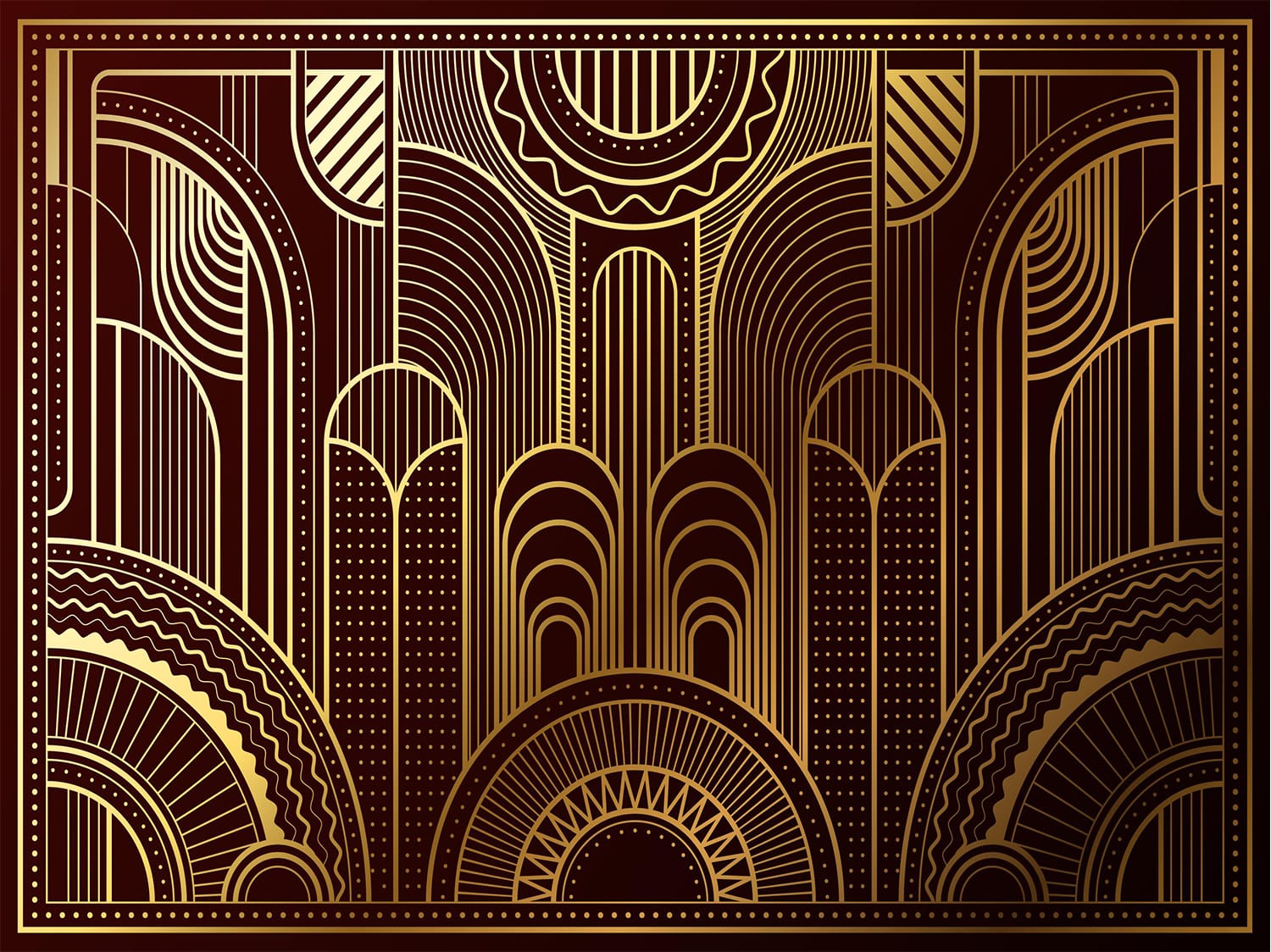
Art Deco: Glamour and the 1920s
Art·10 min read

Art Deco: Glamour and the 1920s

Art Deco, born in the 1920s, blends geometric precision, luxury materials, and bold colors to celebrate modernity, speed, and glamour. Its sleek lines and vibrant motifs shaped architecture, fashion, and design—leaving a lasting legacy in visual culture.

Wall Art Ideas: Styles, Materials, and Tips for Choosing
Design·10 min read

Wall Art Ideas: Styles, Materials, and Tips for Choosing

Wall art transforms spaces through paintings, prints, photography, and sculptures—expressing identity, shaping mood, and complementing design with thoughtful color, scale, and style choices.

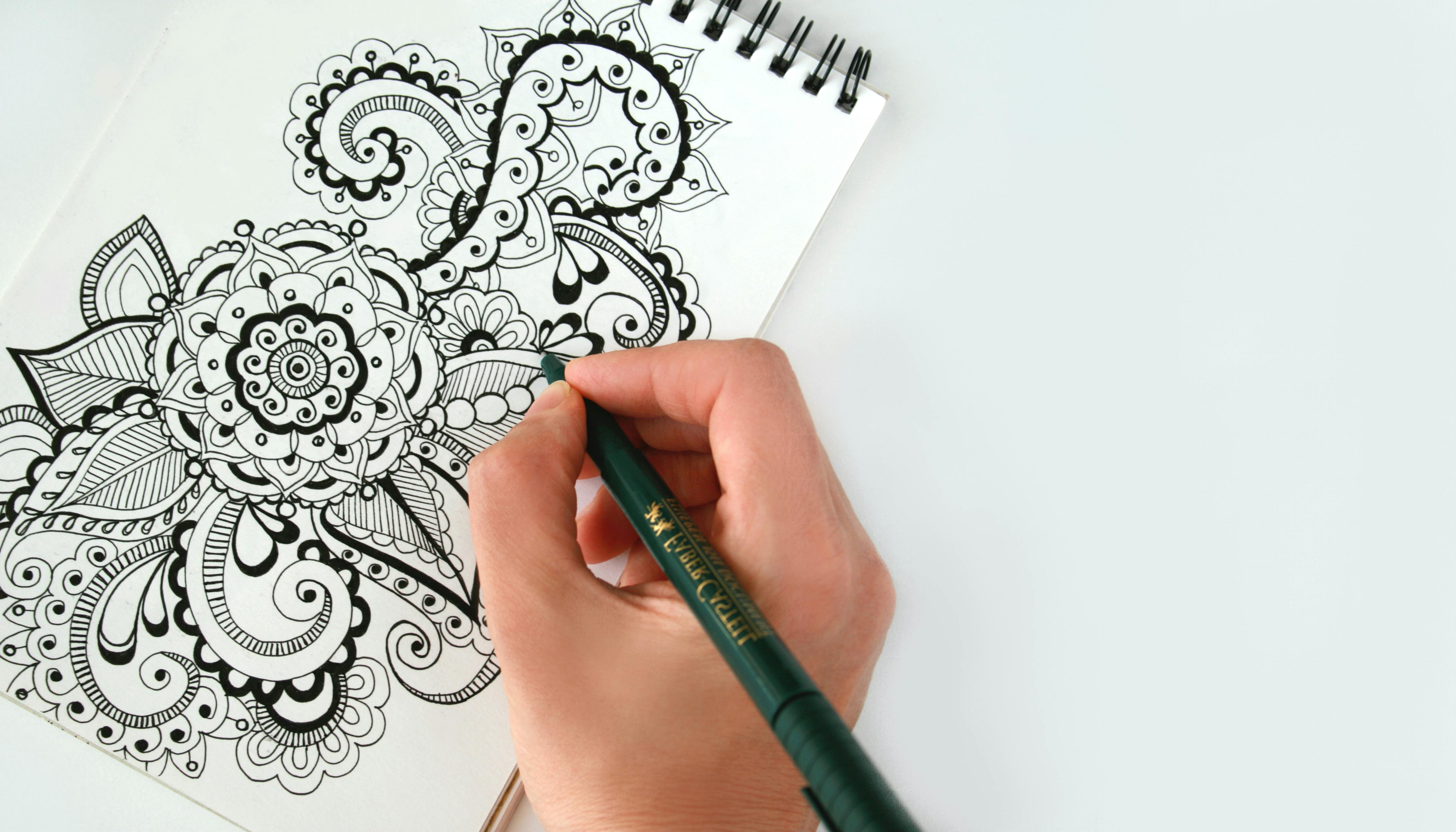
Doodle Art Explained: Styles, History, and How Artists Use It
Art·9 min read

Doodle Art Explained: Styles, History, and How Artists Use It

Doodle art transforms spontaneous sketches into meaningful expression, blending playfulness with purpose through free-flowing lines, patterns, and personal style.

Mandalas: Meaning, History, Types, and Symbol Guide
Design·12 min read

Mandalas: Meaning, History, Types, and Symbol Guide

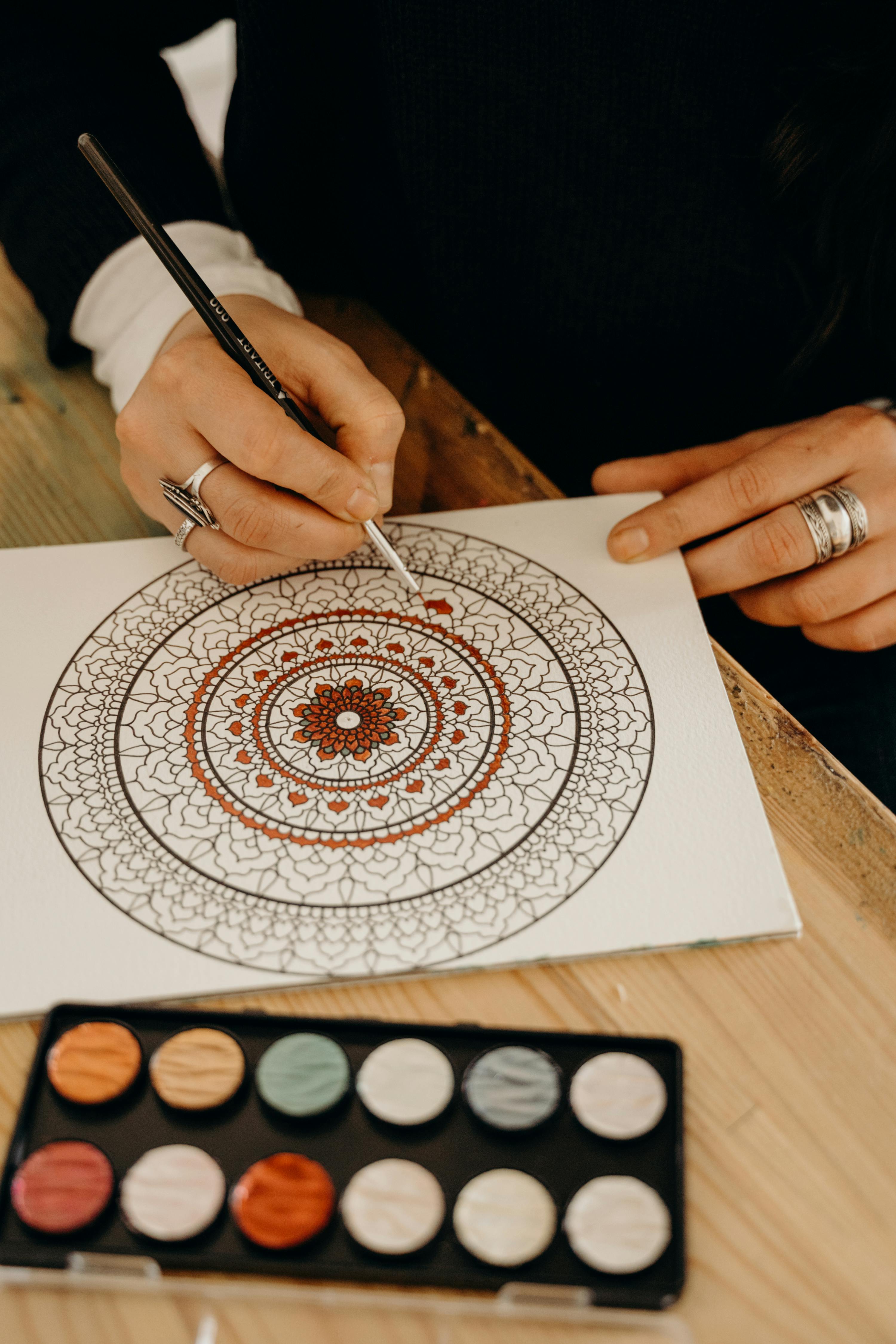
Mandalas, ancient circular designs rooted in Hindu and Buddhist traditions, blend sacred geometry with introspective art. Centered on a Bindu, these symmetrical patterns use color and form to symbolize unity, balance, and the journey inward. From sand mandalas to modern digital art, mandalas serve as tools for meditation, healing, and cultural expression, offering quiet insight through repetition, symmetry, and timeless symbolism.

Pop Art: History, Traits, Artists, and Modern Takes
Art·15 min read

Pop Art: History, Traits, Artists, and Modern Takes

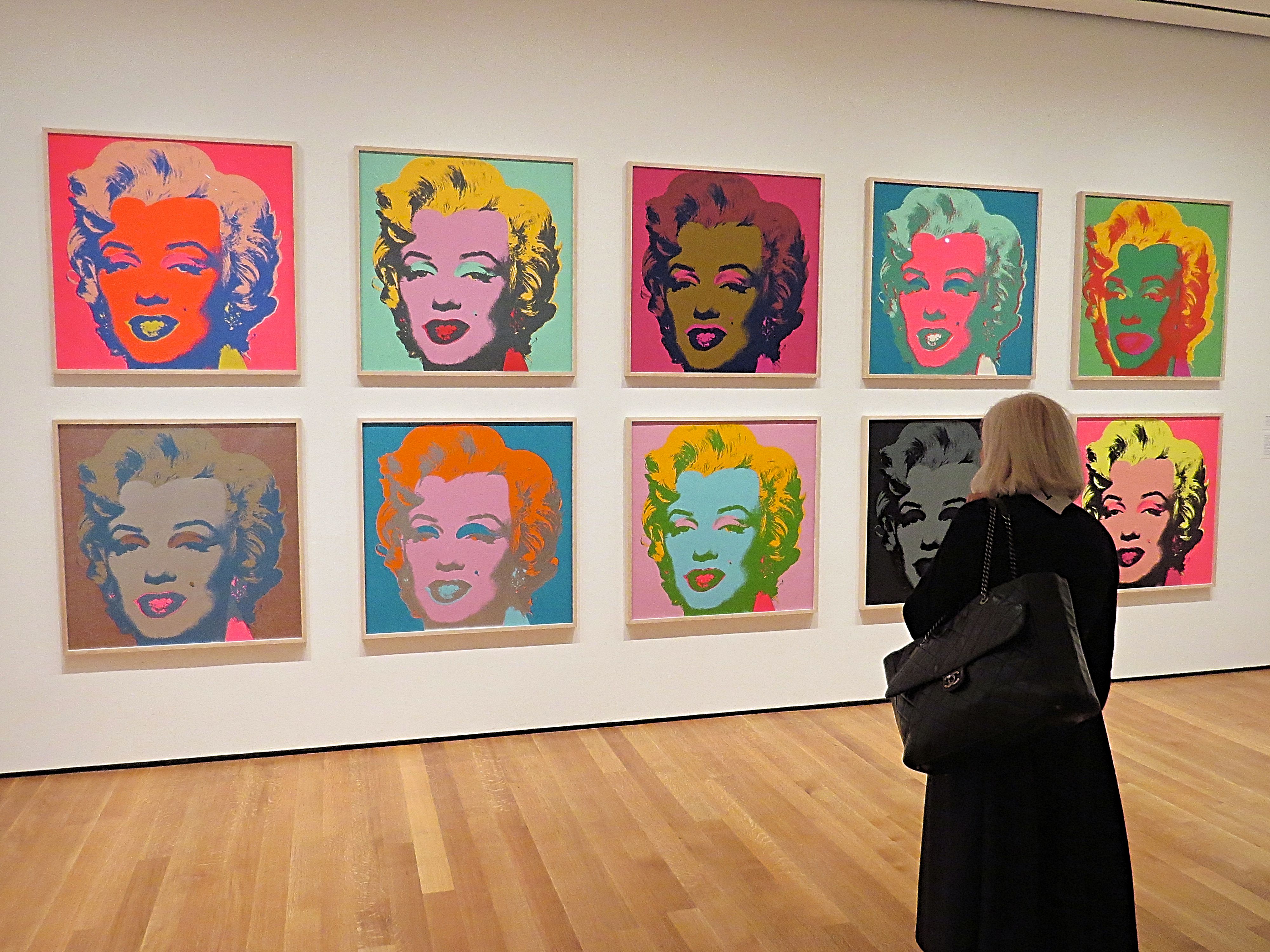
Pop Art turned everyday objects—soup cans, celebrities, ads—into bold, vibrant art. Emerging in the 1950s–60s, it used bright colors, repetition, and irony to challenge traditional art. Pioneered by Warhol, Lichtenstein, and Hamilton, it blurred lines between high and popular culture. Its legacy lives on in modern design and digital art.

How to Critique Art Without Sounding Pretentious
Technique·5 min read

How to Critique Art Without Sounding Pretentious

Engaging with art can feel daunting, yet everyone can share thoughts without expertise. Observing details, using descriptive language, and framing feedback as personal experiences are essential. Curiosity fosters discussion, and balancing one’s observations helps clarity. Regular practice improves confidence and expression, making art more accessible and meaningful to all.

Art Vocabulary: Essential Terms Every Art Lover Should Know
Art·6 min read

Art Vocabulary: Essential Terms Every Art Lover Should Know

Art appreciation can be enhanced by understanding core concepts rather than learning everything. Key elements like medium, composition, line, shape, color, and texture influence perception. Exploring symbols and styles further deepens meaning. Engaging with just a few art terms fosters curiosity, enabling a richer experience in art spaces without pressure.

How to Start Appreciating Art (Even If You “Don’t Get It”)
Inspiration·5 min read

How to Start Appreciating Art (Even If You “Don’t Get It”)

Art can be confusing, especially modern pieces, but understanding isn’t exclusive to experts. Personal experience and gut reactions are valid. Observing closely and asking questions enhances appreciation. Patience and curiosity allow deeper connections. Building a vocabulary helps articulate thoughts. Engaging with art regularly fosters understanding, emphasizing emotions over strict interpretations.

How Art Communicates Emotion Without Words
Technique·8 min read

How Art Communicates Emotion Without Words

Art evokes emotions through colors, lines, shapes, and composition, conveying meaning without words. Warm colors inspire energy, while cool tones suggest calmness. Textures and contrasts influence feelings, and size alters perceptions. Engaging with art involves intuitive responses, allowing personal interpretations to emerge and revealing the silent exchanges between viewer and artwork.

Inside the Artist’s Mind: How the Creative Process Really Works
Technique·6 min read

Inside the Artist’s Mind: How the Creative Process Really Works

Creating art involves choices, practice, and the willingness to make mistakes. Artists often ponder "what if?" to explore ideas, leading to original works. Observing closely reveals details others might miss, and creativity flourishes through trial and error. Artistic thinking can enhance everyday life, promoting curiosity and attention to detail.

What Makes Art “Good”? Understanding Taste, Skill, and Meaning
Art·5 min read

What Makes Art “Good”? Understanding Taste, Skill, and Meaning

Art evaluation involves understanding skill, meaning, and personal taste. Skill reflects an artist's technique and execution, while meaning encompasses the narrative and emotions expressed. Taste is influenced by personal experiences and culture. Good art emerges when skill meets intention, prompting deeper appreciation and connection beyond surface-level judgments.

Modern Art versus Contemporary Art: What sets them apart?
Art·8 min read

Modern Art versus Contemporary Art: What sets them apart?

Modern Art (1860-1970) was shaped by societal upheaval, emphasizing experimentation and personal expression, often breaking with traditional forms. Conversely, Contemporary Art (1970-present) focuses on current issues and diverse mediums, prioritizing concepts over aesthetics. Understanding these distinctions enhances art appreciation, revealing broader themes in artistic evolution across time.

Popular Art Styles and How To Recognize Them
Technique·7 min read

Popular Art Styles and How To Recognize Them

Recognizing artwork begins by identifying familiar patterns and styles through visual clues, such as color, line, and shape. This process fosters confidence and understanding. The piece emphasizes observation over memorization, guiding viewers through various art movements like Realism, Impressionism, and others, encouraging deeper engagement with art’s essence beyond labels.

Mastering Art Descriptions: A 4-Step Guide
Technique·7 min read

Mastering Art Descriptions: A 4-Step Guide

The content discusses overcoming the fear of expressing thoughts about art through a structured, four-step framework. It emphasizes observing details, reflecting on feelings, and allowing interpretations to develop naturally. By focusing on clarity and simplicity, anyone can become confident in discussing art, transforming initial hesitation into meaningful expression.

Why Art Matters in Society, History, and the Brain
Art·8 min read

Why Art Matters in Society, History, and the Brain

Art transcends mere decoration, functioning as a vital tool for survival and understanding. It expresses emotions, challenges societal norms, documents histories, and fosters empathy. Throughout time, art reflects cultural shifts and resonates deeply, linking individual experiences to broader themes. In a fast-paced world, it encourages reflection, reminding us of our shared humanity.

The Essential Art Toolkit: Mastering Visual Elements
Technique·11 min read

The Essential Art Toolkit: Mastering Visual Elements

The post explains that misunderstanding art often stems from uncertainty about how to engage with it. It introduces key art elements-line, shape, form, color, value, texture, and space-that artists use intentionally. By examining these elements, viewers can deepen their appreciation and understanding of art, transforming their perspective on visual experiences.

The Evolution of Art Styles: From Realism to Contemporary
Art·11 min read

The Evolution of Art Styles: From Realism to Contemporary

The evolution of art movements reflects societal changes, influenced by politics, technology, and artistic techniques. Each style, from Realism to contemporary art, reveals shifts in focus, expression, and form. Understanding these movements fosters appreciation, enabling viewers to connect with artworks that mirror the complexities of their time and emotions.

How to Look at Art for Beginners: Understanding Any Artwork
Technique·6 min read

How to Look at Art for Beginners: Understanding Any Artwork

Art appreciation involves a personal, slow engagement rather than quick judgments. By taking time to observe, describe visual elements, and feel emotional responses, individuals can uncover deeper meanings. Context enhances understanding but isn’t essential. The key is to keep looking, notice details, and allow interpretations to remain open-ended.