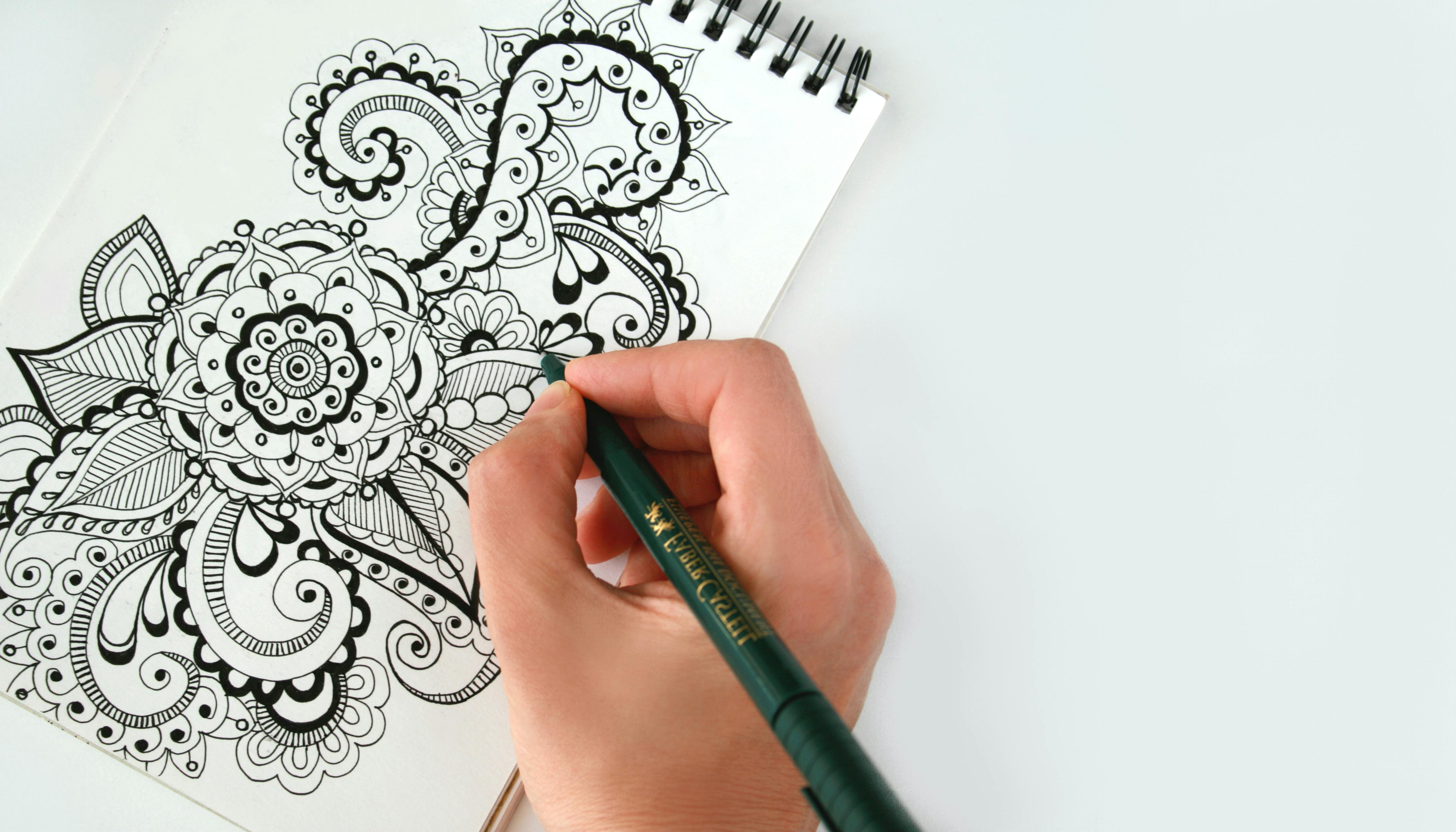
Those quick sketches people make without thinking? They’re more than just idle marks on paper. Turns out, they carry real voice, raw energy, sometimes clearer than polished work. Look back far enough - scribbles lived in old book corners long before museums gave them space. Now they show up everywhere: posters, screens, galleries, even ads. Not by accident. Each line bends with intent, builds rhythm, finds shape where none seemed possible. What seems random holds method when you slow down to see it.
What exactly is doodle art? It started long ago, quietly making its way through notebooks and margins. Over time, it grew into something people began taking seriously. Some styles became widely recognized, each with their own flavor. Artists often begin sketching without plan, yet find meaning later. Not every mark means to become art, but some do. This piece looks closely at how scribbles turn into statements. Curiosity drives many toward these loose drawings. Designers sometimes rely on them too. Even those just passing by might notice their charm. The practice shifts between play and purpose. Lines wander, then settle into shape. Here’s a closer view of that journey.

Image Source: Wall and Wall
Defining the Doodle
A form of drawing that seems casual might actually hold more meaning than people assume. Look past the idea of random lines to see its real nature.
Something scribbled on paper might just be idle drawing at first. Yet when those lines start taking shape by choice, it shifts into something deliberate. A person may begin without thinking, maybe while listening to someone speak. Over time, random strokes get shaped with purpose. What was once absentminded now holds form. That transition - from thoughtless mark-making to guided creation - is where the act turns into its own kind of expression.
Doodle art is characterized by:
Free-flowing lines and shapes
Repetition and pattern-building
Organic or playful imagery
A sense of spontaneity and personal expression
Starting with a blank page, doodle art leans on imagination rather than strict form. Instead of copying reality, it follows where thoughts wander. While precision matters little, the act itself opens paths. Through loose lines, ideas take shape without rules holding them back.
The Story Behind Doodle Art
Markings made just for fun go way back - further than most realize. Scratches on rocks, walls, or tools show people always jotted down odd little images. Back in medieval times, those copying books by hand filled blank edges with quirky sketches. Some were silly. Others strange. Many simply there to pass time. From the start, scribbles showed how minds wander yet stay locked in. A quiet sketch often holds both daydreams and sharp attention at once.

A medieval manuscript margin ("marginalia") containing a funny/strange sketch
Masterpieces in the Margins
A stray mark on a page might seem small, yet history shows it holds weight. Look at da Vinci’s notes - jotted shapes, loose lines, ideas caught mid-flight. Those messy corners? They mirror what we now call doodles. Then came Klee, whose playful strokes danced like scribbles with purpose. Miró followed, turning odd little signs into something deliberate, almost dreamlike. What some dismiss as idle drawing others shaped into quiet revolutions.
The Modern Rise
A splash of ink once seen as idle now stands tall. By the 1990s, stray marks found their way onto walls, screens, and museum corners. Illustrators took messy lines seriously. Street creators turned notebooks into cityscapes. Digital tools gave scribbles new life. Artists stretched quick sketches into bold public pieces. What was casual became deliberate. Simplicity wore confidence. Galleries welcomed what used to be background noise. Intent reshaped randomness.
Key Characteristics of the Craft
Doodle art stands out because of its loose lines, often drawn without lifting the pen. What makes it unique? A sense that it's unplanned, almost like thinking on paper. Not meant to be perfect - mistakes stay, loops overlap, shapes grow wild. It skips careful planning, favoring quick marks that build into something playful. Lines twist freely, figures appear mid-thought, details sprout unexpectedly. This kind of drawing feels alive, breathing through spontaneity rather than rules.
Impulse Drawing: Out of nowhere, marks appear on paper, shaped by impulse instead of intention. Lines wander freely, guided more by gut feeling than rules. Where one stroke leads, the next follows without hesitation.
Pattern and Texture: Start again with a single mark, then another just like it. One after the next, they form lines that breathe together. These marks grow into clusters, humming across the surface. Rhythm appears without warning. Texture builds where shapes meet. The eye moves easily, pulled by quiet consistency. Symbols repeat, not perfectly, yet still feel connected. Order forms quietly, through small returns.
Visual Storytelling: A shape might repeat simply because it feels right. Sometimes a little figure appears again, not by plan but habit. Lines twist into something that tells a quiet story. Decoration drifts in even when meaning seems absent.
Density: Every corner packed tight. A tangle of lines grows across the page, drawn so thick it pulls your eye in. Layer after layer builds up without warning. Shapes overlap like thoughts piling on top of one another. You find new details each time you look again.
Recognized Styles of Doodle Art
Out there among sketches, you’ll spot all sorts of doodle looks. These happen to be the ones showing up most these days.
1. Abstract Scribbles
Starting with a single line, abstract doodle art builds through loops and curves without aiming to depict real-world objects. Motion shows up in zigzags that twist into spirals, overlapping again and again. Rhythm appears when repeated marks form clusters across the page. Shapes grow out of nowhere - some sharp, others soft - each filling space like sound fills silence.
2. Characters and Creatures
A doodle might take shape as a grinning cat wearing socks. Sometimes it's just eyes peeking from a scribble. A twist of lines forms a story without words. These drawings breathe quirks straight from the mind. Odd little beings appear, not planned but felt. Expression runs wild in twisted limbs and lopsided smiles.
3. Zen Doodling (Meditative Patterns)
Starting with tiny shapes, some drawings grow into tight sequences that repeat without hurry. Not random at all, they follow quiet rules step by step. One line leads to another, building balance slowly across the page. People often draw them while breathing deep or pausing between thoughts. The rhythm feels steady, almost like counting steps under trees.
4. Narrative/Scenario
A single line might begin a forest, then twist into a story. These drawings grow - figure follows figure without planning. One shape leads to another, building worlds by accident. Moments take form when scribbles start talking.
The Artist's Toolset
What makes doodle art stand out? It’s open to everyone. Training doesn’t matter. Pencil on paper, anytime. That freedom pulls people in. No gatekeeping here. Just ideas flowing. Simple tools, big reach. A sketch can start anywhere.
Common Tools:
Pens and markers
Fine liners
Pencils and sketchbooks
Digital tablets and styluses
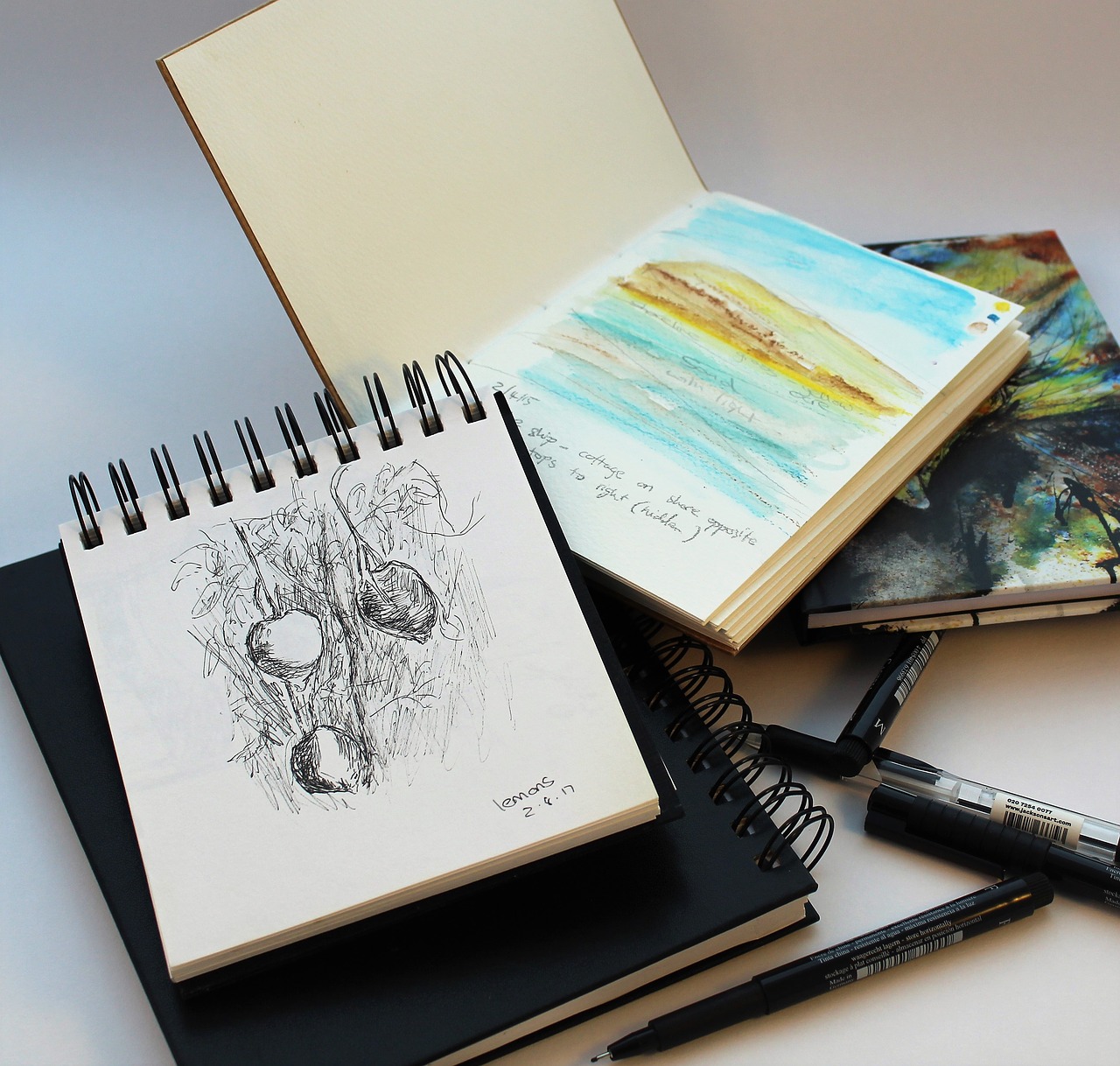
A Sketchbook, Source Needpix
Why Doodling Matters: Beyond the Page
Sometimes scribbles do more than become pictures. Doodles slip into thinking, shaping ideas before they’re fully formed. A rough sketch might lead somewhere important. These small marks often work behind the scenes. Ideas grow around them quietly. They aren’t meant to impress. Their strength hides in looseness, in not trying too hard. Mistakes fit easily here. Thoughts move faster when structure fades. The hand wanders, yet finds direction. Creation gets messy first. Clarity comes later.
Boosting Creativity and Focus
Starting with a pen moving freely on paper often sparks new directions. Some creators find that loose sketches open paths they did not expect. Lines without purpose can shift into something meaningful later. A blank page feels less intimidating when filled with random marks. Thoughts flow easier when hands stay busy without pressure. Surprising concepts sometimes appear through what looks like idle drawing. Pictures drawn during meetings might actually sharpen attention. One reason could be how steady hand movements keep the mind active when learning new things.
Emotional Expression
Bursts of scribbles might show feelings without words. These messy lines, sometimes wild or soft, quietly mirror what's inside. Images appear, unplanned, hinting at joy, anger, or calm. A hidden mood slips through, line by shaky line.
Doodle Art in Modern Design
Now showing in galleries, doodle art grabs attention like never before. Out of notebooks and onto gallery walls, these sketches stretch into big installations. Street creators use freeform lines on tall brick sides; ads use it on product wraps to feel "real" and "friendly." On social media, "process videos" of lines forming into images draw millions in.
Finding Your Personal Style
Style shows up quietly, not by force. Fingers learn shapes long before minds name them. A rhythm builds when hands move the same way again, then again.
Key factors to look for in your work:
Consistent motifs or symbols
Line quality that stands out
Personal themes or narratives
Experimentation with scale and color
Final Thoughts
Turns out, those little drawings people make without thinking carry real weight. Not just idle marks on paper - they've shifted how we see creative expression over time. A closer look shows they’re tied to moments of insight, quiet rebellion, even rhythm in chaos. Some artists lean into randomness, others shape it with intent. Lines twist, loop, break - each move says something different. These scribbles live between thought and gesture. They resist neat labels yet fit everywhere - journals, margins, city walls. What seems accidental often holds clarity beneath. Time has only widened their role, pulling them from notebooks into conversations about meaning. So maybe the simplest mark speaks loudest when no one’s really trying.
One line at a time, doodle art shifts what we expect from creativity - acting as thought aid, personal mark, or complete piece. It starts not with grand plans but small marks that grow into something seen differently each time.