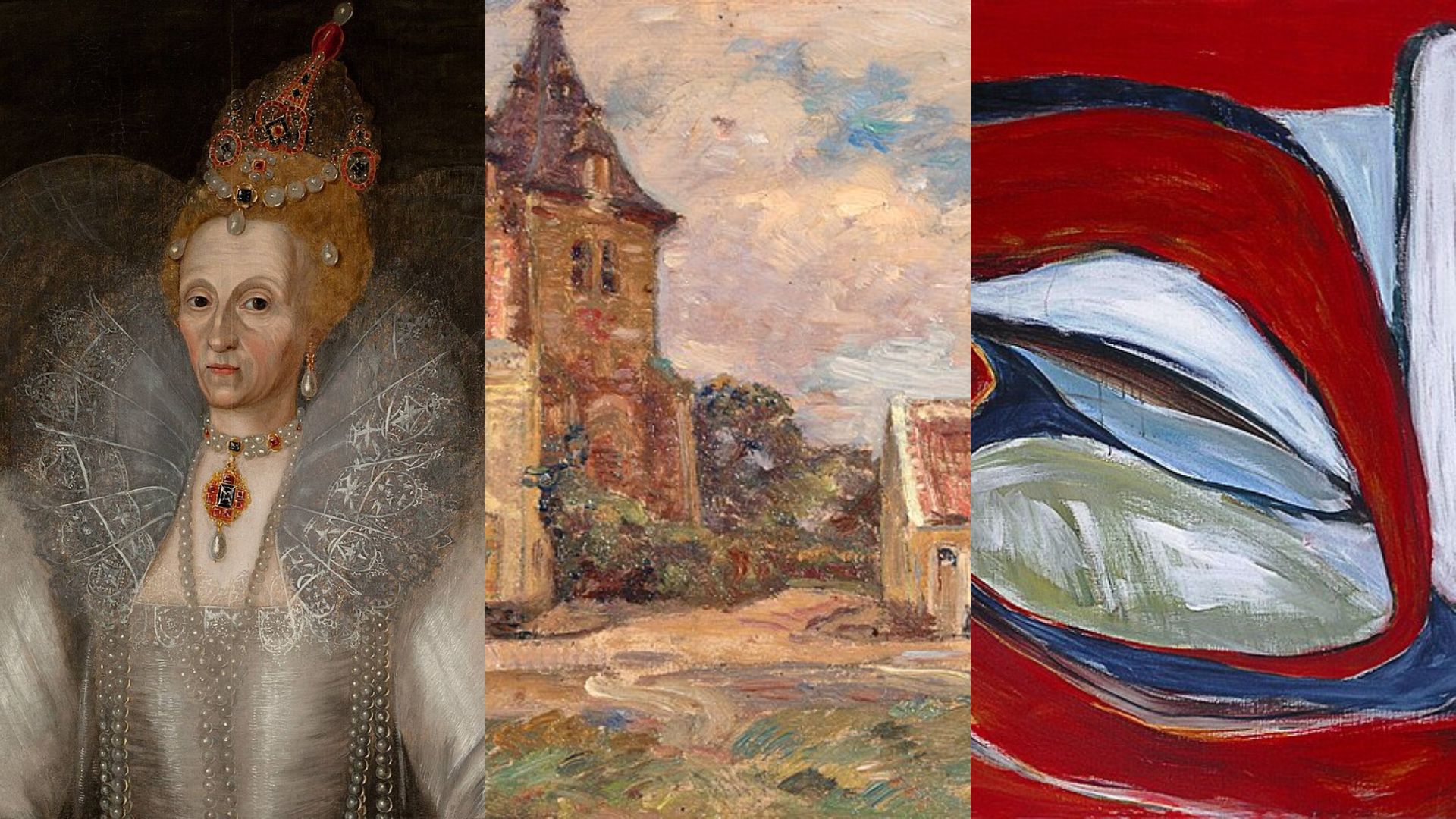
Finding your footing near artwork often begins by spotting familiar patterns. A sudden clarity hits when names match what eyes already sensed. Styles reveal themselves through small clues - brushwork, color choices, shapes that repeat. Seeing these links builds quiet confidence. Recognition works like a key turning in a lock. Moments after, another piece feels less strange. Labels help, yet noticing matters more than terms. Each new connection pulls uncertainty away.
It is not about remembering years, labels, or who made what. What matters are the visible clues - how shapes behave, colors clash or blend, whether things look real or twisted on purpose. Spotting these gives a feel for each style without needing facts at hand. The more you notice them, the less confusing it gets. Recognition grows quietly through looking, not studying.
Picture this: a look at everyday art forms, spelled out clear. Spotting each one? That becomes easier here. What stands out in every stroke gets explained without fuss. See the details that give each style its face. No guesswork needed when differences show up plain. Ways to tell them apart come into focus slowly. Every form has its own rhythm, once you know where to look.
The 4 Questions to Ask First

Photo by Gianna P1 on Pexels.com
What makes a painting feel different? Try asking yourself these four things first:
Color: What colors show up most? Are they loud or quiet?
Line: How do the lines behave? Do they shout or whisper?
Shape: Are they sharp like glass or soft like fog?
Detail: Is everything clear or lost in blur?
These clues help point to one unique way of making art. Not every piece answers all questions the same. That is part of what gives it character.
Real talk:
How close to real does it feel?
Does it seem full of feeling or held back?
What matters most: how it looks, how it feels, or what it means?
Could this be seen as old-fashioned, new ideas, or current style?
Most times, what you say leads straight to one way of doing things - maybe even cuts the options close.
Realism
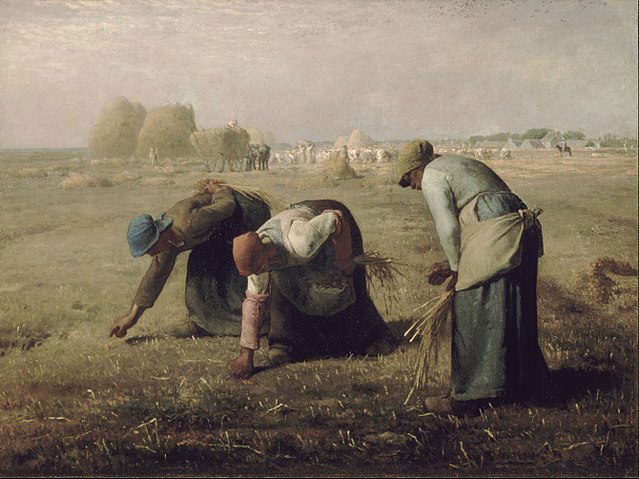
"The Gleaners" by Jean-François Millet
How to Identify It
Highly detailed and accurate
Everyday people or scenes
Natural lighting and proportions
Just a touch of stretch, maybe some blur around the edges
Feet on the floor, noticing things as they are. Watching closely without adding extra thoughts. Being real about what's happening right now.
The Vibe: When the mood seems like a quiet observation of real life, that is probably Realism. A stillness, unembellished moments - these often point to Realism too.
Impressionism
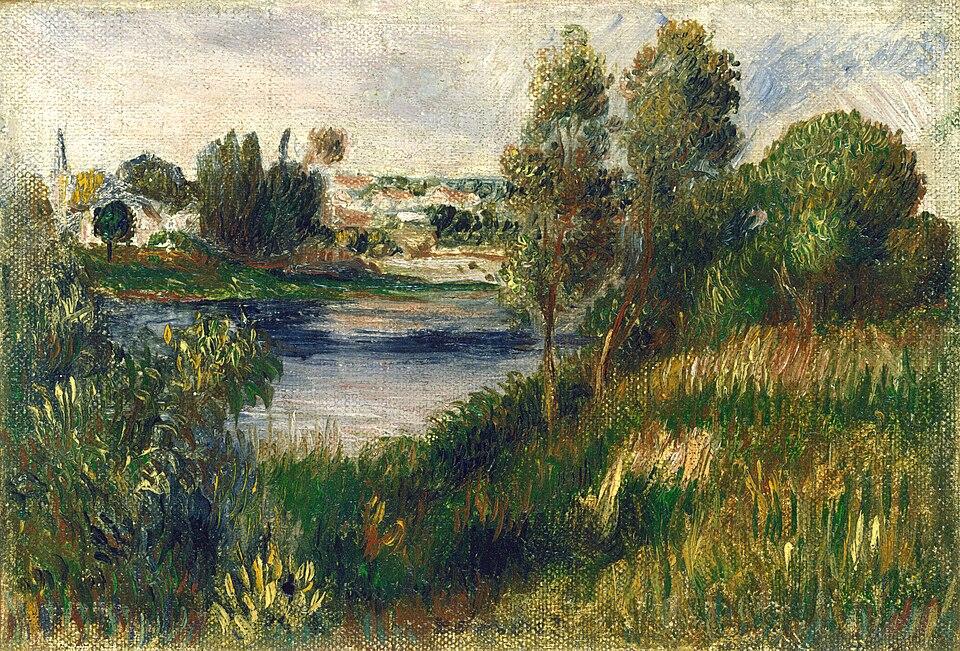
Auguste Renoir, Landscape at Vétheuil, c. 1890
How to Identify It
Loose, visible brushstrokes
Bright, natural light
Outdoor or social scenes
Waves blur where things meet. Motion slips through gentle curves
A whisper of air brushes past. Moments drift like mist. The atmosphere carries a gentle weightlessness.
The Vibe: When shapes get fuzzy yet brightness and feeling take charge, that’s likely Impressionism showing through.
Post-Impressionism
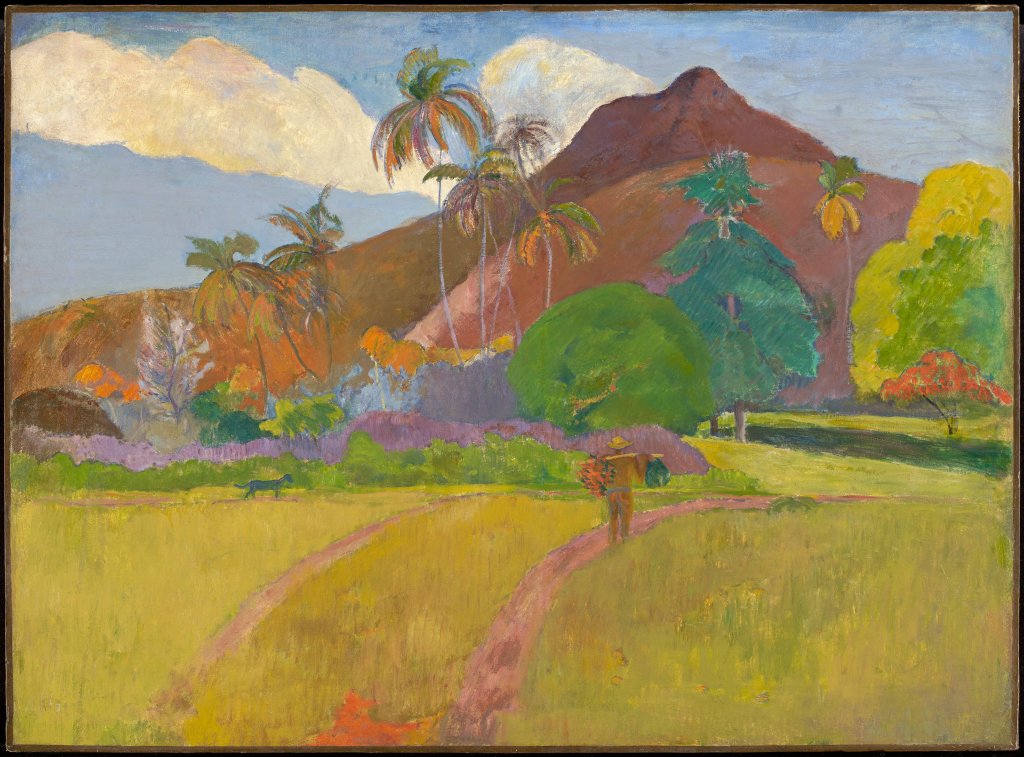
Tahitian Landscape (1891) by Paul Gauguin.
How to Identify It
Bold or unnatural colors
Strong outlines or shapes
Emotional or symbolic emphasis
A different kind of order shaped it more than loose brushwork ever could
Expressive. Intentional. That is how it comes across.
The Vibe: If the image feels personal or heightened, it may be Post-Impressionist.
Expressionism
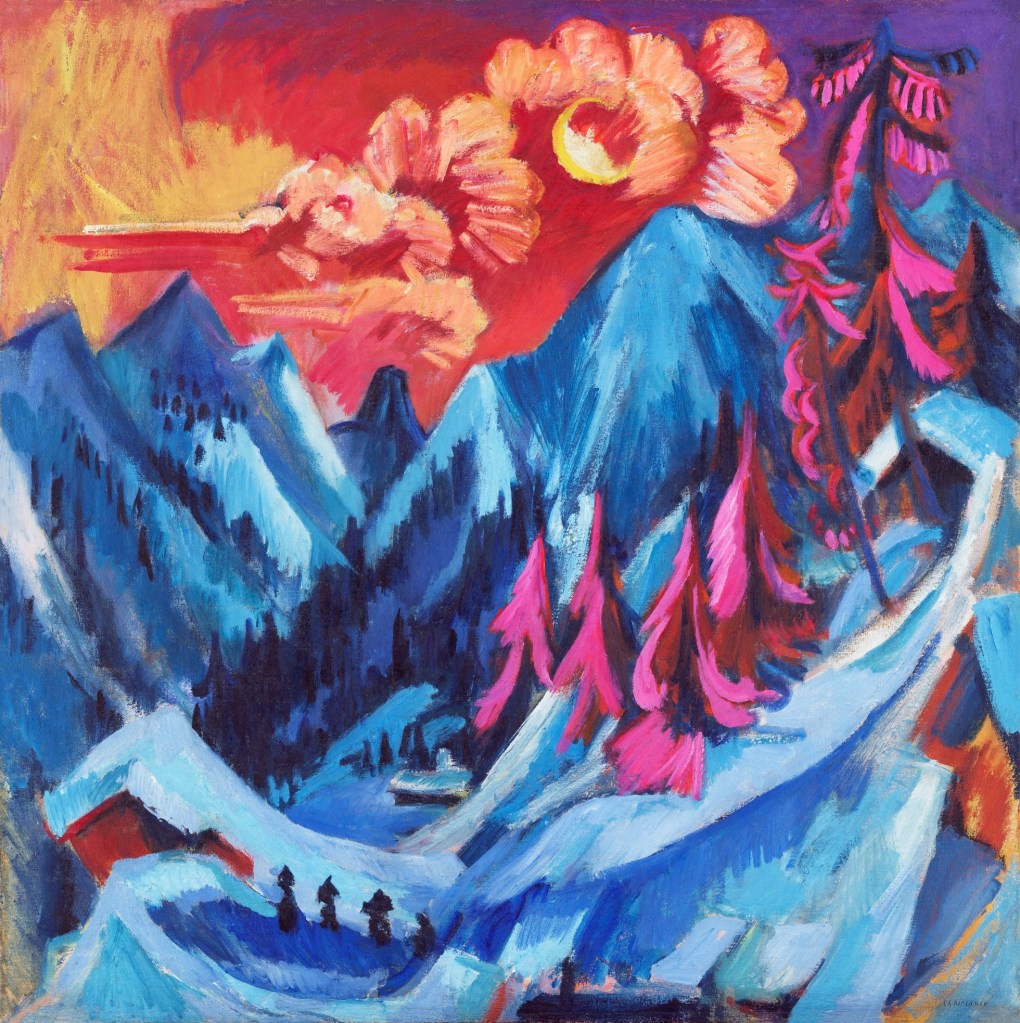
Winter Landscape in Moonlight (1919) painting by Ernst Ludwig Kirchner. Original from The Detroit Institute of Arts.
How to Identify It
Distorted figures or spaces
Intense or clashing colors
Emotional tension
Raw or aggressive mark-making
What It Feels Like: Uncomfortable, urgent, emotional.
The Vibe: When a piece carries emotional weight, it might just be Expressionism at play.
Cubism
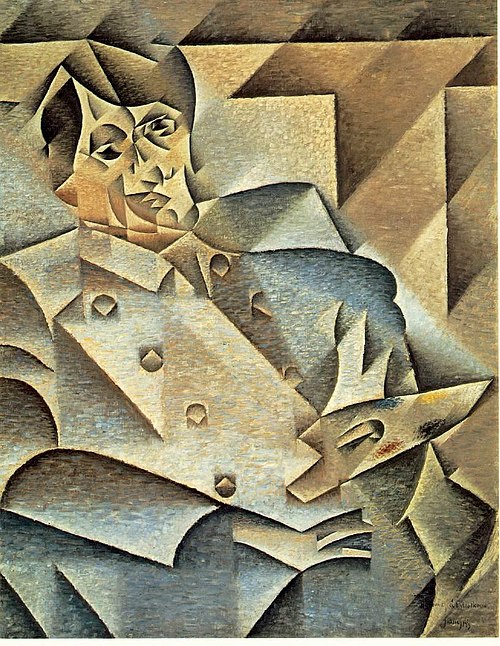
Juan Gris - Portrait of Picasso
How to Identify It
Objects broken into geometric shapes
Multiple viewpoints at once
Flattened space
Muted or limited color palette
Frozen thoughts split the mind apart. Sharp edges cut through calm. Puzzles without pictures. Pieces refuse to fit together. Quiet chaos hums beneath questions.
The Vibe: Broken pieces put back together? That shape might be Cubism. A jumble of angles fitted anew - could belong to a work by Picasso’s crew. When parts seem taken apart then stuck back oddly, think early 1900s art rebellion. Not smooth, not whole, but somehow standing - that often means Cubist roots.
Surrealism

Salvador Dalí's The Persistence of Memory (1931)
How to Identify It
Dreamlike or illogical scenes
Unexpected combinations
Realistic technique used unrealistically
Symbolic imagery
Odd sensations creep in. Unsettling, yet familiar echoes hum beneath awareness. Quiet signals slip through unnoticed. A whisper lingers just out of reach.
The Vibe: When something moves like a dream, guided by hidden rules, that is likely Surrealism.
Abstract Art
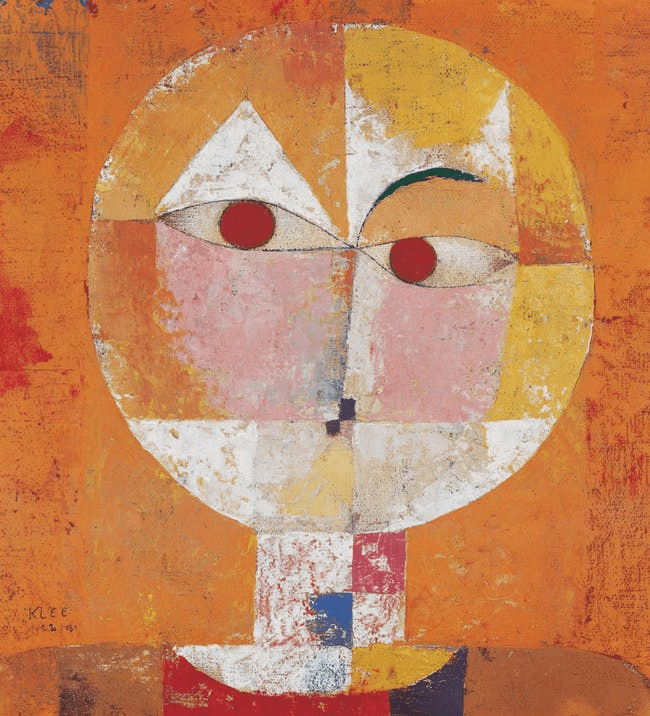
What makes it hard to spot? The topic never settles on one thing.
Focus on color, shape, line, or form
Emotional or visual emphasis
Non-representational imagery
Open-ended thoughts flow like sketches on paper. Expressive moments show up in colors, not words. Visual ideas stretch beyond the edges of a single frame.
The Vibe: When visuals connect to form ideas instead of showing things plainly, that idea becomes a shape without edges.
Minimalism
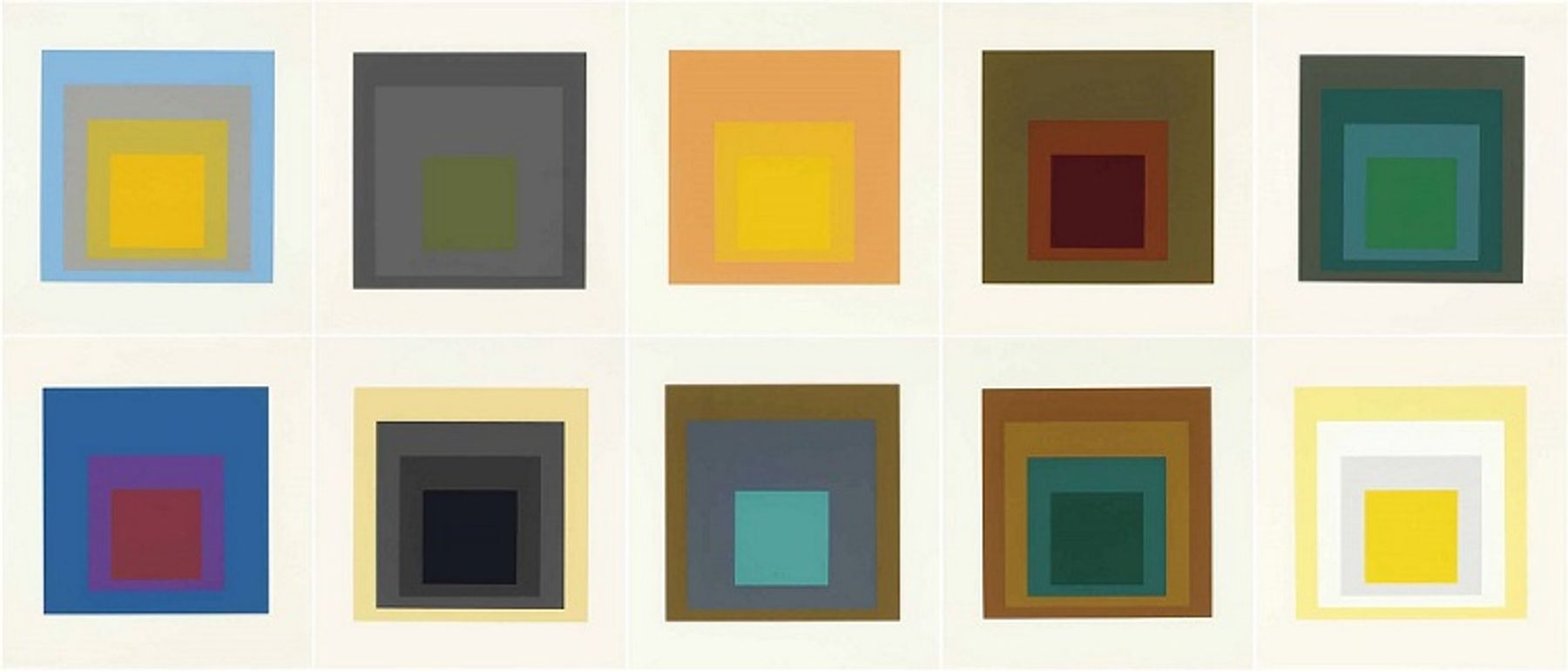
Josef Albers – Homage to the Square series (1950–1976). Image Courtesy of Graves International Art.
How to Identify It
Extremely simple forms
Limited colors
Repetition
Clean, uncluttered compositions
Stillness wraps around you. A sense of direction settles in slowly. Movement happens with purpose, not rush.
The Vibe: When the piece looks stripped down on purpose, it probably leans toward Minimalism.
Conceptual Art
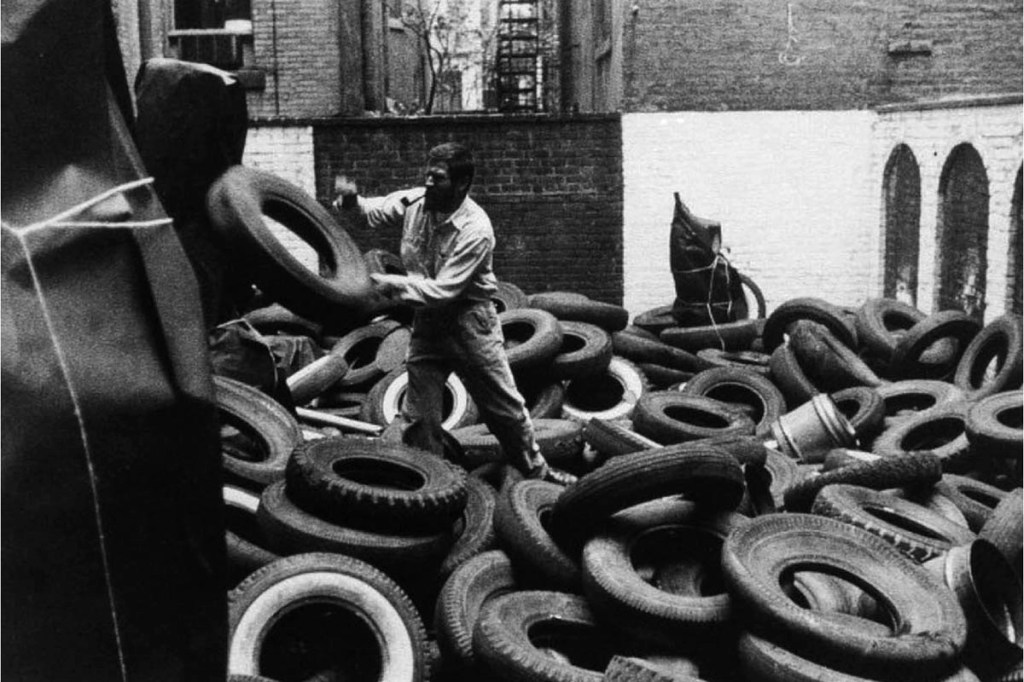
Allan Kaprow, Yard, 1961
Spotting it? Focus on what it does, not how it looks. What matters most sits underneath the surface. Think about its purpose before anything else. A look can fool you. Meaning runs deeper than skin. Judge by function, never just finish.
May include text, instructions, or documentation
Ordinary objects used intentionally
Wondering sometimes about the nature of art
Thoughtful, stirring thoughts that challenge. A mind at work, pushing beyond what seems clear.
The Vibe: Staring at a blank canvas? Your mind might already be doing the work. What seems like nothing could be everything here. Thought takes shape where eyes see little. This art asks questions before giving answers. Wondering changes how you watch. The idea becomes the object, sometimes replacing it. Looking hard means thinking harder. Meaning hides in plain sight, waiting.
Contemporary Art
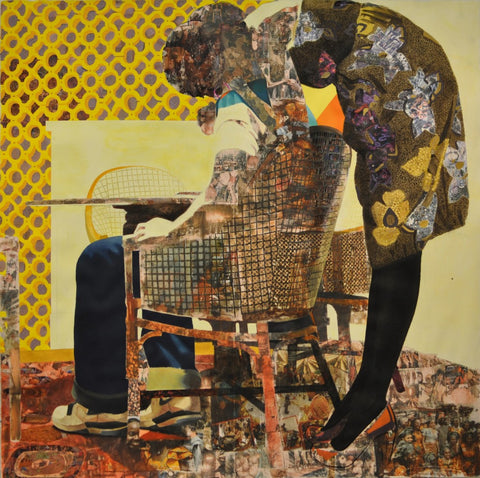
Textured Photo Collage by Nigerian-born artist, Akunyili Crosby
How to Identify It
Made recently (roughly from the 1970s onward)
Mix of styles and media
Social, political, or identity-based themes
Installations, video, performance, digital art
A feeling alive right now, shifting constantly. Different sounds blend without rules. Labels do not stick here. Hard to pin down, always moving.
The Vibe: A single way? Not how today's art works. Instead, think sprawling territory, full of different paths people take.
When It Resists a Label
Some pieces of art live outside clear categories. They mix ways of making art on purpose - or refuse to be sorted at all.
That’s normal.
Call it something else if you like:
“This combines elements of…”
“It feels influenced by…”
“It resists easy categorization”
Noticing when images share similarities shows how well someone can interpret what they see. Visual understanding grows stronger through spotting these repeated patterns.
Mistakes aren’t the end. Calling a style wrong can teach you more than getting it right. Perfection? Not needed here.
What matters most? Getting every name right isn’t it. Instead, think about understanding what things really are:
Notice patterns
Ask better questions
Build confidence looking at art
Your vision gets sharper the longer you wait. Eventually, seeing clearly just happens without trying.
How you paint isn’t a test of skill - it’s a way to look deeper. Picking a style is like choosing glasses, not proving worth. Art feels quieter when you recognize familiar patterns. Instead of wondering if your thoughts matter, you wonder what the piece aims to say. Questions shift once you’re used to looking closely.
This is where things start getting curious in art.