Maybe you think drawing or painting comes naturally only to certain folks. Yet making art isn’t magic—it’s built on choices and trial, because mistakes lead somewhere. What looks like instinct usually follows practice done quietly behind the scenes.
Peering into an artist's mind opens up new ways to see their work, while quietly offering methods to spark your own creative thinking. What happens inside their head can echo in how you tackle making something original.
1. The Power of "What If?"

Photo by Bade Saba on Pexels.com
"What if?" That is where paintings start. Questions come first—always. A brush moves because someone wondered. Not knowing leads to marks on canvas. Why not try? Such thoughts open doors. Wonder sits at the beginning of making:
How might things turn out by mixing these shades together?
How can I express this feeling visually?
Which tale feels worth sharing right now?
What catches an artist's eye often escapes everyone else. It is how light bends around edges, or the way fabric folds when still. Small things gain weight because they pay attention differently. Movements, patterns, contrasts—they collect without announcing it.
Try this: When you glance outside, pause a moment. Ask yourself what you’re really seeing. Notice details that usually pass by unseen. A fresh view might just show up when you least expect it.
What catches my attention?
What feels unusual or interesting?
2. Trial, Error, and the Messy Middle

Photo by Antoni Shkraba Studio on Pexels.com
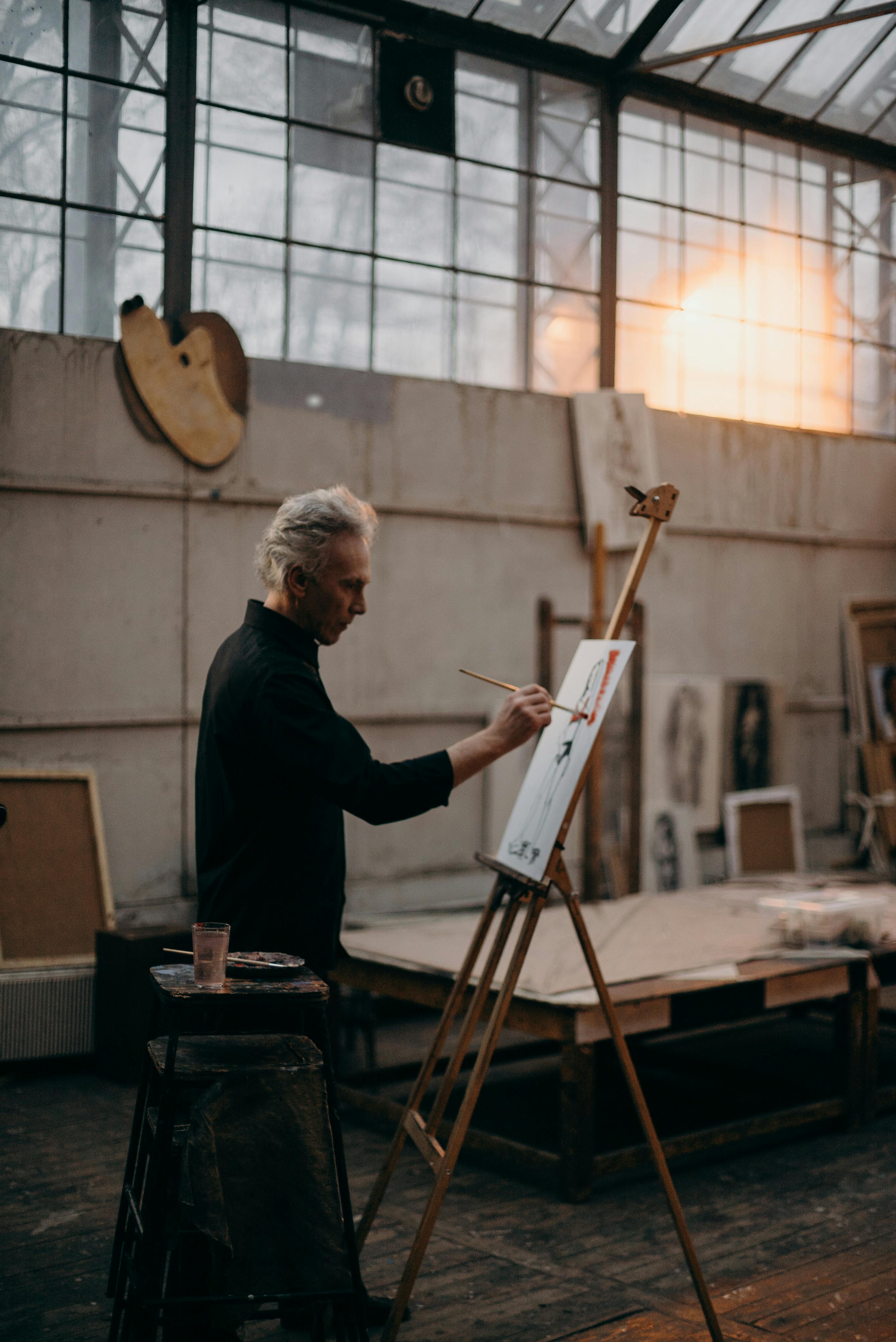
Most artists do not get it right at once. They test ideas, make mistakes, and learn from them. That trial and error shapes their work. Success often comes after many attempts.
They mix materials, techniques, and styles.
Mistakes happen; learning follows close behind.
Fiddling with roughs, they tweak until things fit just right.
A single stroke could lead a painter down new paths—mixing how layers build, shifting hues until something settles. Shapes begin loose for sculptors, molded in soft clay or bent through thin wire, long before hard stone takes its form.
Creativity isn’t just waiting for sparks. It grows through doing, touching, and trying. While people think ideas come first, often they form during messy attempts. Working things out with your hands changes what you’re thinking. What begins vague becomes clear only after moving materials around. Thought and motion feed each other.
3. Seeing vs. Looking

Photo by Bala on Pexels.com
Watch closely. Most people look without really seeing. Artists learn to do more than that. What stands out? Small details others ignore catch their eye:
Shapes, lines, and patterns.
How light interacts with surfaces.
Emotion and expression in people or scenes.
A shadow where light bends. The way colors change at dusk. Their gaze lingers on edges, shapes, and the gaps between objects. Routine fades when attention sharpens. Ordinary turns strange under steady observation. Seeing becomes a kind of listening.
Start here: Choose something ordinary. Spend five full minutes just looking at it. What does the outline look like up close? Feel free to wonder about the surface—rough, smooth, cold. Colors might surprise you when you pay attention.
4. The Geometry of Choice
Picking up a brush might mean facing blank space head-on. Each color choice opens another path forward. A line drawn too thick could shift the whole idea. Mistakes often lead somewhere unplanned yet clear. Holding back sometimes says more than pushing through.
The artist constantly asks:
How to make this composition balanced?
How to convey a feeling without using words?
What kind of materials or methods could make this happen?
Progress comes through adjusting what exists. Inspiration matters less than effort. What counts most is shaping work until it feels right. Not magic—just steady changes.
5. The Importance of Distance

Photo by cottonbro studio on Pexels.com
Painters often move away from the canvas just to see it better. Distance helps them notice what’s off and what’s working. They pause, look again. A fresh glance reveals things close-up never could. Seeing needs space sometimes.
What’s working?
What isn’t?
Is that really saying what I meant?
Quick Tip: Fresh air helps. Step away for a bit, then come back later. A pause like that often shows what was missing before.
6. Play and the "Anti-Rule"

Photo by Munis Asadov on Pexels.com
Start anywhere. That urge to mess around? It fuels new ideas. Creators tend to wander off-script. Curiosity leads them sideways.
Experiment without expectations.
Combine unrelated ideas.
Make fearless choices.
Fear shrinks when play steps in, opening space where questions grow instead of doubts. Curiosity finds room to move without tight rules breathing down its neck. Ideas appear quietly, the kind that never show up when rushed or watched too close. Most times, real creativity shows up where rules relax. Perfection often blocks the way.
7. Communication Without Words
Art becomes a way to pass along feelings, thoughts, or how someone sees the world. What drives creators is often the urge to share meaning through their work.
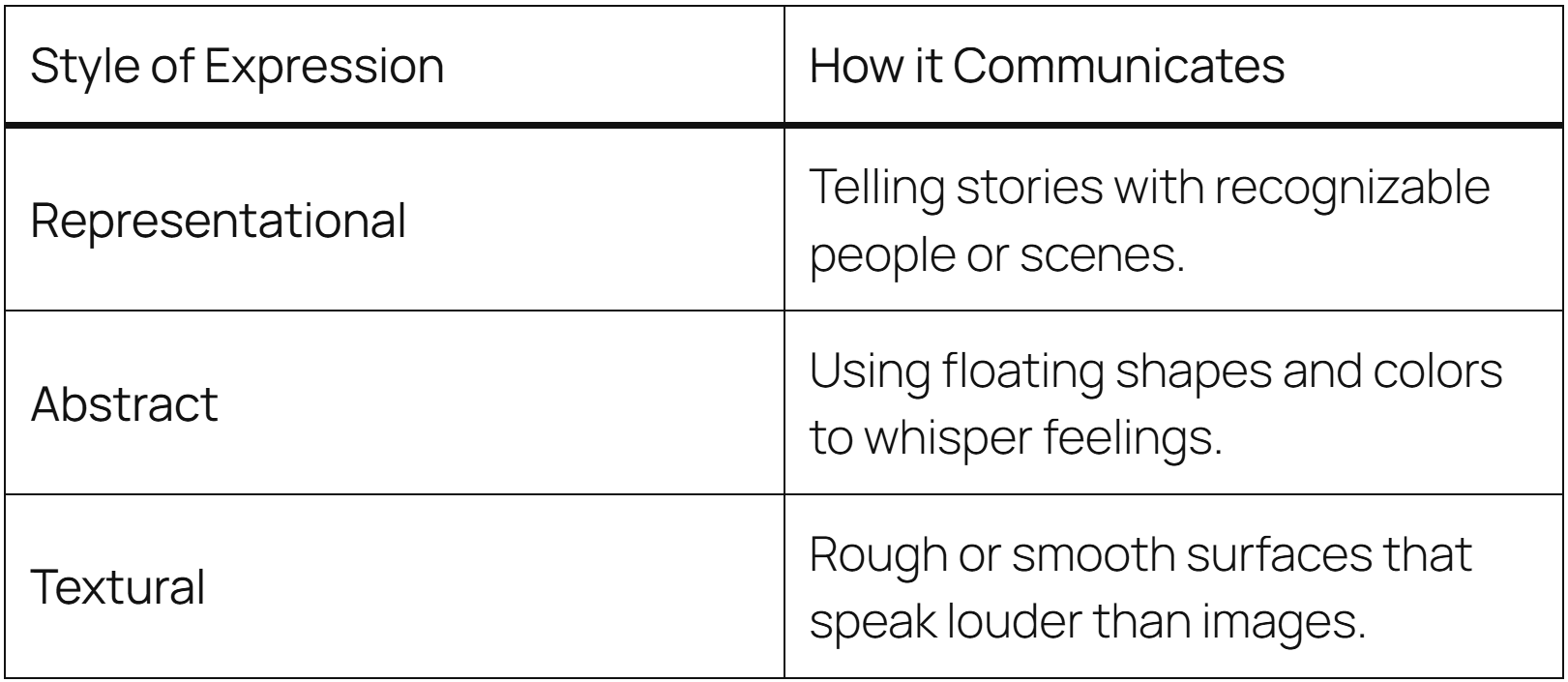
Finding meaning on your own might be what certain artworks quietly ask of you. A silent exchange takes place when someone looks at a piece. Meaning grows where creation meets observation.
The Artist’s Toolkit for Daily Life
Thinking like an artist means staying open, alert, and willing to try. You can apply these steps to anything you do:
Look close: Notice patterns and small stuff others miss.
Figure it out piece by piece: See decisions as challenges you can untangle slowly.
Take a breath: Look at how far you’ve come.
Dive into play: Mistakes slip in easily when you're trying things out.
Think about your message: Figure out the point you aim to express.

Photo by G Y on Pexels.com
A fresh look at art shows it is less about natural skill, more about how creators think. Once you get how it works, there's a chance to engage more meaningfully with the world around you. Suddenly, seeing things through an artist's eyes doesn't seem so far away.