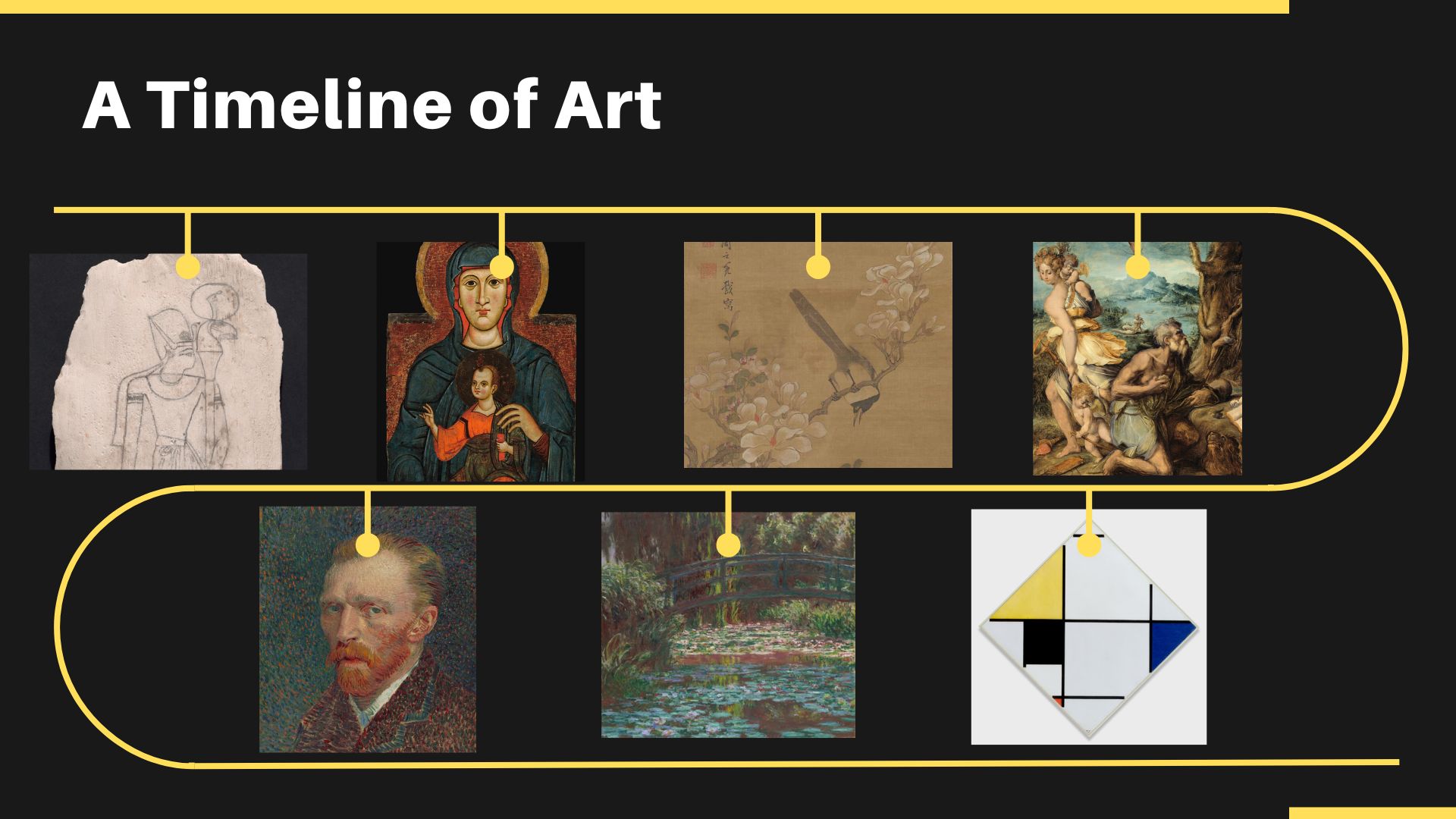
Ever wonder why one era painted everything softly while another went wild with color? That shift did not happen by chance. Politics stirred things up. Machines changed what artists could make. Old ideas got questioned when new ones arrived. Each canvas carried whispers of its time - wars, hopes, inventions. A quiet rebellion often hid behind bold brushstrokes. What looked like chaos usually had roots deep in change. Painters rarely worked alone - they pushed against what came earlier. Surprise lurked inside every so-called revolution. Nothing appeared out of thin air.
Focusing on big art movements means less remembering dates. Seeing how creators interpret life shapes real awareness. Patterns show up when vision meets expression.
Starting off, this guide breaks down major art movements - one by one - using everyday language. Picture Realism right up to today's latest forms, explained without jargon. Each approach gets unpacked: its core traits come first, then the reasons behind its rise follow close behind. Seeing these styles in museums or books? Spotting them becomes easier once their clues are known. The whole thing stays grounded, never drifting into theory thickets.
How to spot a style
Every artist picks a way to show their vision. That choice shapes what we call an art style. A group of creators might follow similar paths without planning to. Some paint with bold lines, others blur every edge. Color choices often link one piece to another. Brushwork can feel jagged or smooth across many works. Shapes repeat in surprising places. These patterns form something recognizable over time. Distance between pieces fades when they echo each other. Recognition builds slowly through repeated details.
What ties them together isn’t always named:
Subject matter
Technique
Use of color and form
Attitude toward realism or abstraction
Underlying ideas or philosophies
What shapes one era can twist into something else entirely. People behind the work rarely match labels perfectly - still, categories help make sense of what we see.
Realism (Mid–19th Century)
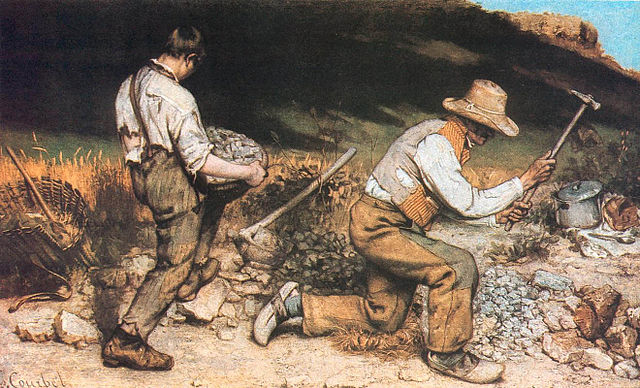
Gustave Courbet’s "The Stone Breakers"
Above all, realism shows regular folks just living their lives. Life looks messy sometimes, yet that is exactly how they portray it. Not everything gets polished up for the viewer. Instead of dreaming big, these scenes stay close to what most people recognize. Things unfold without exaggerated drama. What you see tends to reflect familiar routines. Hard truths appear alongside quiet moments. No magic touches are added to improve the image.
Key Characteristics
Accurate, detailed representation
Everyday subjects (workers, domestic scenes, landscapes)
Neutral or subdued color palettes
Focus on social reality
Out of frustration grew realism, rejecting the polished tales of romance and classroom traditions. Truth mattered more than prettiness to these painters. Instead of legends dressed up nice, they chose real life, rough edges included.
Look closely. A piece might belong to Realism if it feels ordinary, quiet, showing life without drama. Notice how it avoids shine or exaggeration. Instead of fantasy, it leans toward what’s seen every day. Think stillness, detail, honesty. The mood stays close to real moments, like a snapshot taken without staging. You’re not meant to feel dazzled - just aware.
Think: “This could have happened exactly like this.”
Impressionism (Late 1800s)
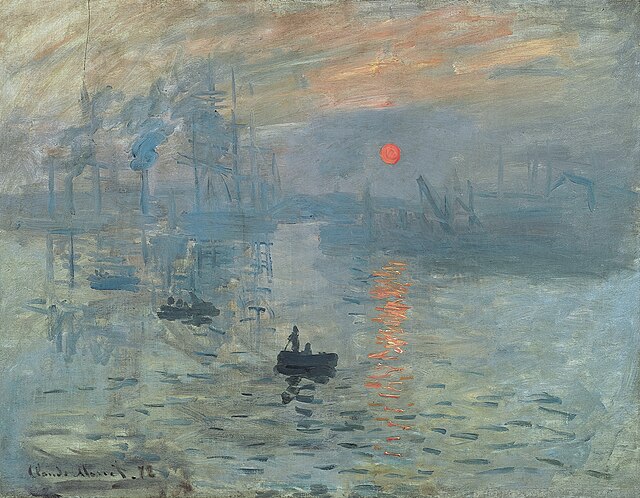
Claude Monet’s "Impression, Sunrise"
A sudden glance at a scene, that is what Impressionism holds onto. Light shifts, air changes, things in motion - it favors these over sharp lines. Details blur on purpose. What stays is how something felt, not just how it looked. A moment passes, yet the painting remembers its breath.
Key Characteristics
Visible brushstrokes
Bright, natural light
Outdoor scenes
Everyday leisure and city life
Fresh city rhythms pushed painters outside studios. New kinds of paint made it easier to work in public spaces. Because tools changed, so did subjects - everyday moments took center stage. Tools shaped vision just as much as vision shaped tools.
Things might look a bit out of shape, like they’re moving too fast to catch clearly. Shapes lose sharp edges, almost smudged by motion. Vision feels off, not quite solid. Details run together, as though glimpsed from the corner of your eye. Focus slips without warning. What you see wavers, never settling into place.
Think: “This feels like a moment, not a record.”
Post-Impressionism (Late 1800s)
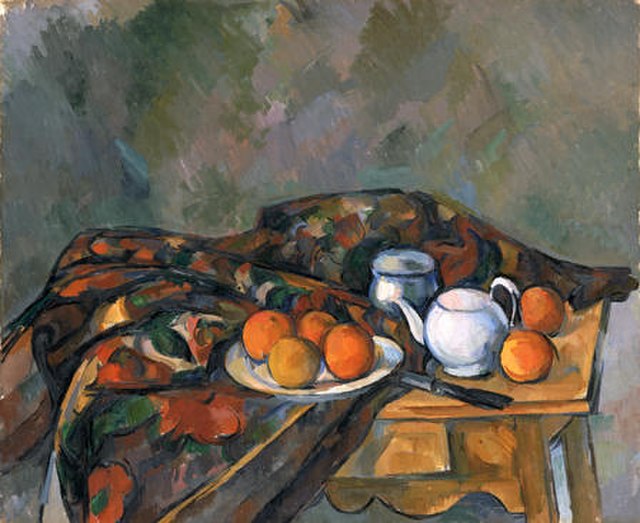
Paul Cézanne's "Still Life With Teapot"
Starting fresh from where Impressionism left off, Post-Impressionism shifts focus - less about fleeting light, more about form. Structure becomes a backbone. Emotion takes hold in bold colors and lines. Symbolism sneaks into everyday scenes. Instead of just showing what's seen, artists dig deeper. Meaning rises through shape and hue. This path bends away from snapshots of nature toward inner visions. Paintings grow heavier with thought. Each brushstroke carries weight beyond appearance. Not copying the world, they reshape it.
Key Characteristics
Bold or unnatural color
Distorted forms
Personal expression
Strong composition
Out of a need for deeper feeling, painters stepped beyond Impressionism. Emotion drove them toward something more intimate. Personal truth became central. What began was art that mirrored inner life, not just light on water or fleeting moments.
What gives it away? The picture shows feeling more than just what's seen.
Think: “This shows how the artist felt, not just what they saw.”
Expressionism (Early 1900s)
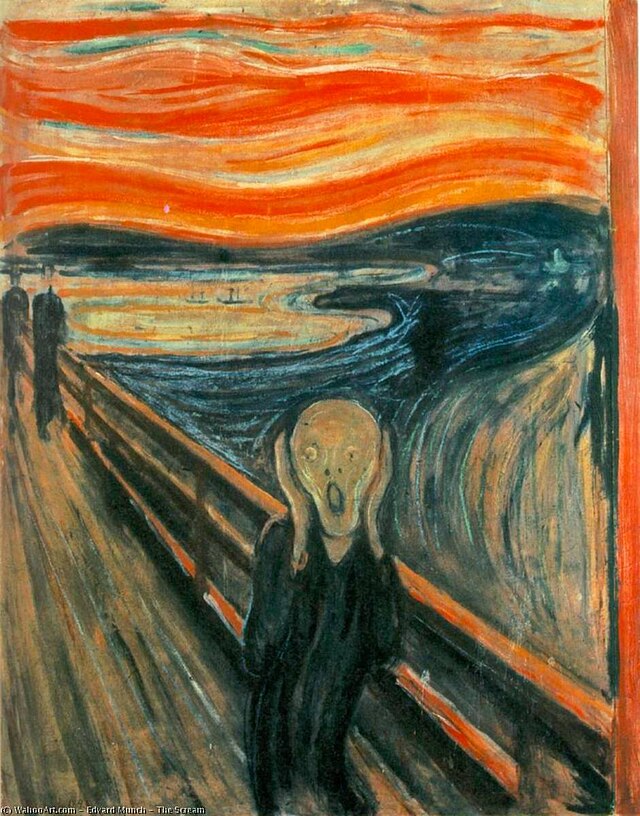
Felt first, seen second - that's how emotion rules form here. Instead of copying what eyes catch, inner storms shape the scene. Color bends not to match reality but to scream mood louder than life allows.
Key Characteristics
Bent forms twist through the scene. Shapes stretch into odd positions. Figures appear stretched out of place. Lines pull objects sideways across space
Bold, often harsh colors
Visible emotional tension
Psychological themes
Fueled by chaos - factories rising, battles raging, lives upended - creators looked deep inside. Their work pulsed with unease, shaped by what words could not hold.
What gives it away? The piece seems unpolished, maybe even jarring. You might feel uneasy looking at it. Emotion runs high, almost too close for comfort.
Think: “Reality has been bent to express feeling.”
Cubism (Early 1900s)
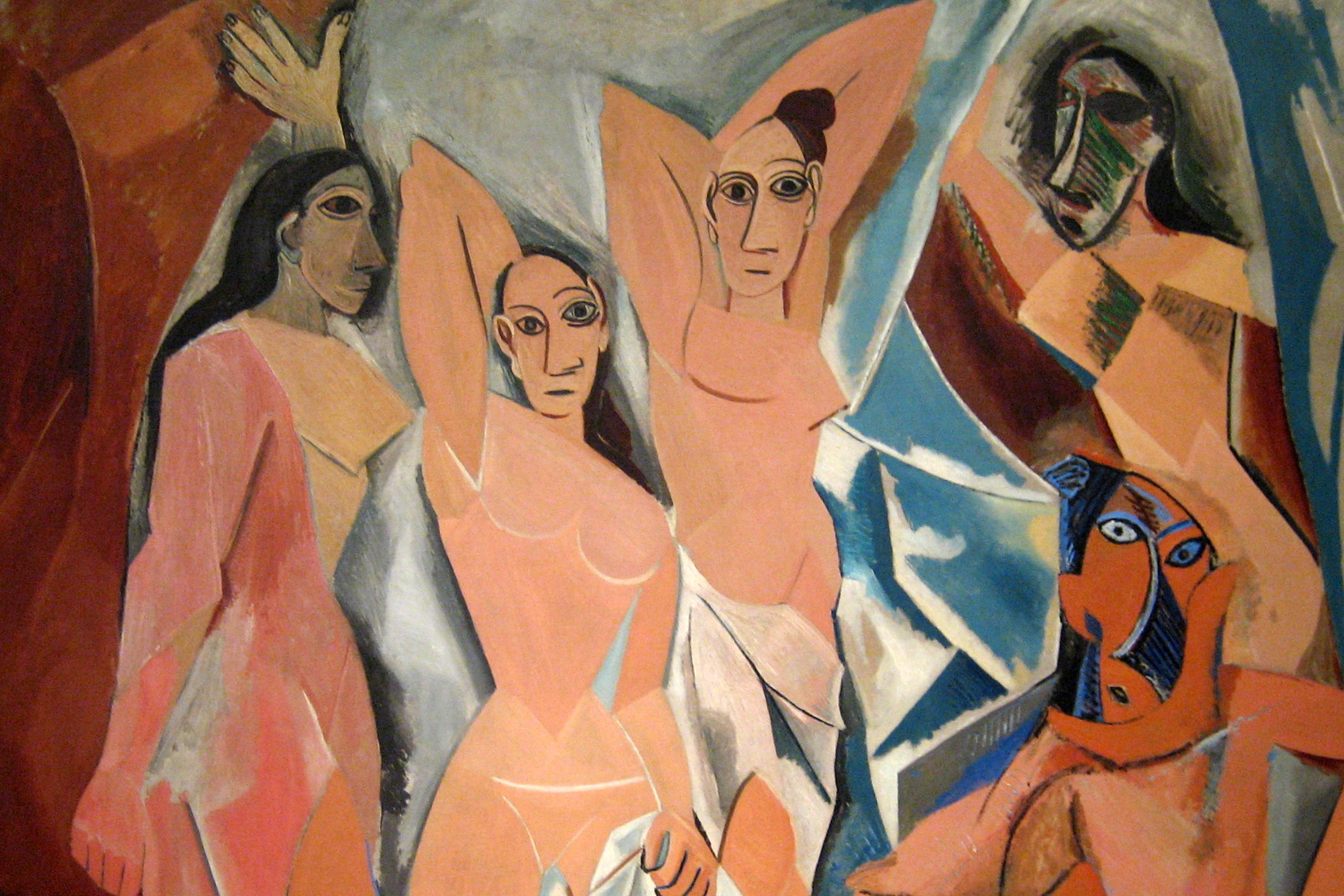
A shape might appear flat, yet show depth from another angle. Pieces fit like a puzzle, though they come apart when looked at closely. One part looks familiar, while the rest shifts unexpectedly. Corners meet where curves should be, creating something odd but clear. Seeing it changes how you see what came before.
Key Characteristics
Fragmented shapes
Limited color palettes (especially early Cubism)
Flattened space
Abstracted subjects
What sparked it? A shift began when artists stopped chasing realistic scenes. Instead of copying what eyes spot, they dug into meaning behind shapes. Seeing became less about surfaces, more about thought. This twist reshaped art’s direction quietly but deep.
Things seem split then stuck back together again.
Think: “I’m seeing this from many angles at once.”
Surrealism (1920s–1940s)

Salvador Dalí’s melting clocks ("The Persistence of Memory")
Floating through hidden corners of thought, surrealism digs into dreams. The mind's quiet undercurrents shape its strange scenes. Irrational pictures rise where logic sleeps. This space thrives on mystery instead of reason. Unseen urges whisper behind odd visions.
Key Characteristics
Dreamlike scenes
Unexpected juxtapositions
Symbolism
Realistic technique used for unreal subjects
Born from psychological ideas. A reaction against strict logic took hold following the Great War.
A dream might show things that fit together neatly, yet could never happen. Impossible situations can seem perfectly normal while they unfold.
Think: “This makes sense emotionally, not logically.”
Abstract Art (From the 1900s)
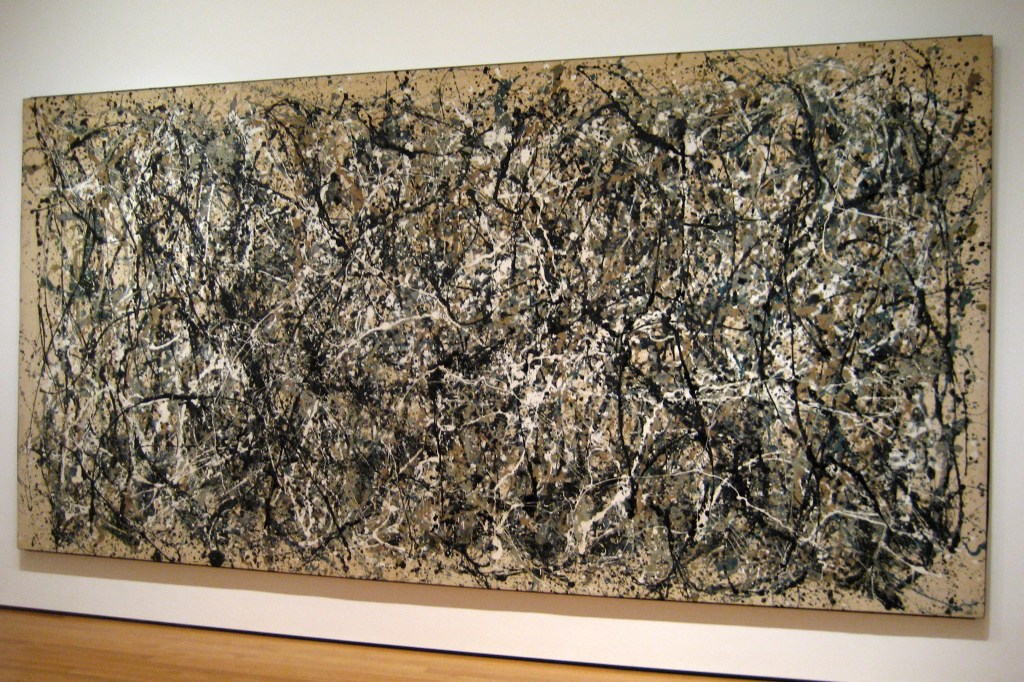
Jackson Pollock's One: Number 31, 1950
A sudden shift happens when art stops showing things we know. Color takes charge here, where shapes grow bold without needing names. Lines stretch across space just because they can. Form matters more than what it might look like. Recognition fades on purpose, leaving behind a world built from pieces that don’t need to mean anything.
Key Characteristics
Non-representational imagery
Emphasis on visual elements
Emotional or conceptual intent
Out of a need to break free, painters stepped away from showing things just as they appear. Expression took new forms when creators began seeing art not as imitation, but as a voice on its own.
Look for it by noticing what stands out without a clear focus - connections between shapes matter more than one main thing. What catches your eye might be how pieces fit, not what they are.
Think: “This is about how it feels and looks, not what it shows.”
Minimalism (Mid to Late 1900s)
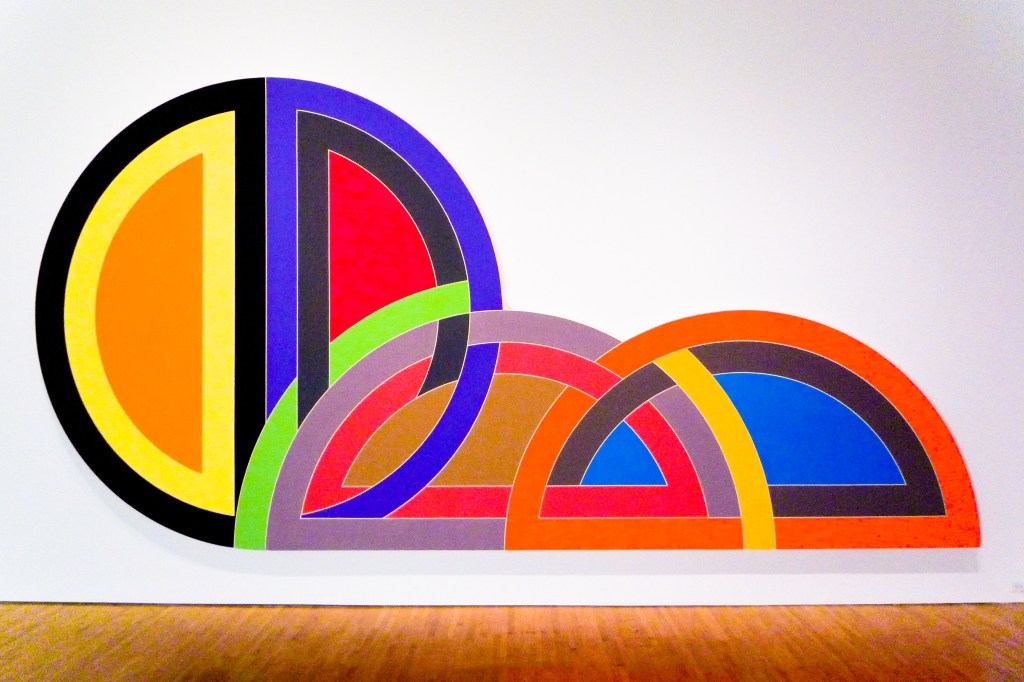
A Frank Stella artwork
Art stripped down - that’s minimalism. Forms become basic, nothing extra. Simple shapes stand alone, clear. Details fade away. The core shows through. Space matters more than clutter. Less appears by removing more.
Key Characteristics
Simple shapes
Limited color
Repetition
Industrial materials
What sparked it? A turn away from the intense feelings and individual flair of previous abstract works. From drama to restraint, artists sought something clearer. Not driven by passion alone anymore. This shift came quietly at first. Emotion took a back seat. Precision stepped forward. Simplicity began to matter more than spectacle. Personal touch gave way to clean lines. The inner storm was replaced by order. Expression softened into structure.
Notice when the piece seems stripped down, calm, yet deliberate. What stands out is how little is there - still, it holds weight.
Think: “Nothing extra has been added.”
Conceptual Art (1960s–Present)
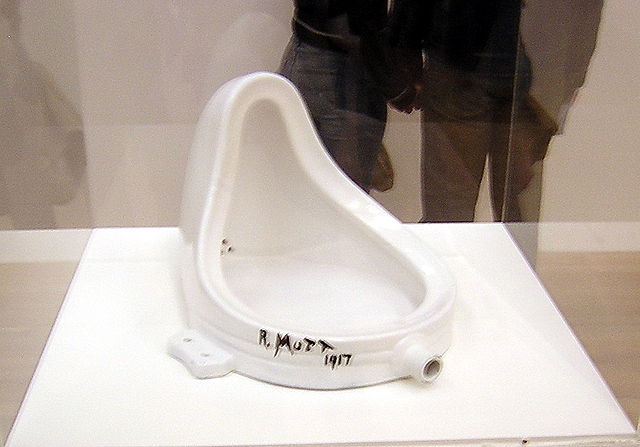
Marcel Duchamp’s "Fountain" (urinal)
A thought comes first, then the artwork follows. The mind shapes it more than hands do. Not what you see matters most - what lies behind does.
Key Characteristics
Text-based works
Instructions or documentation
Everyday objects
Emphasis on meaning
Fueled by curiosity, artists began rethinking the very idea of art. Could something still be art if it lacked traditional craftsmanship? What mattered most: emotion, concept, or appearance? Some pieces leaned on ideas more than execution. A shift grew quietly, challenging old assumptions. Meaning started outweighing technique for some creators.
What you see isn’t always what counts. Appearance fades when purpose steps forward.
Think: “This artwork is asking a question.”
Contemporary Art (1970s–Present)
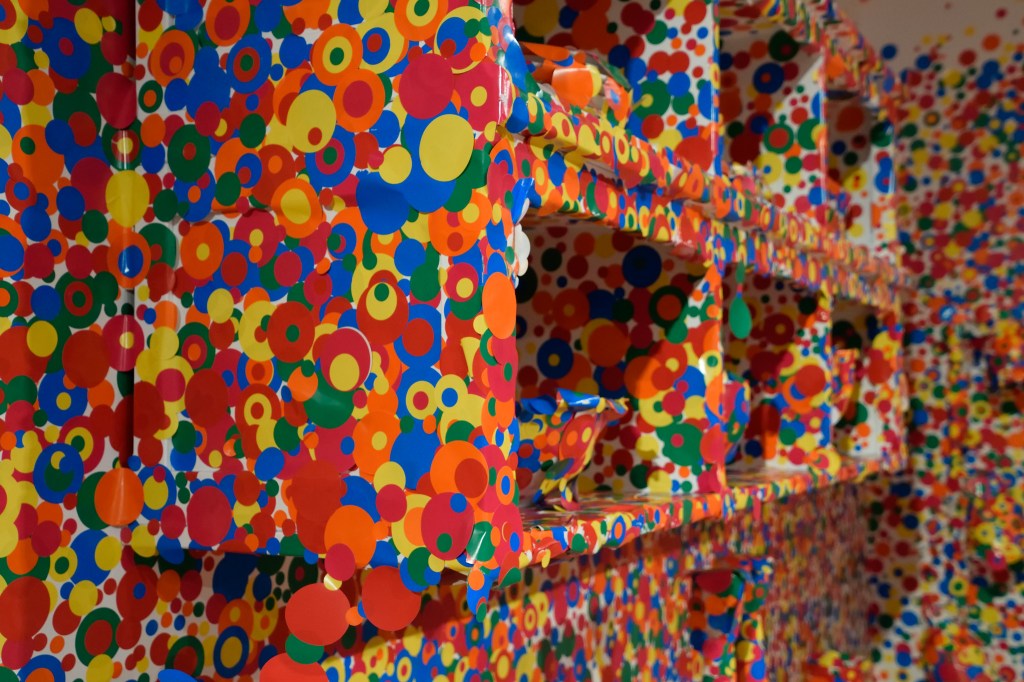
A riot of colour at the interactive part of Yayoi Kusama's exhibit "Infinity Mirrors" at the Art Gallery of Ontario.
Now is when contemporary art happens - recent stuff, not old. This isn’t one way of making things. Many ways live here at once.
Key Characteristics
Mix of styles and mediums
Global perspectives
Life among people, power struggles in government, individual choices shaping daily existence
Technology shows up in how things get built. What happens after setup matters just as much. Results depend on how well everything works together
Out here, art mirrors what's happening now. Identity shows up in brushstrokes and forms. Weather patterns shift, so does the artwork about them. Screens shape lives - and also influence creative choices. Who holds control? Artists ask that too. Culture flows through every piece, remade each time someone paints, builds, or films.
What makes it stand out? Hard to pin down. Fits no clear label.
Think: “This reflects current concerns and voices.”
The Cycle of Rejection and Growth
Art styles? They don’t push each other out. Instead, one bends into the next, reacts, shifts. Each carries traces of what came before, even while moving ahead.
Realism rejected idealization
Impressionism rejected precision
Expressionism rejected restraint
Abstraction rejected representation
Contemporary art rejects strict definitions
Seeing how it moves forward makes art easier to talk about, like a story that unfolds step by step.
Funny thing is, remembering every detail isn’t the point. These ways of making art? They’re not laws, just things you can use when needed.
A single glance can open a door. What matters is looking, not labeling. Pay attention before you decide anything. Even confusion has its place here. Notice shapes before names. Pause longer than usual. See what shows up when you stop rushing. A detail catches the eye eventually. Whether it feels true to life or far from reality. What mood it carries, whether open or held back. Picture it one way, feel it another, think about it differently. Each approach shifts how you see what's there. Slowly, shapes begin to show themselves without effort.
How we paint says something about where we stand. These ways of making art open paths, not walls. They show how creators see life, not what they should be.
Art feels easier once you know the main types. It pulls you in instead of pushing you away. Instead of wondering if you should enjoy it, you wonder what it aims to show. That shift changes everything. This is where things shift - eyes meet canvas, meaning stirs.