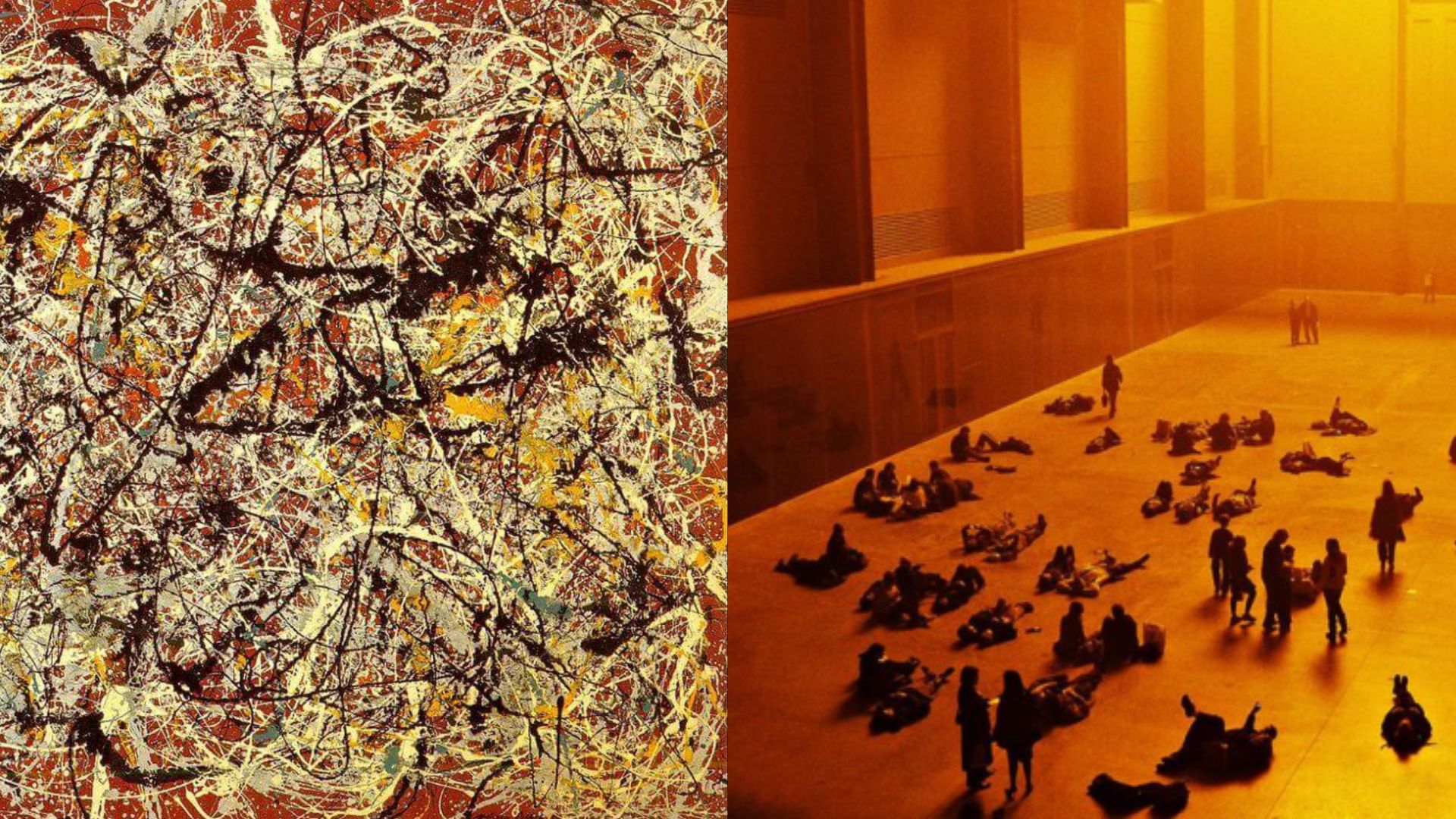
Walking into a gallery, maybe you noticed how some paintings feel fresh while others carry a bold, older energy. One moment you're looking at splattered canvases from the 1950s, next thing - screens showing video loops made last year.
Names like "Modern" and "Contemporary" pop up, tossed around like they mean the same thing. Truth? They don’t. Each label holds its own time frame, mindset, way of breaking rules. Even people who write about art mix them up now and then. Because really, why wouldn’t they - it’s messy, overlapping, full of exceptions.
Picture this: a clear walk through basic ideas, spotting each one step by step, because knowing what sets them apart adds depth when you view artwork. A fresh look changes how details stand out.
Modern Art (c. 1860 – 1970)
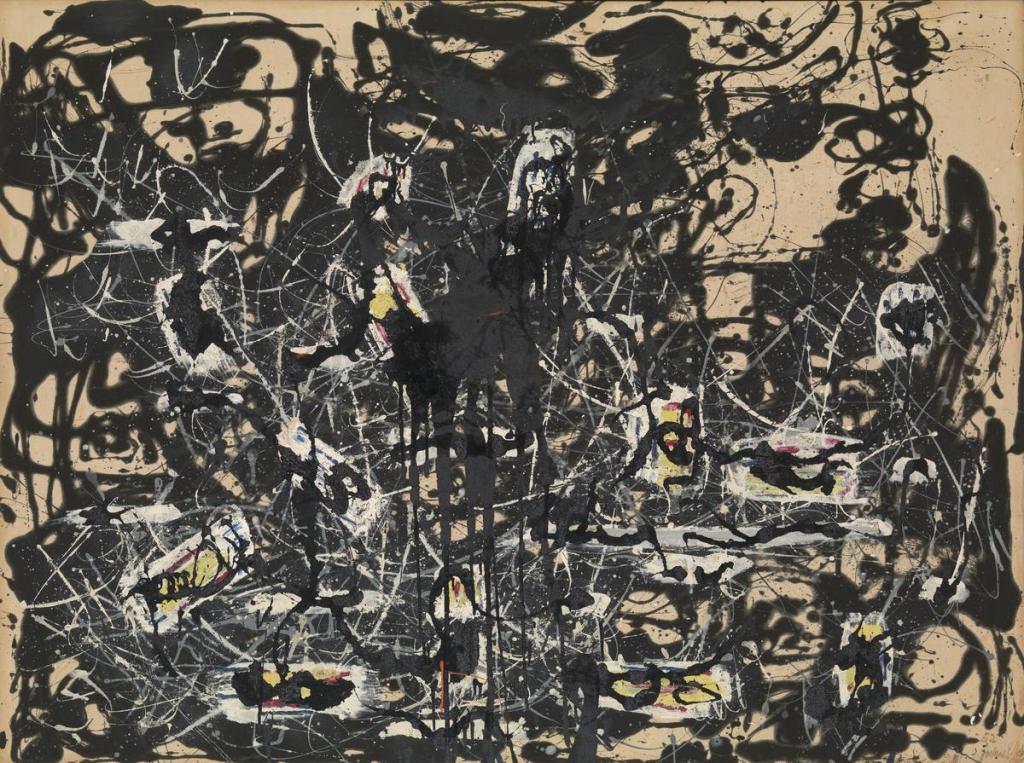
Yellow Islands by Jackson Pollock, 1952, via Tate, London
A time of upheaval shaped what we now call modern art. From around 1860 to 1970, creators responded to shifting worlds. Factories rose; cities grew; conflict left deep marks. Because of these forces, new forms of expression took hold. Instead of old rules, artists explored fresh ways to show reality. Change wasn’t just outside - paintings, sculptures changed too.
What began as quiet rebellion soon exploded into bold new forms. Instead of copying nature, painters twisted shapes until they meant something else entirely. Lines bent where they should not. Color shouted when it was expected to whisper. Old ideas about beauty got pushed aside. Paint wasn’t just paint anymore - sometimes it was mud, sometimes light. Some made images vanish into swirls; others built them from sharp angles. Nothing stayed fixed. Tradition became a starting point, then quickly left behind.
Fresh ideas drive modern art, yet trial and error shape its path. Breaking rules often matters more than following them here. Surprise appears in materials, though meaning hides between lines. Old methods get tossed aside because new ones demand space. Vision twists reality since artists see differently now.
Now and then you see shapes that mimic real things, though most of the time they drift into vague forms, straying far from what we know.
Emphasis on artist’s personal vision.
Often linked to certain art styles - like Impressionism or Cubism - not always in obvious ways. Movement shapes form, yet feeling often drives the shift behind it. Surrealism creeps in where logic fades. Expressionism rises when emotion outweighs structure. Abstract Expressionism spreads out, wild, once control loosens. Each era bends toward its own rhythm.
How to Recognize Modern Art
Bold experimentation with color, form, and composition.
Strokes that show the hand of the painter sit beside forms not drawn from real life.
What drives it is a need to stretch limits instead of copying what's happening right now.
A fresh take on creativity often means tossing out old playbooks. Meaning gets built differently now - through choices that surprise. Old methods? They don’t hold power here. New paths open when tradition isn’t the guide. Expression shifts, bends, tries odd shapes. The point lies in the attempt, not perfection. Vision matters more than technique ever did.
Contemporary Art (1970s – Present)
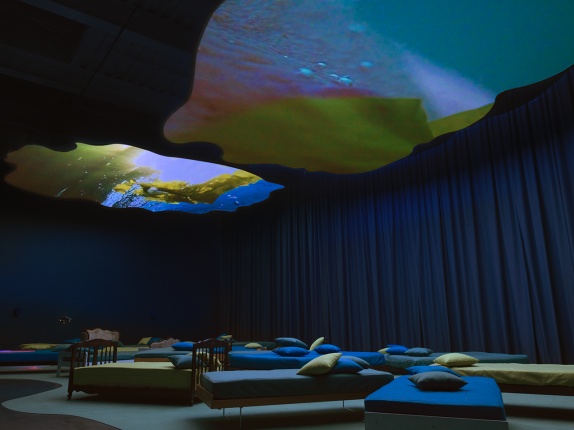
A Multimedia Installation
Art made since the 1970s falls under what people call Contemporary Art. While Modern Art had clear directions, this kind doesn’t follow one path. It shifts, changes, shaped by many cultures, views, tools. Because of how linked life has become, so too has the art. What counts now grows from difference, not unity.
Painting sits beside sculpture. Video appears next to live acts. Performance blends into built environments. Digital creations pop up across screens. Materials shift constantly. Each form stands on its own. Nothing stays fixed for long.
What tends to come up are questions about society, power, or shared beliefs.
Emphasis on concept or message, not just aesthetics.
Art might look back, borrow from, or question earlier styles - Modern Art could show up in new forms.
How to Recognize Contemporary Art
It might combine multiple styles or challenge classification.
Mixed materials sometimes show up alongside tech features. Interaction becomes part of the experience quite often. Gadgets blend in without warning. Screens pop up where you least expect them. Movement responds when someone draws near.
Looking at who we are shapes many stories. Society shows up a lot too. The natural world sneaks into plots more than you’d think. Power structures creep in when least expected.
Art now tends to connect with current life, not just chase new looks. What matters most? Reaching people where they are. Not every piece aims for beauty - some aim for reaction. Today’s work often asks questions instead of giving answers. It pulls from real events, not only studio ideas. Meaning can come before form. The focus shifts depending on the moment. Sometimes it’s political, sometimes personal. Context shapes how things are seen. Viewpoints change fast in this kind of art.
The Key Differences
What sets modern apart from contemporary art? One began around 1860, lasted till 1970. The other started after that, continues now. Instead of old rules, early artists chased fresh ways to create. Later ones look at today's issues, often asking questions through work.
Movements like Cubism or Surrealism shaped the first wave. The second has no clear pattern - styles shift constantly. Back then, painting and sculpture mattered most, though some tried new materials. Today, anything goes: video, code, live acts, found objects. Because one follows the other so closely, names get mixed up easily.
Abstraction shows up in both times, along with trying out new methods. Experimenting was common, tied closely to breaking away from standard forms. Unusual ways of working appear throughout each phase, linked by a shift from the usual path.
Some contemporary artists deliberately reference or reinterpret Modern Art.
Every now then, museum tags stretch "modern" to fit any art from the nineteen hundreds or two thousands.
Here’s a thought: Modern Art belongs to the past, like letters stored in an old drawer. Think of it as yesterday’s conversation, settled and studied. Meanwhile, Contemporary Art speaks now, loud in today’s room. One rests in textbooks; the other pulses on fresh walls. Time moves, yet both shape how we see.
Why It Matters
See how knowing the difference helps you:
Figuring out the difference? That makes sense of what museums write. Art books suddenly seem clearer too.
What lies behind the look and mood of a piece? Shapes come from choices made long before paint meets canvas. A quiet color might trace back to a loud memory. Sometimes the weight of history presses on each stroke. Background noise becomes visible in brushwork. Emotions stretch across surfaces without words. The air around creation shapes its skin.
Facing new times, painters shift their approach - each hurdle shapes fresh expressions. Moments of struggle spark unusual answers on canvas. When beliefs collide, art twists into unexpected forms. With every change in thought, creators find another way to show what matters.
Makes you more confident when discussing, describing, or critiquing art.
A splash of paint by Jackson Pollock? That belongs to Modern Art - driven by inner vision, shaped by bold new ideas. Meanwhile, something built by Damien Hirst steps into Contemporary Art - rooted in thought, connection, reflecting life as it unfolds today.
A Quick Cheat Sheet for the Gallery
Here’s something handy for those watching. Spot a work of art and unsure what it is? Try looking just above or beside it. Often there’s a small label with details. Not always obvious at first glance. These tags usually list the name, artist, year. Sometimes they’re tucked low or off to one side. Lighting might make them hard to read. Squinting could help. Other times another visitor can assist. Information desks exist in many places too. Patience helps when searching these out.
Look at when it happened: A fresh thought might challenge what we already accept. Yet sometimes, the present thinking holds value too. One path builds on what is known. The other seeks something new. Purpose shapes which direction makes sense. Not every question needs reinvention. Some benefit from reflection instead.
Look at how it's made: Regular ways compared to new, hands-on methods.
Watch how it nods to old styles or mirrors now: See echoes of past ways or current life peek through.
A quick list like this often shows what's right in front of you.
Conclusion
Here’s something to chew on: Modern Art isn’t identical to Contemporary Art - yet one feeds into the other like roots feeding a tree. Out of Modern Art grew space, risk, and permission that today’s artists still stretch further. Seeing them together turns scattered pictures into chapters of an ongoing story whispered from decade to decade.
When you go to an art show or look at pictures on your screen, pause. See what happens if you ask one simple question instead of just moving on:
“Is this exploring new ways to make art, or new ways to explore the world we live in?”
Most times, what you say shows if it's Modern or Contemporary Art.