Bright colors splash across canvas like supermarket labels given a spotlight. Everyday things - a movie star, a soft drink bottle - suddenly mattered just as much as ancient statues in museums. Instead of quiet galleries, inspiration came from city streets, magazines, television screens. Simple shapes shout where delicate brushwork once whispered. This art does not ask permission to exist loudly, proudly. Ordinary objects become icons simply by being noticed differently. Suddenly, taste isn’t decided only behind closed doors of elite studios.
A journey through bright colors and bold ideas begins here. What started decades ago still echoes now in city streets and galleries alike. Look closely at everyday things turned into statements. Think of soup cans elevated like royalty on canvas. Artists took ads, comics, movies - pulled them into fine art spaces. One name might leap to mind immediately; others wait just beneath the surface. Their tools? Irony, repetition, mass imagery. Not every piece shouts - the quiet ones linger too. Influence spreads beyond paintings into fashion, music visuals, even how posters look. This isn’t a dead trend frozen in time. It pulses under modern creativity, subtle but steady.

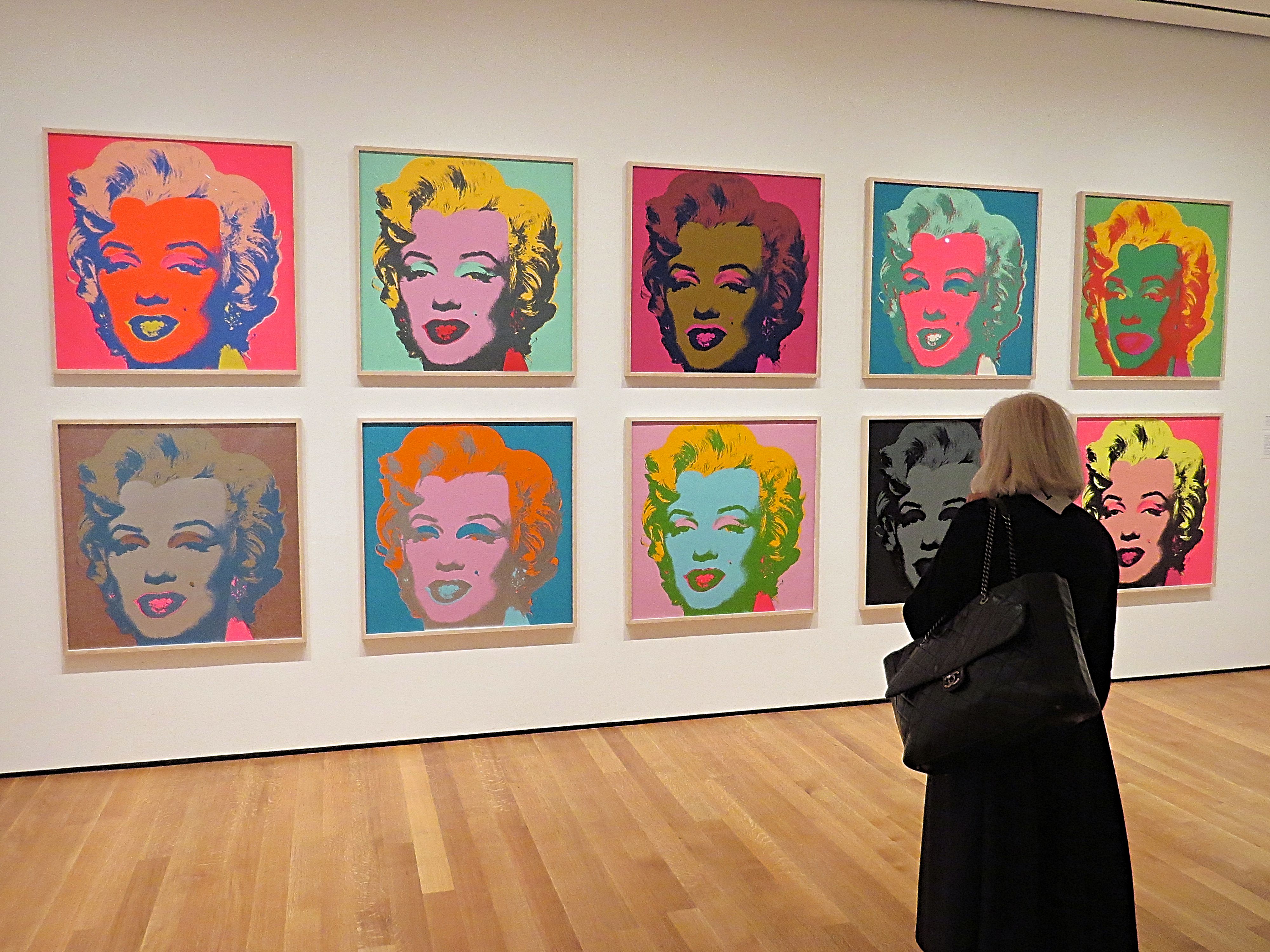
One of the Marilyn Monroe screenprints by Andy Warhol.
What is Pop Art?
Art called Pop began around the late 1950s, growing strong in the next decade across America and Britain. It pulled ideas from everyday life - ads, comics, famous faces, products, TV scenes. "Pop" stands for popular, pointing straight at common things people saw every day. This work did not hide its love for what was everywhere in culture then.
What made Pop Art different was how it turned away from deep emotion and complex forms seen before. Rather than chase inner feelings or dramatic brushwork, it leaned into scenes people saw daily. Common things - ads, products, comic strips - took center stage. These were shown not with awe but with distance, sometimes even mockery. It looked at culture through a cool, unimpressed lens.
"Picture this - everyday stuff, churned out by machines, gets a second life on canvas. Stuff you’d see in ads or comic strips suddenly hangs in galleries. It’s not about skill or beauty. What matters is how it reflects the world we live in. Common objects become statements just by being noticed. Not rebellion. Just observation, loud and clear."
The World It Came From
Pop Art makes more sense once you look at the world it came from. Money changes and city life shaped its direction. Television brought images into homes like never before. Artists noticed what people bought and watched every day. A shift in how art was made started there. Big cities buzzed with new ideas. What sold in stores often ended up on canvas.
Culture moved fast after the war years. People wanted something different than old traditions. Bright colors stood out where gray used to rule. Ads became part of daily sight. Some painters began copying packaging and signs. Life felt louder, faster, fuller. That energy showed in their work. Ordinary things turned into statements without drama. The movement grew where commerce met creativity.
Folks started noticing how much ads were everywhere once peace came. The U.S., along with others in the West, saw money flow faster than before. Stores got bigger, filled to the brim with things people could buy. Screens flashed messages into living rooms every evening. Pages of bright pictures spread across homes through mailboxes. All that noise on walls and airwaves? It shaped what eyes saw each day. Some creators took note - what they made changed because of it.
A reflection of the world just emerging, Pop Art captured what people saw around them. Reality shaped its colors, its forms, its voice. Things once ignored became part of the picture. Through it, everyday life found a place on gallery walls.
The Shift: Rebellion Against Expressionism
Once, abstract expressionism ruled galleries. Jackson Pollock swung paint wildly. Mark Rothko poured color into quiet rectangles. Feeling mattered more than form back then. Yet some began looking elsewhere. Emotion alone felt too narrow a path. A shift started brewing beneath the surface. Gesture gave way to something cooler. Certainty replaced wild spontaneity. Minds turned toward structure, clarity, precision. The personal bled slowly into the systematic. Paintings grew tighter, less frantic. Order crept in where chaos once reigned.
Looking outward instead of within marked a shift. Representing the visible world became its aim, staying cool rather than pouring out feelings. Society's own pictures were mirrored by this art, not personal depths. The artist’s inner life took a step back while culture stared back from the canvas.
Origins of Pop Art: UK vs. US
Pop Art didn’t start in America, despite how closely they’re linked. It kicked off across the Atlantic, in Britain.
The UK: Back in the 1950s, folks linked to London's Independent Group started digging into everyday visuals. Not quite celebration - this version of Pop Art questioned US consumer life through a thoughtful lens. Starting with skepticism, some first pieces challenged how factories shape life. Not far behind came doubt about ads shaping choices. Right after appeared concern over machines changing human connections.
The US: Pop Art grabbed America by the throat near the end of the 1950s, roaring louder through the next decade. Boldness defined it, size mattered, visuals hit hard. Instead of shying away, U.S. creators dove into ads, logos, everyday packaging. Sharp repetition ruled; emotion stepped aside for exact copying. Pop art in the U.S. turned brasher, flashier, still - its pulse tied tight to market rhythms unlike Britain's cooler take.

Left: John McHale, Telemath, 1958, Courtesy the Estate of John McHale and Richard Saltoun, London, Right: Andy Warhol, Marilyn Monroe, 1967, Photo Courtesy of the Museum of Modern Art
What Makes Pop Art Stand Out?
A close look shows bold colors mixed with everyday images. These pieces grab attention without trying too hard. Bright tones meet ordinary objects in surprising ways. Think comic strips beside soup cans, sitting oddly together. The style borrows from ads yet feels artistic somehow. Repetition plays a role, turning simple things into something more. Irony slips in quietly, never shouting. Surfaces stay flat but ideas run deep beneath. Familiar symbols get reused until they mean something new. This mix keeps the work sharp even today.
1. Using familiar images
From ads comes much of Pop Art’s inspiration. Began seeing art in ordinary things people used each day. Ordinary items took on new meaning as focus of creative work:
Comic strips
Product packaging
Famous actors together with singers
Brand logos
2. Bold colors with clear lines
Pop Art favors:
Bright, saturated colors
Strong outlines
Flat, graphic compositions
Fine lines hum of factory presses, while colors shout like street posters. Each shape leans into the rhythm of assembly-line art. Bright edges carry the stamp of crowded newsstands. Repetition here feels familiar, almost borrowed from busy city walls.
The Power of Repetition:
Seeing the same thing again shows how things are made in big numbers. Copies appear over and over, like items on a factory line. Images stack up, just like ads in a magazine pile. What you get looks identical each time, stamped out fast. These pieces act like products churned out by machines. The way they repeat feels mechanical, not handcrafted. Objects lose uniqueness, becoming part of a larger run. Familiar shapes show up multiple times, pattern-like. Each version mirrors another, close but not quite twin. Rhythm builds through steady recurrence across the surface.
What stands out is the distance it keeps. Emotion takes a back seat. Instead, there's a smirk, a shrug. This art watches culture without cheering or booing. Its tone? Hard to pin down. Not quite mocking, not exactly praising. Just showing things as they are. A mirror held up, but slightly warped. The message slips through sideways.
Pop Art shook things up by treating comic strips, advertisements, furniture - not just old masterpieces - as real art. What once seemed ordinary suddenly stood alongside tradition without apology. Everyday visuals gained weight, not because they were flashy but because artists looked at them differently. Meaning rose from soda cans, billboards, even soup labels when framed right. The line between elite and common taste started to smear.
Famous Pop Art Artists to Know
Andy Warhol
Picture Pop Art. Chances are, Andy Warhol appears in that image. He defined a generation’s visual language through soup cans and celebrity faces. Repetition became his rhythm. Not loud - yet impossible to ignore. His studio? A magnet for misfits and stars alike. Fame fascinated him, yet he stayed quiet behind the camera. Paintings sold for millions later on. Back then, people called it nonsense. Today, silence speaks louder than those old critics ever did.
Known for: Campbell’s Soup Cans, Marilyn Diptych, Celebrity portraits
Using silkscreens, Warhol leaned into copying things mechanically. He once said he wanted to act like a machine. Fame, what makes something unique, why people crave products - these ideas his art poked at. The way culture treats icons suddenly seemed strange.
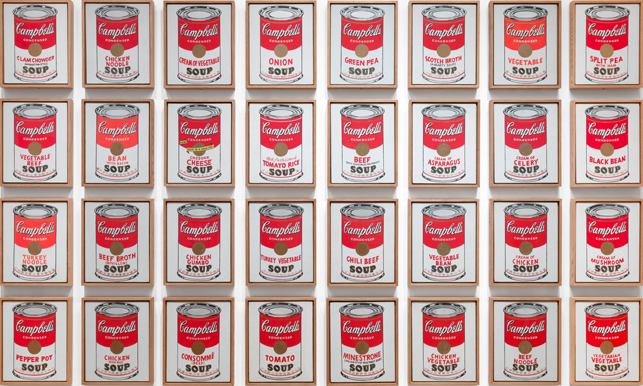
Andy Warhol. Campbell’s Soup Cans, 1962, Photo Courtesy of the Museum of Modern Art
Roy Lichtenstein
Lichtenstein transformed comic book panels into monumental paintings. Zooming in on comic panels made high art uneasy next to printed drawings. His scale shift poked at old boundaries nobody thought to question before.
Key features: Ben-Day dots, speech bubbles, dramatic and simplified imagery.
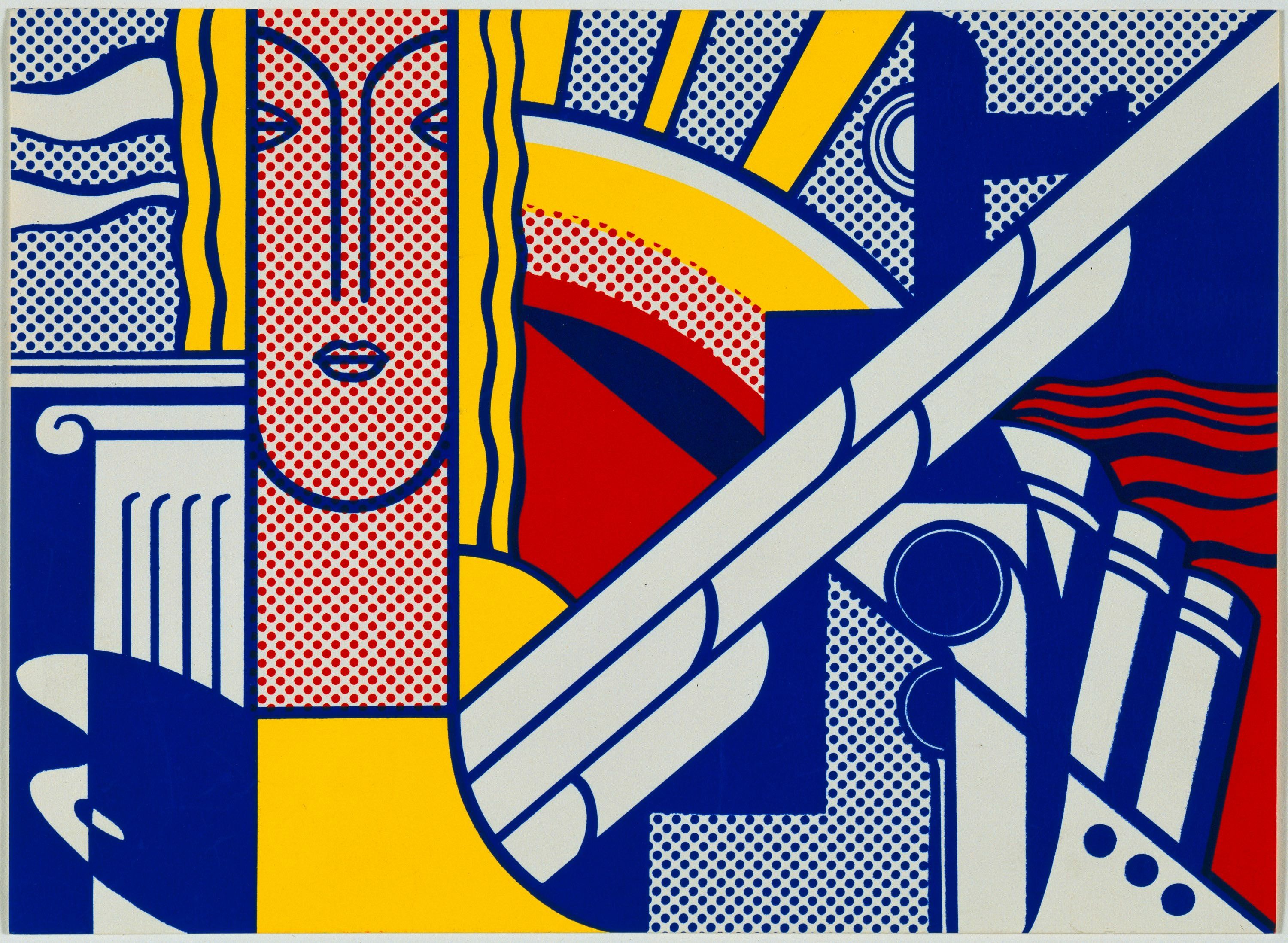
Roy Lichtenstein, Modern art Poster, 1967, Courtesy of The Museum of Modern Art
Richard Hamilton
A pioneer of British Pop Art, Richard Hamilton made waves with his collage titled Just What Is It That Makes Today's Homes So Different, So Appealing? This piece stands among the first examples of Pop Art ever created. Though small in size, its impact was large. Instead of painting, he used cut-out images from magazines. Because of this approach, it felt fresh at the time. One thing clear: it questioned consumer culture without saying a word. Looking closely at everyday habits shaped his work. Consumer culture came under quiet scrutiny through painted scenes of home routines. A sharp eye for detail marked each piece he made.

Richard Hamilton, Just What Is It That Makes Today's Homes So Different, So Appealing?, 1992
Claes Oldenburg
Bigger than life, Claes Oldenburg shapes common things like hamburgers or clothespins into towering pieces. Soft fabric replaces steel now and then. Ice cream cones twist upward in playful sizes. Familiar items stretch beyond their usual form. Surprising materials give them a new presence. These works stand where people walk, altering how we see the ordinary. Funny moments mix with bold moves, shaping how Pop Art feels in real space.
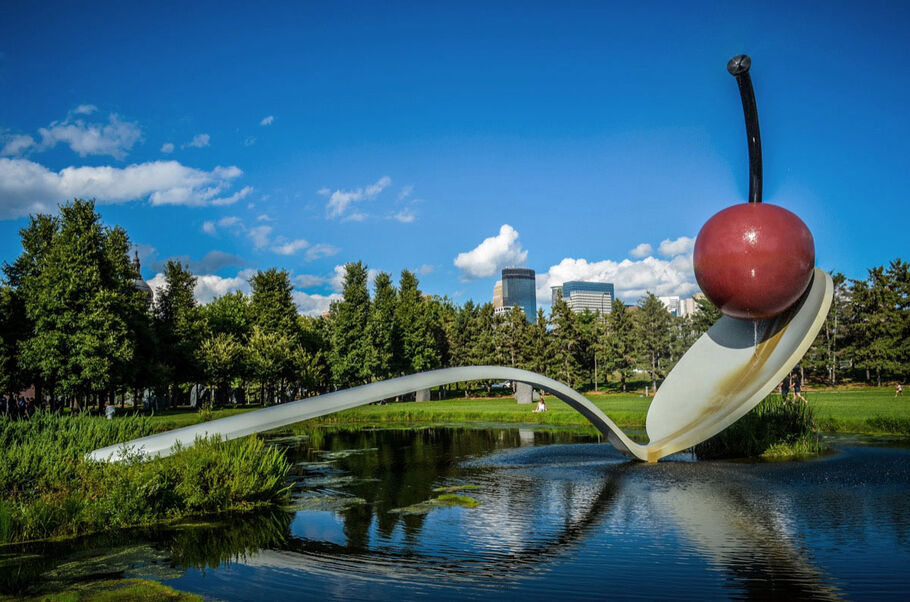
Claes Oldenburg, Spoonbridge and Cherry, TK. Photo by m01229, via Flickr.
James Rosenquist
Fragments of color stretch across huge canvases - Rosenquist knew billboards from the inside. Painted under open sky, those signs taught him scale. Now, giant pieces clash like storefronts at noon. Advertising's rhythm lives here, remade slow and strange. What once sold products now just stares back.
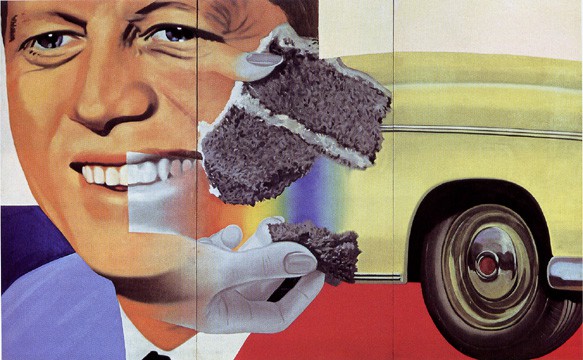
James Rosenquist, President Elect, 1964, Source WikiArt
Techniques and Influence
Pop Art took cues from how things were made in factories, linking its ideas to real-world processes. Methods used by creators mirrored those found in advertising and packaging, grounding the art in everyday life. With these methods, the role of the artist's touch grew smaller, making consistency more central. Repetition took priority where personal flair once led.
Common techniques include:
Silkscreen printing
Collage and mixed media
Acrylic paint with flat finishes
Mechanical reproduction methods
Pop Art shifted how we see things around us. Not only did it alter paintings and sculptures, but everyday images took on new meaning too.
Influence on graphic design and advertising:
Album covers
Magazine layouts
Branding and packaging
Typography
Today, its daring yet clear look still shapes how we see messages. What stands out is how simply it speaks without losing strength. What changed the game? Pop Art opened doors. Suddenly, art felt less distant, easier to own. Because of it, fame began orbiting creativity. Money followed closely behind. Now, those three - art, stars, cash - are tangled like headphone wires. That link didn’t appear out of nowhere. A shift happened back then.
Pop Art Today: A Modern Take
Pop Art never really left. It just changed shape over time.
Fresh off the canvas, today’s creators twist classic Pop Art ideas into something new. Not stuck in one place, they mix bold visuals with graffiti flair, online platforms, even sharp takes on current life. Some pull from ads, others from memes - yet all reshape what pop culture means now.
Political Commentary: Take artists who blend pop culture figures with statements on politics. Some pair celebrity images with commentary on power. Others mix famous faces and social critique. A few use well known icons alongside protest themes. Many connect entertainment symbols with ideas about governance.
Digital Frontiers: Digital Pop Art using memes and internet culture.
Street Art: Artists referencing branding and mass media.
Out here, online feeds and trending pictures carry on what Pop Art once started. Right now, artists pull from ads, memes, screens - not just paint. Stuff spreads fast, seen by millions overnight. That quick flash, that bold look - it feels familiar. Bright colors shout louder than words. Images twist meaning, play games with truth. Faces pop up everywhere, repeated like slogans. Culture eats itself, spits it back altered. Recognition matters more than realism. Screens shape how we see, judge, remember. Familiar things feel strange when shown too often. Artists watch, borrow, exaggerate. Nothing stays hidden long. Attention moves quick. The line blurs between making art and living it.
Contemporary themes include:
Hyper-consumerism
Celebrity culture
Information overload

Photo by Markus Spiske on Pexels.com
Why Pop Art Still Matters
What keeps Pop Art vital? It shows the way pictures influence who we think we are, also what we want. A mirror held up by color and culture, revealing cravings shaped through repetition. Seen everywhere, its power lies in familiarity twisted just enough to feel new again.
What counts as new when everyone just repeats what came before?
Bridges fine art and popular culture.
Looks like something anyone can get right away.
Flickering pixels everywhere - Pop Art fits right in. Screens shout ads nonstop, yet art from that time whispers back just as loud. Bright colors pop up where you least expect them. Culture moves fast, but this movement never really left. Familiar images twist into something odd, somehow fresh. Not everything flashy fades; some things stick around, quietly watching.
Frequently Asked Questions About Pop Art
What is Pop Art?
A kind of art called Pop Art pulls pictures from everyday life. Things like ads, comic strips, or packaging become part of paintings or sculptures. Instead of copying reality, it lifts pieces straight from what people see daily. This approach turns ordinary visuals into something shown in galleries. One moment you’re looking at a soup can, next it’s hanging on a museum wall.
Why does it look like that?
Pop Art grabs attention fast - its colors punch hard. Bright shades stand out on purpose. Familiar pictures show up again and again, pulled straight from ads or comic books. Seeing the same image multiple times changes how it feels. Artists borrowed methods used in factories and printing shops. These approaches made art feel less like something distant. Culture stopped being split between fancy galleries and everyday life - it mixed instead.
When did it start?
Who began naming it Pop back then? This art form showed up during the fifties, rising into view through the sixties.
Who is the most famous Pop artist?
Fame in Pop Art? That title often goes to Andy Warhol. He stands out more than others in that world.
Final Thoughts
Here’s something to chew on: Pop Art wasn’t just paint on canvas. It used ordinary snapshots of life - soda bottles, comics, ads - and slipped them into galleries where only kings and saints once hung. Because of that move, what counted as art got looser. Suddenly, value didn’t need centuries of approval. This shift nudged eyes open, made people question who decides beauty. The result? A fresh way to stare back at consumer chaos - not with scorn, but curiosity.
Far from fading, Pop Art still pushes boundaries - explore its roots, examine how it bends reality, notice today's echoes. One fact stands out plainly: this movement grips culture with sharp wit and restless energy. So long as movies, music, and trends shape how people see the world, art that mirrors them will keep changing too.