Ah, stepping into a gallery can stir confusion. That painting on the wall? It might leave you puzzled. You are definitely not the only one who feels that way. Art often seems out of reach. Modern stuff especially—it raises eyebrows. Yet understanding isn’t locked behind knowledge. Seeing value doesn’t demand training.
Art makes sense even if names or styles feel unfamiliar. Stay open, take your time, and notice one thing at a time. A little attention goes far when looking changes slowly.
Overcoming the "Expert" Myth
Fear of mistakes keeps some folks frozen. Yet creating has no single path. This isn’t about passing a quiz.
It isn't necessary to grasp what it "means."
You don’t need a degree in art history.
Your personal experience is valid.
What if you switched your question to something like: "Does this make sense?"
Finding meaning in art comes from within, shaped by moments we live through. What matters grows out of how it feels, never fitting someone else's checklist.
How to Look: A Beginner’s Guide

Photo by Karola G on Pexels.com
Pause first. See what is there. Not what you expect, but what stands in front of you. Watch before deciding. Notice shapes, light, and stillness. Let details arrive without naming them. A shadow moves differently than thought. Wait until something sticks. Then ask why it caught your eye. Look again after that.
1. The Visual Elements
Shape and Color: Look at how things are shaped. Colors catch your eye for a reason. Lines go where they need to.
Texture: Texture tells you how something feels without touching.
Space: Watch how light moves through empty areas. See what feels large, what seems small. Notice gaps between things more than the things themselves.
2. The Big Picture
Look at how the pieces fit together—does it feel steady, scattered, or mirrored? What stands out first might shift your view entirely.
The 2-Minute Rule: Pause here. One minute, maybe two, for just this part. Rushing blurs it. Let your gaze drift slowly across. Notice whatever catches hold. Thoughts slow down when you stop pushing.
Trust Your Gut
Notice how you feel when looking at art. It speaks through emotion, not just images. Check in with your reaction—what stirs inside? Sometimes a color, a shape, or a silence between brushstrokes carries meaning deeper than speech ever could.
Ask yourself: What emotion does this work bring out in me?
Check the atmosphere: What mood sits in the air—peaceful, strained, bright, or off-kilter?
Something about it feels close to home. Not sure why, but it tugs at a memory I can’t name. Feels like an old photo, maybe. Or a scent from years back. Pops up without warning. Lingers just long enough to notice. Your gut reaction matters, whether you understand it or not.
Building a Vocabulary

Finding your way through art begins with words. Knowing just some names for what you see makes it easier to talk about. A brushstroke isn’t just paint—it tells motion. Shapes hold mood, not only form.
Watch for these patterns:
Lines: Zigzag edges twist into smooth curves. A sharp corner follows a spiral path. Straight lines cut through wavy forms.
Color: Bright, muted, warm, cool.
Texture: Rough, smooth, layered.
Composition: Balanced, crowded, symmetrical, asymmetrical.
The Power of Curiosity
Curious thoughts often help more than seeking fixed replies. Explore a topic by wondering out loud sometimes. A question without a goal can lead you further than chasing proof.
What is the first thing that catches my eye?
What draws my eye across the piece?
What could explain how the painter made it look like that?
Maybe there's a reason behind it, though clarity feels out of reach right now. Wonder pulls you forward, making it feel easier while giving back more than expected.
Compare and Contrast

Left Hiroshige, Plum Park in Kameido, 1857, Right: Vincent van Gogh, Flowering Plum Tree (after Hiroshige), 1887
Look at multiple artworks—even within the same style—and notice differences and similarities:
How do different artists handle light or color?
What changes happen to shapes, surfaces, or arrangements?
What makes one piece feel calm while another feels chaotic?
Making Art a Habit
Patience changes how we see art. What seems unclear now can make sense in time. Later on, a painting might speak when it once stayed silent.
Revisit: Return to galleries or online collections.
Journal: Keep a record of observations and feelings.
Live with it: Take time to live with a work before deciding what you think of it.
Social Viewing
Chatting about paintings with a buddy might shift how you see them. A stranger's comment may suddenly make sense.
What catches their eye?
How does it sit with them?
Listen to interpretations without feeling pressured to agree.
Start Small

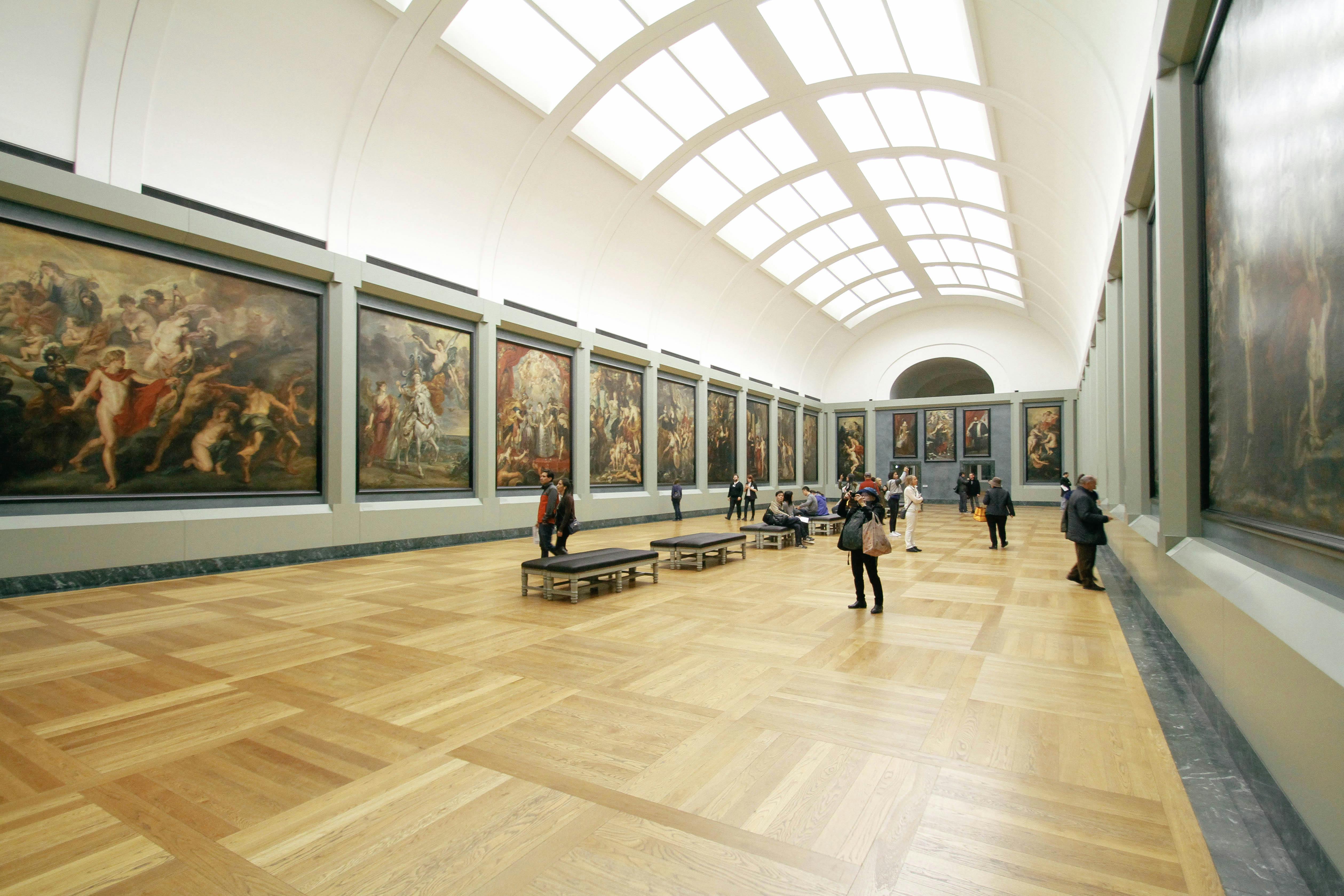
Photo by Kyle Miller on Pexels.com
Begin with tiny moves. The whole art scene? Too much right off. Try one thing first:
Spend 5–10 minutes looking at just one piece.
Focus on a single exhibit or museum room.
Pick a single detail: Focus only on color, or only on arrangement.
Conclusion: Trust the Process
Wonder why some art feels confusing? That is okay. What matters is how it makes you feel, not whether you understand it completely. Curiosity opens doors. Feeling something—anything—is already a kind of connection. Art lives in reactions, not answers.
Pause now. Watch closely. Think it through. Stay curious instead. That changes how you move forward. Notice details you previously overlooked. Trust gets easier each day. Your take matters just like anyone else’s.