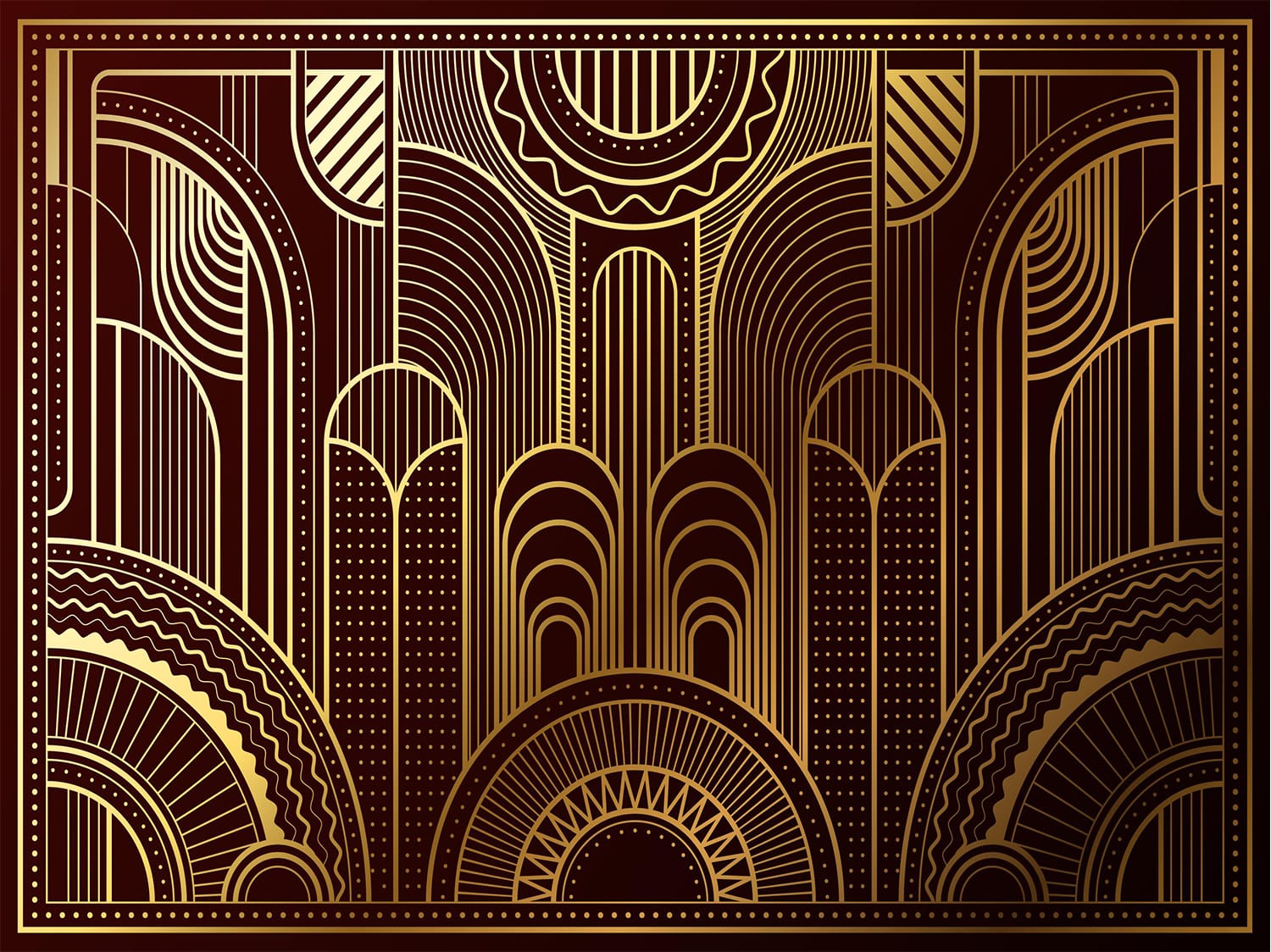
A single piece on a wall can say more than words ever could. What hangs there changes everything about the room’s mood. Personal stories show up in colors, frames, shapes - not through talk but presence. Museum-grade paintings sit alongside bold posters without conflict. Emotion lives where eyes land first when entering a space. Function hides behind beauty, yet matters just as much. Homes lean into comfort because of choices made above eye level. Offices gain quiet strength from what covers their bare surfaces.
A deep look at wall art begins here - types show up fast, styles pop in many forms, materials range wide. Picking the best piece leans on smart choices shaped by experience. Collectors feel it, designers know it, homeowners get it too. This piece lays out clear thoughts so vision matches reality when walls start talking.

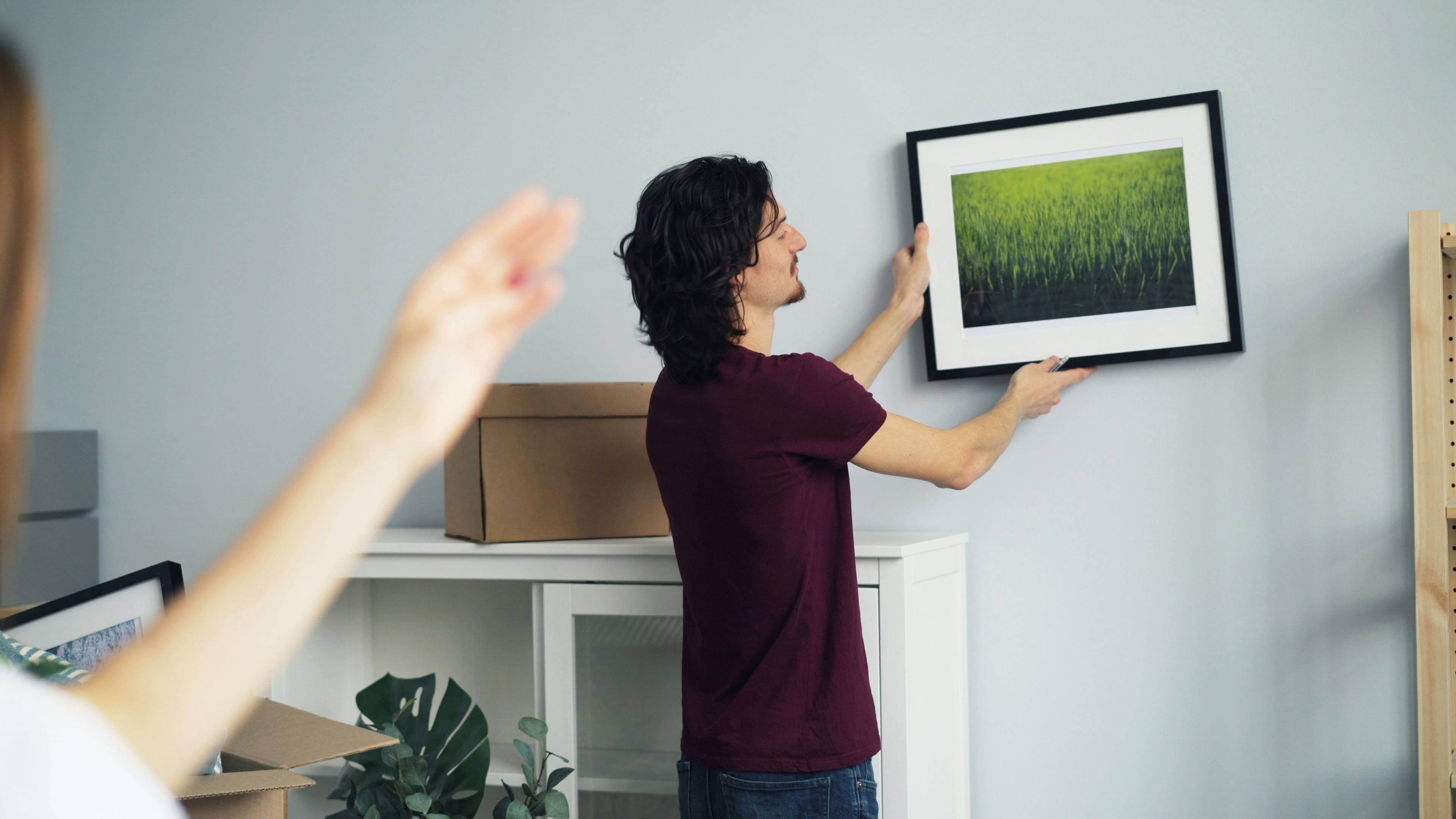
Photo by Steph Quernemoen on Pexels.com
The Role of Wall Art
Art on a wall can take many shapes. Sometimes it is painting, sometimes something built into the space itself. Visuals meant for vertical surfaces often shape how a room feels. Paintings hang there. So do crafted items that also serve another purpose. Not every piece needs a frame to belong. Some simply exist where people live, quietly changing the air.
Wall art can serve multiple purposes:
Express personal taste and identity
Create visual balance and focal points
Influence mood and atmosphere
Complement architectural features and décor
Paintings and prints might come to mind first, yet wall art actually includes many different forms and materials.
A Brief History of Walls
Long before books, people marked stone with images. Those drawings deep inside caves - like in Lascaux or Altamira - show how stories began on rock faces. Back then, paint came from earth tones mixed with water. Ancient builders covered temple halls with scenes of gods and harvests using wet plaster techniques. Tiny tiles snapped together formed grand tales under Roman suns. Stone carvings rose from palace walls, telling victories without words. Walls have always held what mattered most.
Back then, paintings covered castle halls while fancy woven scenes hung in grand rooms. Now, blank walls fill up with photos, prints, maybe even odd bits stuck on a surface. Style shifts followed bigger changes - think churches giving way to sleek lofts. What sticks on walls often shows what people care about at the time. Some choose bold colors simply because it feels right that day. Others pick pieces that remind them of places they’ve been. Art glued, nailed, or leaned against walls speaks without words. It tells mood, memory, moment. Even quiet corners get louder with something hanging there. The shapes and shades chosen say plenty, whether planned or not.

The History of Wall Art, Courtesy of Big Wall Decor
Types of Wall Art
Figuring out what kinds of wall decorations exist makes it easier to pick things that fit how your room looks, feels, and costs. What you hang can change everything.
Paintings
Art on canvas still holds a steady place among favorite ways to fill empty walls. Though styles shift, these creations keep their appeal across time. A single brushstroke can carry a story - originals do just that, standing apart through personal touch. On another note, copies make art reachable when cost or distance blocks the way.
Common painting types include:
Oil paintings
Acrylic paintings
Watercolor paintings
Mixed media works
Prints and Posters
A single print might show a painting, a photo, or something made on a computer. These copies sell well because they cost little and fit many spaces. Because prints exist, owning sharp images becomes possible without spending on rare pieces.
Among the favorites are:
Giclée prints
Lithographs
Screen prints
Posters
Photography
Out there on living room walls, photography rules the decor game these days. Landscapes lead, sure - but architecture sneaks in quietly, then abstract shots shout color. Portraits bring faces that seem to follow you across the floor. Real moments hang still, telling quiet stories one frame at a time. Presentation hinges on how choices are framed plus the sharpness of the print. What matters most shows up in the details you decide early.
Canvas Art
A fresh twist on home decor, canvas wall art shows pictures applied straight to fabric then pulled tight across supports. With its clean edges and smooth finish, it fits neatly into today’s sleek interiors. Some pieces begin softly, others grab attention fast - each brings depth without clutter. A single canvas might hang straight on the wall without any frame at all. Installation becomes simpler when there is nothing extra to mount around it.
Sculptural and Textural Art
Metal Wall Art: Includes laser-cut designs and sculptural installations. Bold shapes bring depth to rooms, giving spaces a fresh look. A rough surface catches light differently, changing how walls feel.
Wood Art: From trees to walls, wooden artwork adds quiet charm indoors. Carved pieces show grain and texture up close. Prints on timber bring forest tones inside without fuss. Sometimes paint streaks across wood slices like dawn light.
Textile Art: Fabric artworks on walls - like weavings, stitched cloths, or dyed materials - bring texture, color, rhythm. Inside rooms styled with free-spirited mixes, these textiles find a natural place.
Wall Sculptures: Out there on walls, some artwork sticks out - literally. These raised forms bring space alive through shape and shadow play. Sometimes they twist into wild abstractions; other times they echo real-world figures.

Woven macramé hanging
Styles to Consider
Pictures on walls usually follow what's happening in art and design. Trends shift, yet echoes of past decades still show up in frames.
Modern & Contemporary: Fresh shapes stretch across walls, pairing well with uncluttered rooms. Simple colors meet bold outlines in today's designs. Open spaces feel balanced when these pieces hang quietly.
Traditional: Pictures of nature, people, or objects - done in a lifelike way - define old-style wall decor. Such works fit naturally inside rooms that feel elegant or rooted in past eras.
Abstract: A splash of red might meet a curve, then a sharp angle appears. Color dances without needing to copy anything real. Shapes talk when words step back. Meaning shifts depending on who looks.
Bohemian: A splash of cultures shapes bohemian wall art, where mismatched patterns feel right at home. Woven hangings show up often, along with circular designs full of symbols. Handcrafted touches appear regularly, giving rooms a lived-in soul.
Industrial: Out on a brick backdrop, you might spot bold lettering welded into steel frames. Think city scenes etched into rusted panels, sitting right at home above exposed ductwork. Old factory vibes? They shine alongside riveted iron shelves and concrete floors.
Materials Matter
Choosing what goes into wall art shapes how it looks, also how long it lasts. The stuff picked changes everything from color hold to wear over time. Freshness in look depends on what it's made of, yet upkeep changes completely from one to another.
Common wall art materials include:
Canvas
Paper
Wood
Metal
Acrylic
Fabric
Tips for Choosing the Perfect Piece
Start by thinking about what kind of mood you want in the room. A painting can set a tone, just like lighting does. Size matters - too big feels overwhelming, too small gets lost. Think about where it will go before buying anything. Colors should fit with your furniture, not fight against them. Frames add their own touch; metal feels sharp, wood brings warmth. Maybe pick something that changes how space seems, like depth or height. Personal taste rules more than trends ever could.
1. Consider the Space
Evaluate wall size and proportions, ceiling height, and lighting conditions. A single big wall? That space handles bold art or a cluster of frames well. Tiny walls work better when kept bare, maybe just one small piece resting there.
2. Match Your Decor
Start with what you already own. Pick artwork that fits alongside your current setup. Colors should flow together, like pieces of the same story. Let size follow the room’s rhythm - too big feels loud, too small disappears. Themes linking across items tie things quietly behind the scenes.
3. Explore Color Psychology
Here's how colors shape feelings:
Blue tones: Calmness
Red: Energy
Neutral tones: BalanceA splash of color on the wall might echo what's already in the room. Or it could stand out by choosing a different path entirely.
4. Scale and Emotion
A piece too large might dominate a room unexpectedly. Go bigger if you want impact that draws the eye right away. Balance is key when matching artwork to your sofa or shelf below. Tiny prints can shine when clustered with others nearby. Room size plays a quiet role in what fits well visually.
What you feel about a piece decides its place on your wall. A snapshot from years ago, or colors by someone whose work speaks to you - these tie the room together in quiet ways. It’s not just what looks right. It’s what stays with you when you walk away.

Small art behind a sofa, vs. larger art behind a sofa
5. Creating a Gallery Wall
A single glance can take in several pieces when they’re arranged together on a wall. Grouping them brings rhythm without needing matching frames or sizes.
Tips for success:
Maintain consistent spacing
Use a unifying color or frame style
Begin sketching where things go prior to mounting anything on walls
Mix sizes and orientations thoughtfully
Beyond the Home: Commercial Spaces
Art on walls does more than decorate empty surfaces. In places like hospitals, workplaces, or eateries, it quietly shapes how people feel when they walk in. Instead of just filling space, these visuals help tell a story about who runs the place. Mood shifts subtly where colors are warm or lines flow gently across large panels. Visitors might not notice details at first glance, yet something feels different - more welcoming, perhaps.
In commercial settings, wall art can:
Reinforce brand identity
Improve mood and productivity
Create memorable environments
Final Thoughts
Picture what hangs on a wall might seem small - yet it speaks volumes. Through color and form, it carries meaning beyond mere looks. Every piece tells of who we are, what we honor, where we've been. Walk into any room, notice the walls - they guide mood, spark thought, shift attention without words. Public hallways or quiet bedrooms, surfaces talk just the same.
A fresh look at wall art - its kinds, its forms, its textures - opens doors to rooms that feel alive. What matters shows up in choices, not rules. Spaces shift when materials speak plainly. Style isn’t borrowed; it grows. Seeing options changes how walls breathe. Personal touches land softly when thought comes first.
A choice here, maybe just one bold artwork, can shift how a room feels. Picking each piece with care turns empty walls into something alive. When arranged well, these moments of color and shape make spaces more personal. Art does not need permission to sit where people live. It fits right in, quietly changing the air.