Art·8 min read
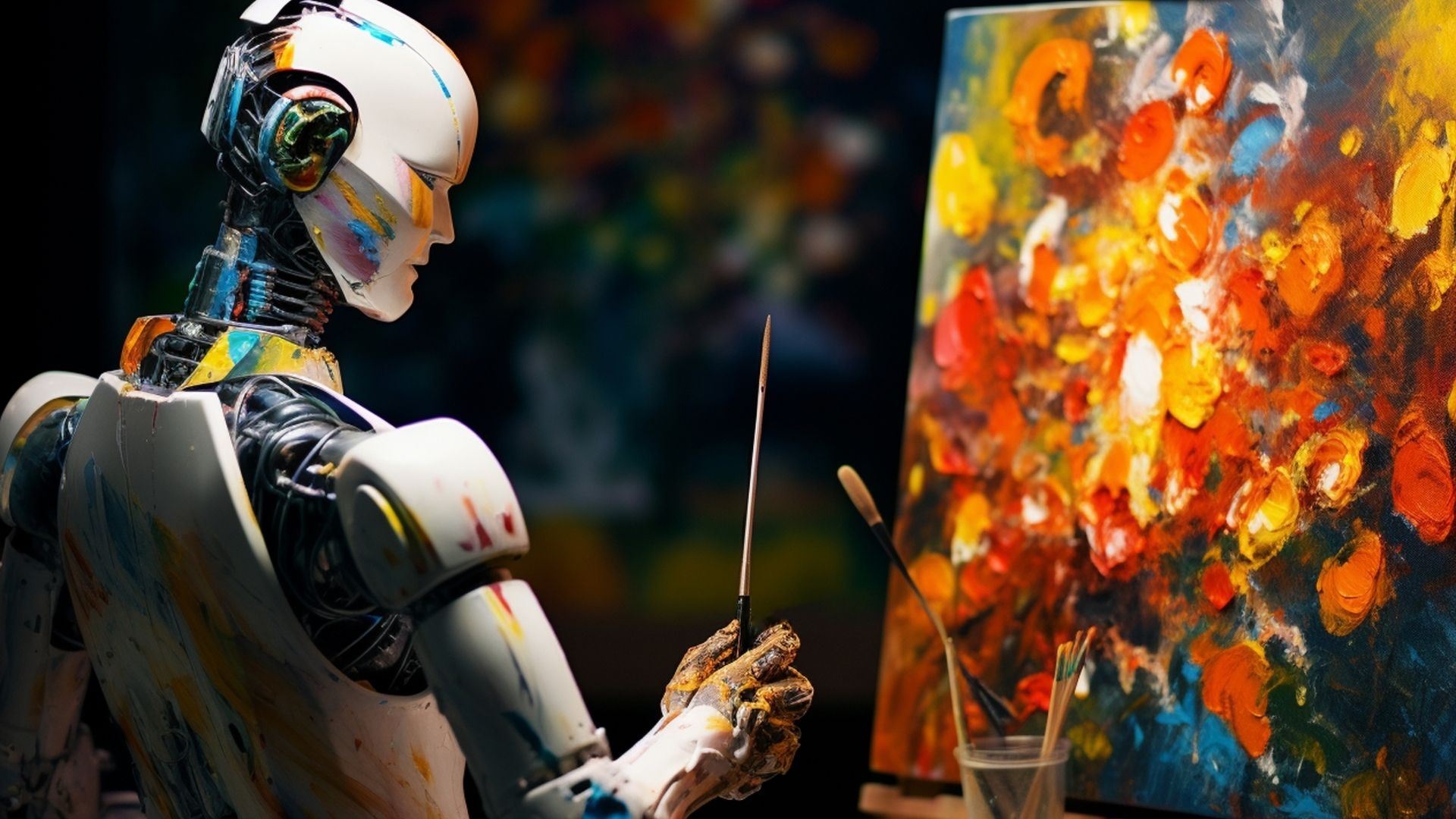
Is "AI Art", Still Art?
Is AI art real creation or imitation? Explore the ethics, intention, and future of machine-made masterpieces in modern culture.
9 articles
Is AI art real creation or imitation? Explore the ethics, intention, and future of machine-made masterpieces in modern culture.
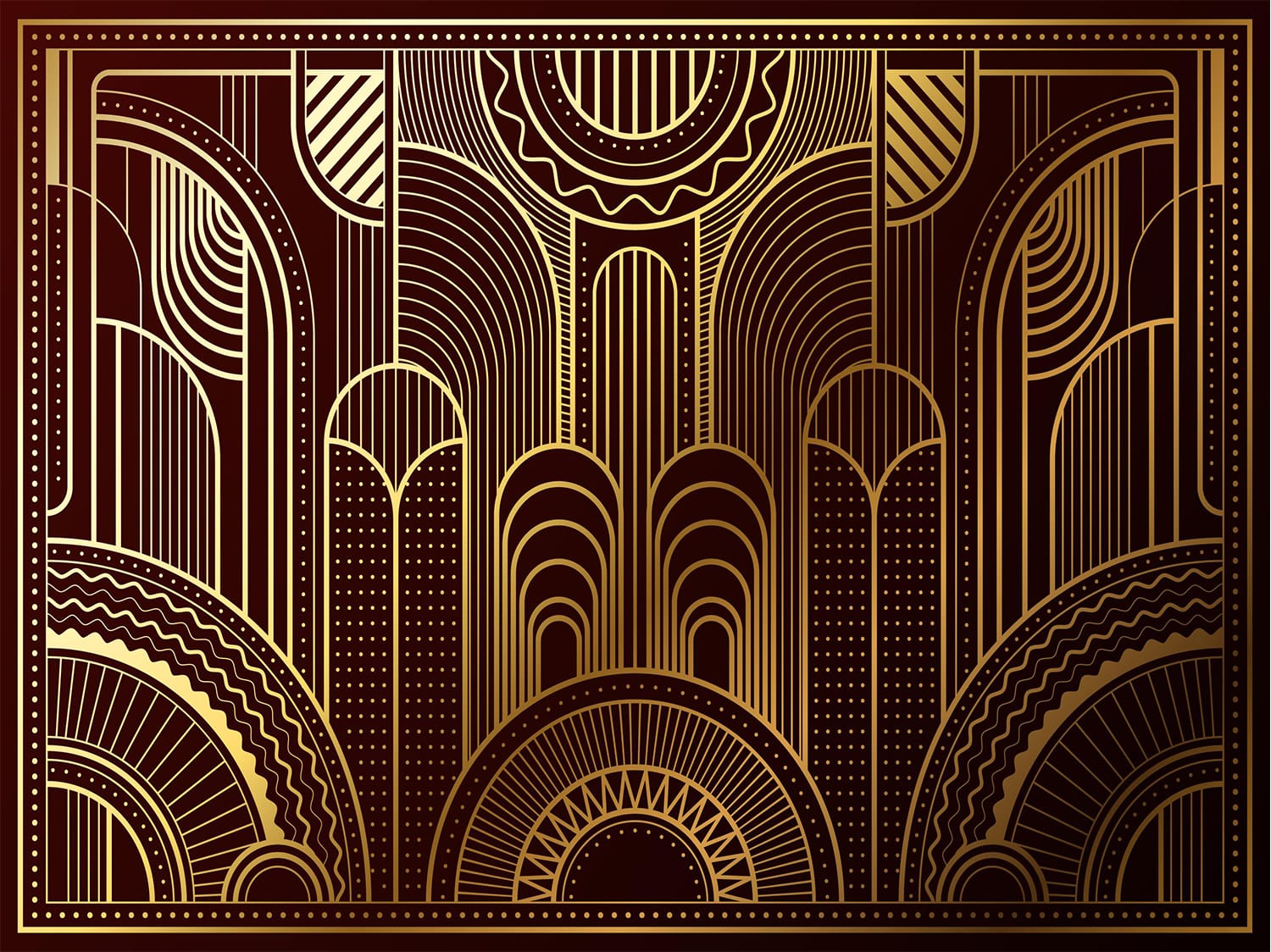
Art Deco, born in the 1920s, blends geometric precision, luxury materials, and bold colors to celebrate modernity, speed, and glamour. Its sleek lines and vibrant motifs shaped architecture, fashion, and design—leaving a lasting legacy in visual culture.
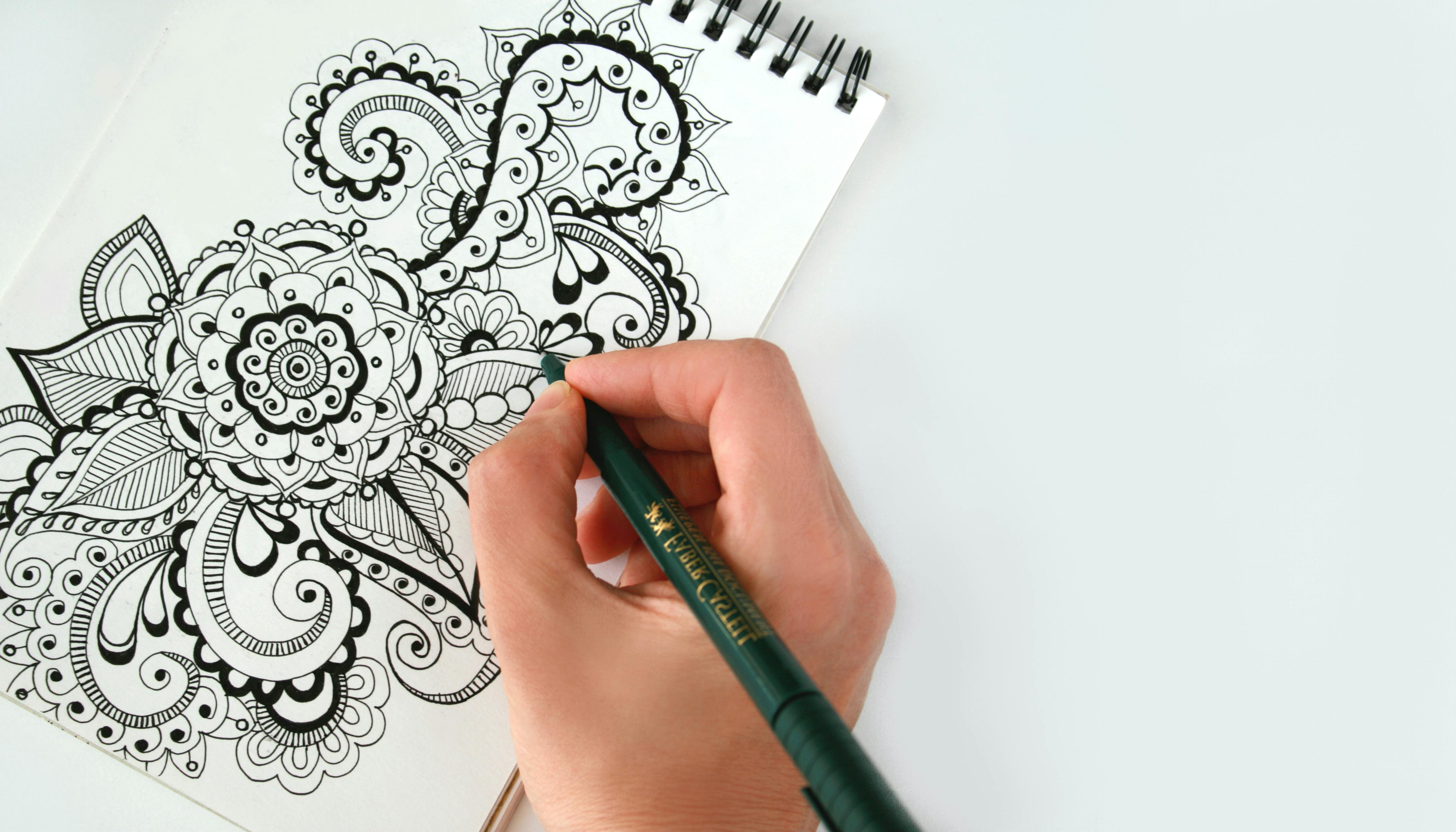
Doodle art transforms spontaneous sketches into meaningful expression, blending playfulness with purpose through free-flowing lines, patterns, and personal style.
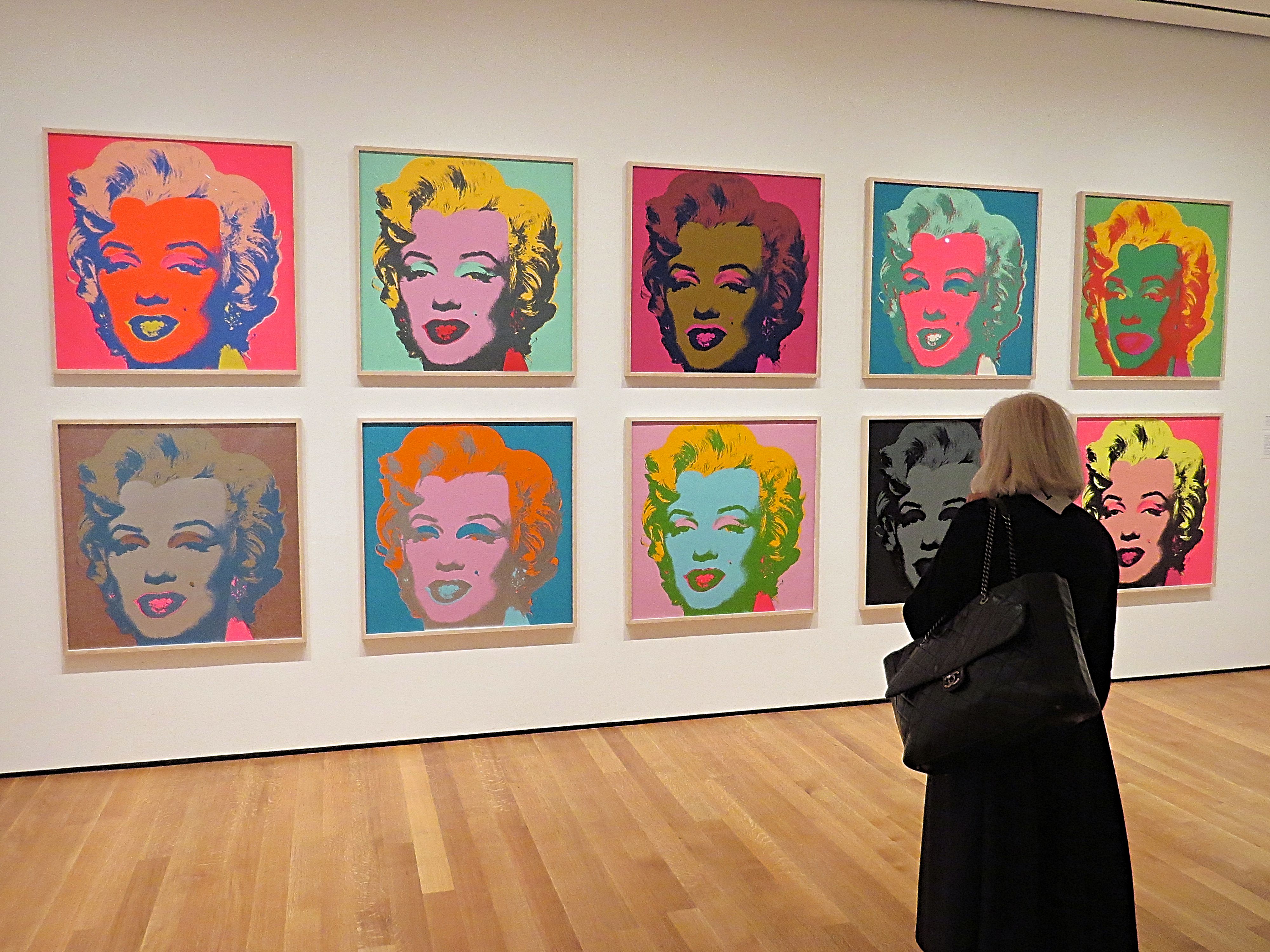
Pop Art turned everyday objects—soup cans, celebrities, ads—into bold, vibrant art. Emerging in the 1950s–60s, it used bright colors, repetition, and irony to challenge traditional art. Pioneered by Warhol, Lichtenstein, and Hamilton, it blurred lines between high and popular culture. Its legacy lives on in modern design and digital art.
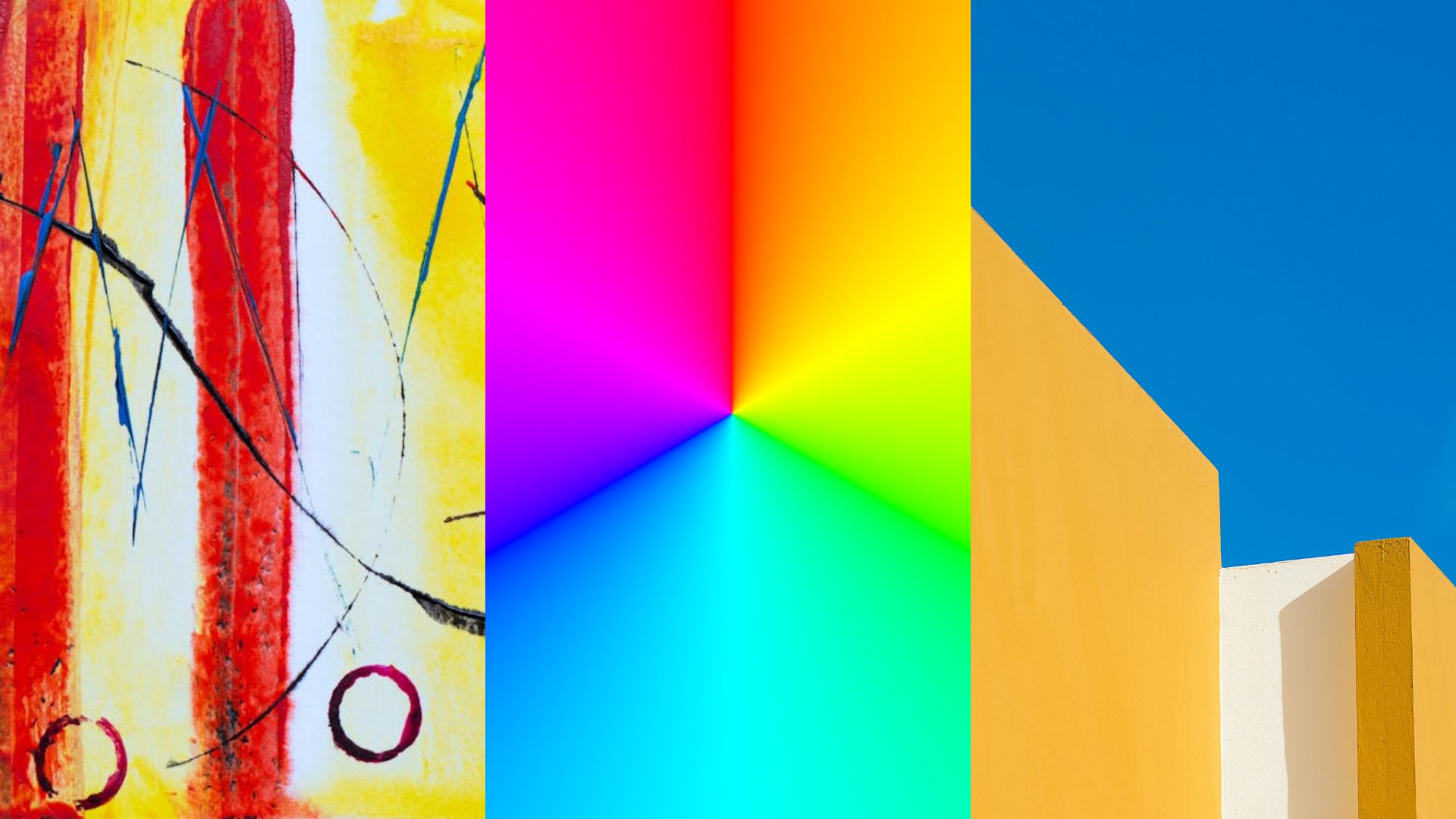
Art appreciation can be enhanced by understanding core concepts rather than learning everything. Key elements like medium, composition, line, shape, color, and texture influence perception. Exploring symbols and styles further deepens meaning. Engaging with just a few art terms fosters curiosity, enabling a richer experience in art spaces without pressure.
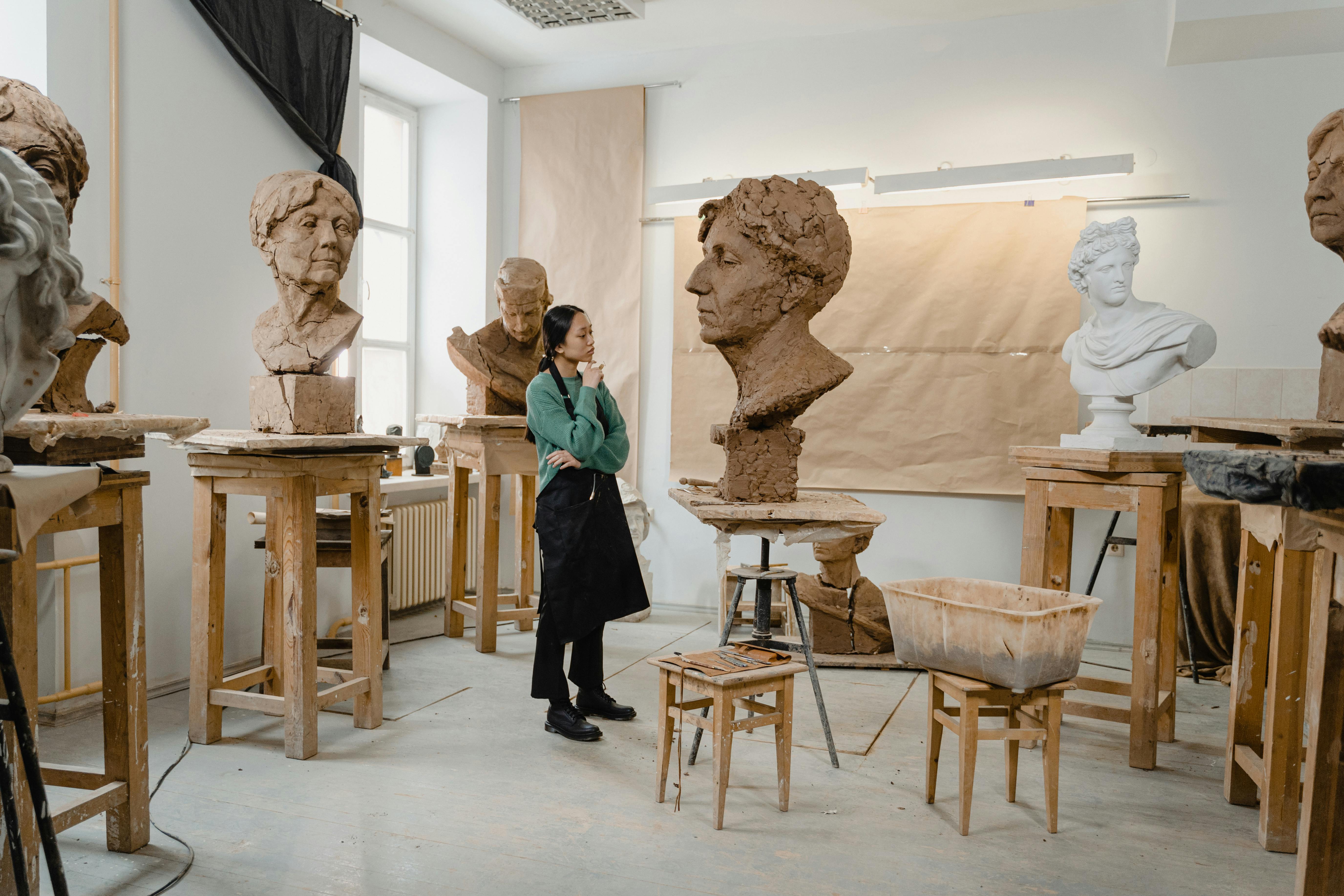
Art evaluation involves understanding skill, meaning, and personal taste. Skill reflects an artist's technique and execution, while meaning encompasses the narrative and emotions expressed. Taste is influenced by personal experiences and culture. Good art emerges when skill meets intention, prompting deeper appreciation and connection beyond surface-level judgments.
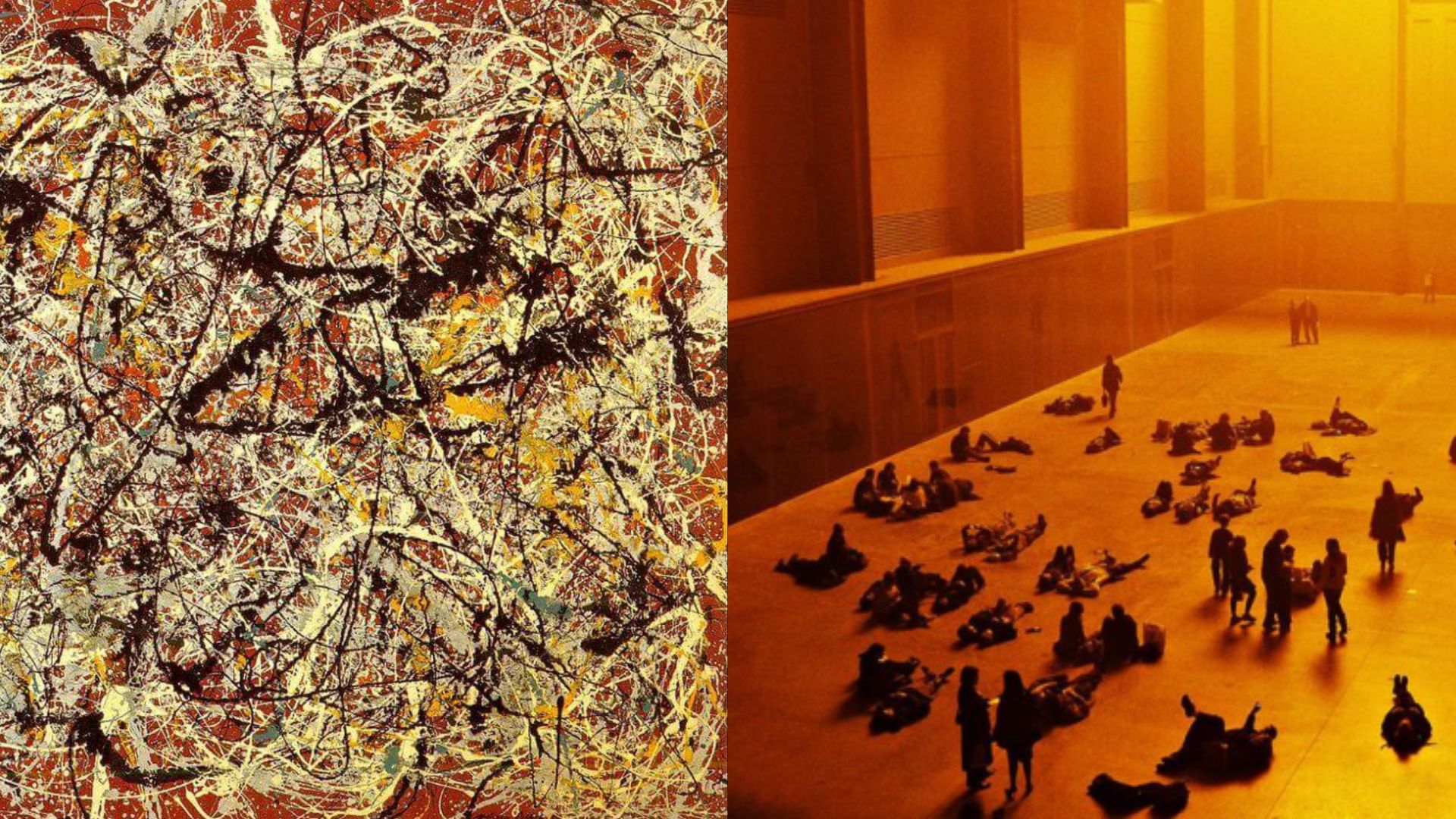
Modern Art (1860-1970) was shaped by societal upheaval, emphasizing experimentation and personal expression, often breaking with traditional forms. Conversely, Contemporary Art (1970-present) focuses on current issues and diverse mediums, prioritizing concepts over aesthetics. Understanding these distinctions enhances art appreciation, revealing broader themes in artistic evolution across time.

Art transcends mere decoration, functioning as a vital tool for survival and understanding. It expresses emotions, challenges societal norms, documents histories, and fosters empathy. Throughout time, art reflects cultural shifts and resonates deeply, linking individual experiences to broader themes. In a fast-paced world, it encourages reflection, reminding us of our shared humanity.
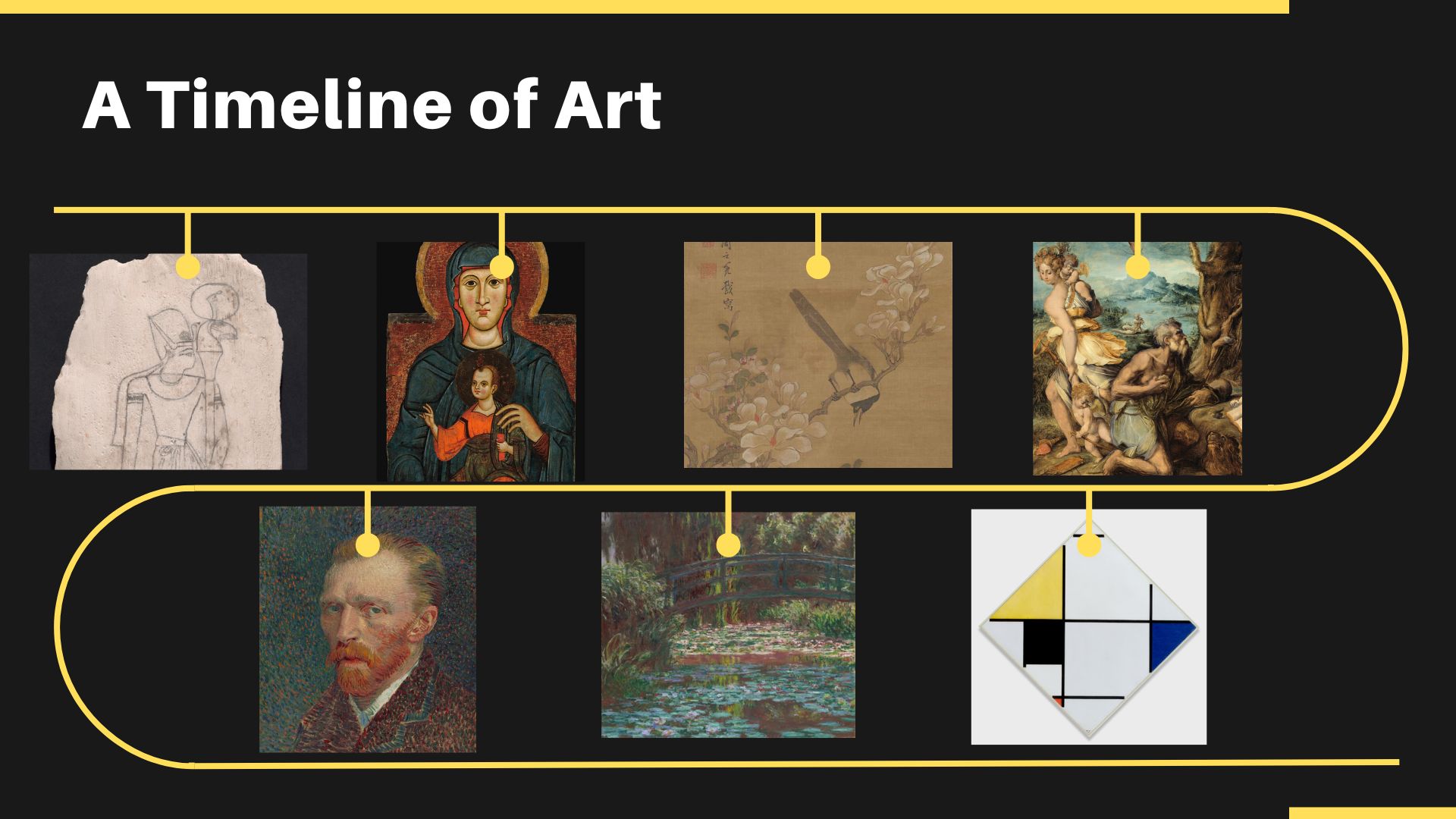
The evolution of art movements reflects societal changes, influenced by politics, technology, and artistic techniques. Each style, from Realism to contemporary art, reveals shifts in focus, expression, and form. Understanding these movements fosters appreciation, enabling viewers to connect with artworks that mirror the complexities of their time and emotions.