Note: AI Art is used for context in this article.
Out in galleries now, pieces made by machines draw crowds. Some sell for big sums at auction houses. Artists argue fiercely about what counts as real creation anymore. Picture making that relies on code rather than hands stirs strong feelings. A single question keeps coming up when people talk late into nights: What does it mean to make something truly new if a program did the work? That doubt lingers long after the screen goes dark.
This piece dives into what lies beneath the surface of a heated discussion. A look at meanings, beliefs, tensions, alongside how society responds. One camp dismisses work made by artificial intelligence without hesitation. Others welcome it without pause. The split reveals more than just opinions about technology. It shows changing views on what creating even means today.

The AI-generated portrait "Edmond de Belamy", 2018, sold for $432,500 at a Christie's auction.
What Is AI Art?
Pictures made with help from smart computer programs go by the name AI art. Sometimes these visuals come fully formed after typing a few words into tools like Midjourney, DALL-E, or Stable Diffusion. What once required brushes, pencils, or clay now happens through code that learns patterns from countless photos found online. Instead of hands shaping every detail, math shaped over millions of examples does the work behind the scenes.
Who makes art matters less than what it does. Machines produce images, yes, but human choices shape their purpose. Meaning comes not just from hands, but from context, response, thought behind the act. Creation shifts when tools change. Questions about origin linger because art has always mirrored how people see themselves. What counts as real reflects shifting beliefs more than fixed rules.
What Art Means Through History and Thought?
Art means different things to different people. What counts as art shifts over time, shaped by culture and opinion. Long ago, some refused to see photographs as art at all. Digital creations faced similar resistance when they first appeared. Ideas about creativity change, often slowly. Judging AI-made images requires understanding how narrow views once blocked new forms. Acceptance usually follows after initial doubt.

Side-by-side comparison: On the left, a photographer uses an illusion to make himself appear twice in a photo, Wheeler, Berlin, Wisconsin, 1893. On the right, a smartphone logged onto the Midjourney website
Picture this: Oxford Languages sees art as a product of human creativity and imaginative effort. Still, plenty point out it’s never just about textbook descriptions. After all, art shifts constantly—shaped by both tech advances and cultural changes.
AI Art Not Considered "Real" by Some
1. Lack of Human Intention and Experience
What often gets pointed out is how AI-made visuals miss the depth tied to real feelings and purpose—things a lot see as core to true artwork. These systems build pictures by repeating what they’ve seen, not through memory, pain, meaning, or inner drive. Because of this gap, certain observers claim the results can’t go beyond surface-level imitation.
Not long ago, studies into artificial intelligence showed something curious about creative output. Machines excel at mixing ideas, spotting trends across data. Still, they seem to miss a certain leap—the kind of bold reinvention humans make when painting, writing, or composing. That gap hints at imitation instead of invention. What looks like originality in AI might just be sophisticated repetition. So far, no algorithm has startled itself with a truly new thought.
2. Ethical and Legal Concerns
Out of nowhere, questions about right and wrong have swirled around AI-made pictures. Trained using countless images protected by copyright, these systems often ignore whether creators agreed to it. Artists who make a living from their work say it feels like being copied on a massive scale—like taking without asking. A few have pushed back hard, urging big auction firms to stop selling pieces made this way due to worries about stolen ideas and broken rules.
3. Human Skill Losing Value
Some people worry—what happens to years of practice when a machine makes art in seconds? Back in the day, cameras stirred similar doubts. Yet here it's different: one prompt, many images, little hands-on work. Skill might start feeling less rare. Not new fears, just sharper now.
It's possible machines might devalue artists' work over time. One concern is how software takes over tasks people once did by hand. Instead of paying creators, companies may rely on algorithms to generate content. This shift raises questions about fairness in creative fields. When programs mimic art, it challenges what we consider originality. The worry isn't just cost but recognition too. Some feel these tools blur lines between effort and automation.
AI Art Can Be Considered Real Art
Even so, plenty of creators, reviewers, and thinkers still claim AI-generated visuals count as real art—just a different kind stretching old limits in fresh ways.
1. Impact on How People Watch
A single point stands out: what matters might not be how something is made, but how it lands in someone else's mind. When pictures built by machines stir feelings, carry meaning, or spark thought—just like canvases or carvings long accepted—they begin to fit the shape of art.
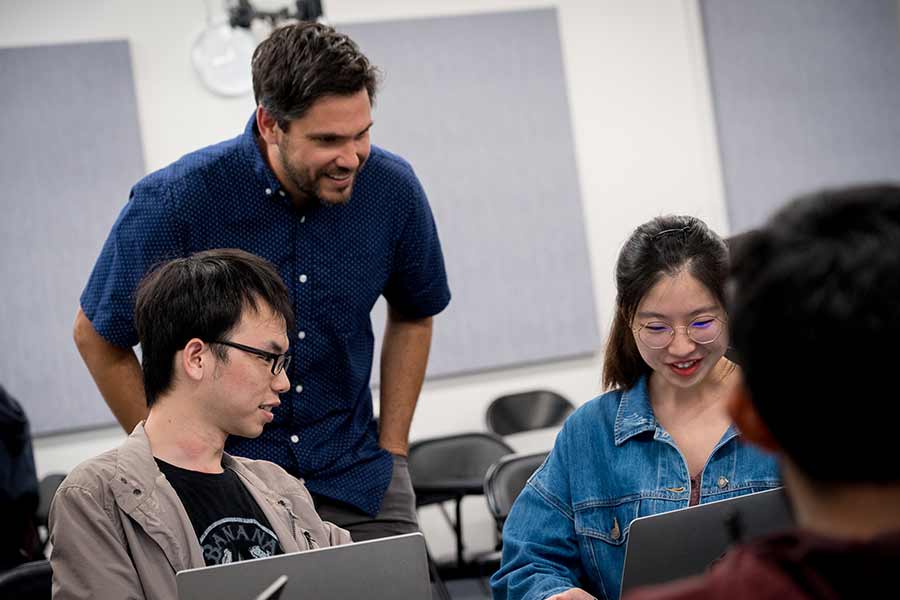
UC San Diego Students using AI to generate art, Source: UC San Diego Today
2. Human–AI Collaboration
Some people who like AI-made art talk about how it works best when paired with a person. The machine does not just make things out of nowhere—a user gives it direction, picks through what comes back, adjusts step by step, then guides the last version. Seen this way, technology acts more like a brush than a painter.
A painter reaches for a brush, a photographer lifts a camera—each picks what fits their hands. Artists today might turn to AI instead, shaping it like any medium before. What matters is not the tool but how someone guides it. Vision shows up in choices: where to steer, when to pause, how to respond.
3. Democratization of Creativity
What once seemed out of reach is now within grasp. Those without years of practice can start making visuals, simply by trying. A door opens when software guides the hand. More kinds of people join in, bringing different views to light. Culture shifts slowly as fresh perspectives take space.
The Spectrum of Creativity: Human–Machine Hybrid
Art talk today leans toward one clear idea: the conversation isn’t about either/or. Rather than framing the question as “AI art—real or not?,” thinking in shades helps more. From entirely handcrafted pieces to those made solely by algorithms, there's space between. In that range, people and programs often work together, shaping new kinds of expression.
Surprisingly, people tasked with judging art often failed to spot which pieces came from machines rather than humans. The outcome hints that artificial systems might tap into what we find beautiful, blurring lines once thought clear. What feels creative may not depend solely on who—or what—made it.
Cultural and Market Acceptance
Out in the open now, AI-made visuals show up where paintings once stood—on gallery walls, at shows, under auction lights. Though questions swirl around who truly makes it, what it's worth, how right it feels, museums treat it like real work. Recognition grows while debate drags on behind it.
Still, the Christie's auction centered on AI made one thing clear: trust in AI-generated art among classic art circles isn’t settled. Questions around who owns what, who gets named, keep coming up—these talks will probably steer how rules evolve down the line.
What the debate affects
What people say about AI-made art goes beyond machines. Suddenly, questions pop up around what it means to create something new. Artists find themselves thinking differently now—about ideas they once took for granted. One by one, old beliefs on authorship start to blur. Tools shape the work, sure—but so does context, moment, intent. Who really makes the piece? The hand? The code? The person who presses play? Meaning slides when roles overlap like this.
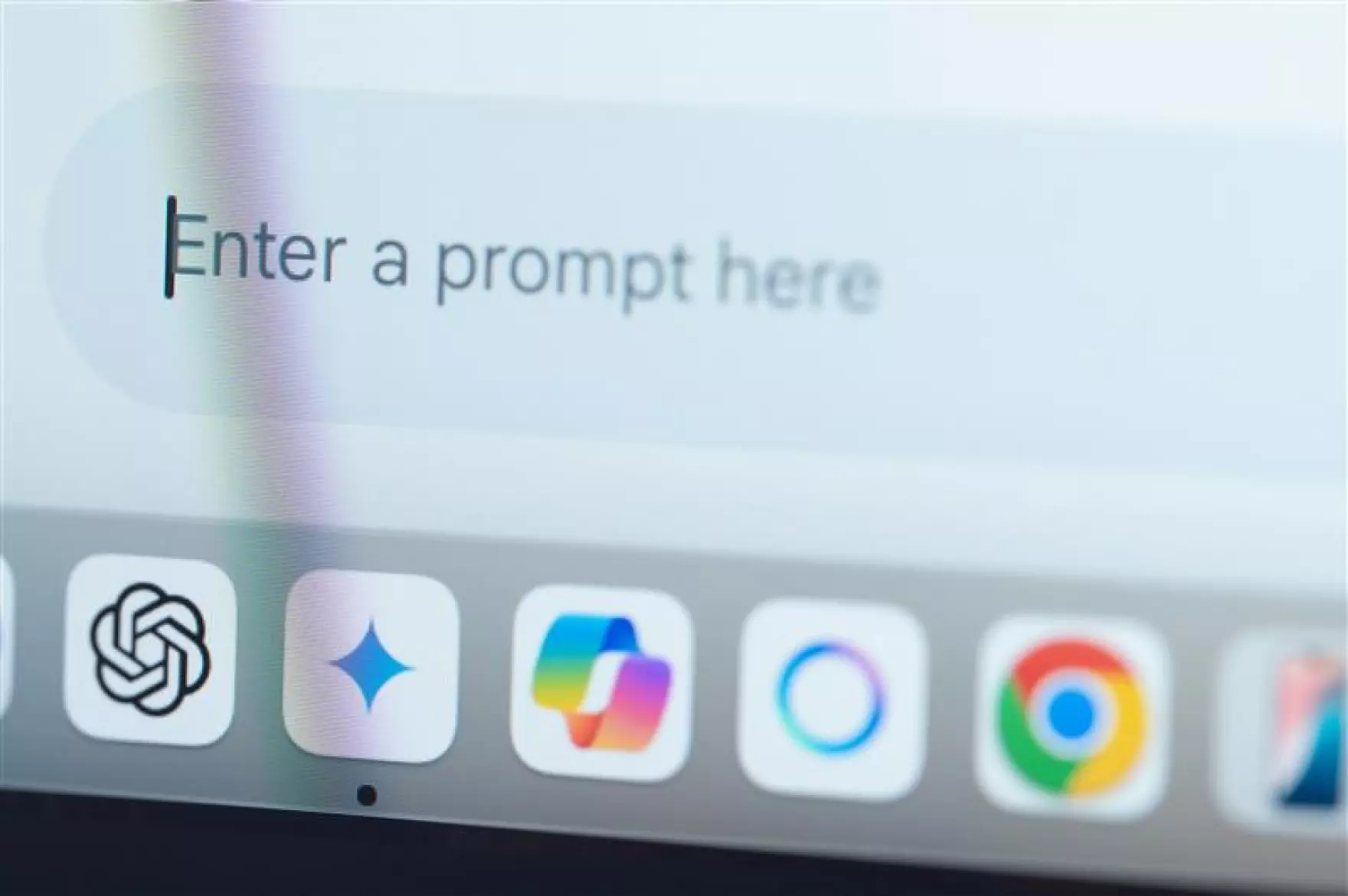
A computer screen with AI app icons and the phrase: "Enter a prompt here" on the opened tab, Courtesy: WXXI News and Adobe Stock Images
Final Thoughts
Art made by machines—does it count? It depends. Not a yes or no thing. More about what we believe art can be, which shifts over time. What counts as real art shifts when machines make it, nudging us to rethink originality, who creates, worth, and how ideas flow.
What matters most isn’t how a piece is made, but what it makes people feel. Though unfamiliar to tradition, these works still carry weight. Where tools once limited imagination, now they expand it. Meaning shapes value more than method ever could. Seen this way, machine-made images join the long line of creative shifts. Not every shift fits old frames—yet each adds depth. Expression finds ways, regardless of origin.
Far from killing off old ways, AI art nudges tradition into new shapes. Where tech meets making stuff, meaning shifts without warning. This shift? It reshapes how people see creation now.