#art education

7 articles tagged with "art education"

Art Vocabulary: Essential Terms Every Art Lover Should Know
Art
·6 min read

Art Vocabulary: Essential Terms Every Art Lover Should Know

Art appreciation can be enhanced by understanding core concepts rather than learning everything. Key elements like medium, composition, line, shape, color, and texture influence perception. Exploring symbols and styles further deepens meaning. Engaging with just a few art terms fosters curiosity, enabling a richer experience in art spaces without pressure.
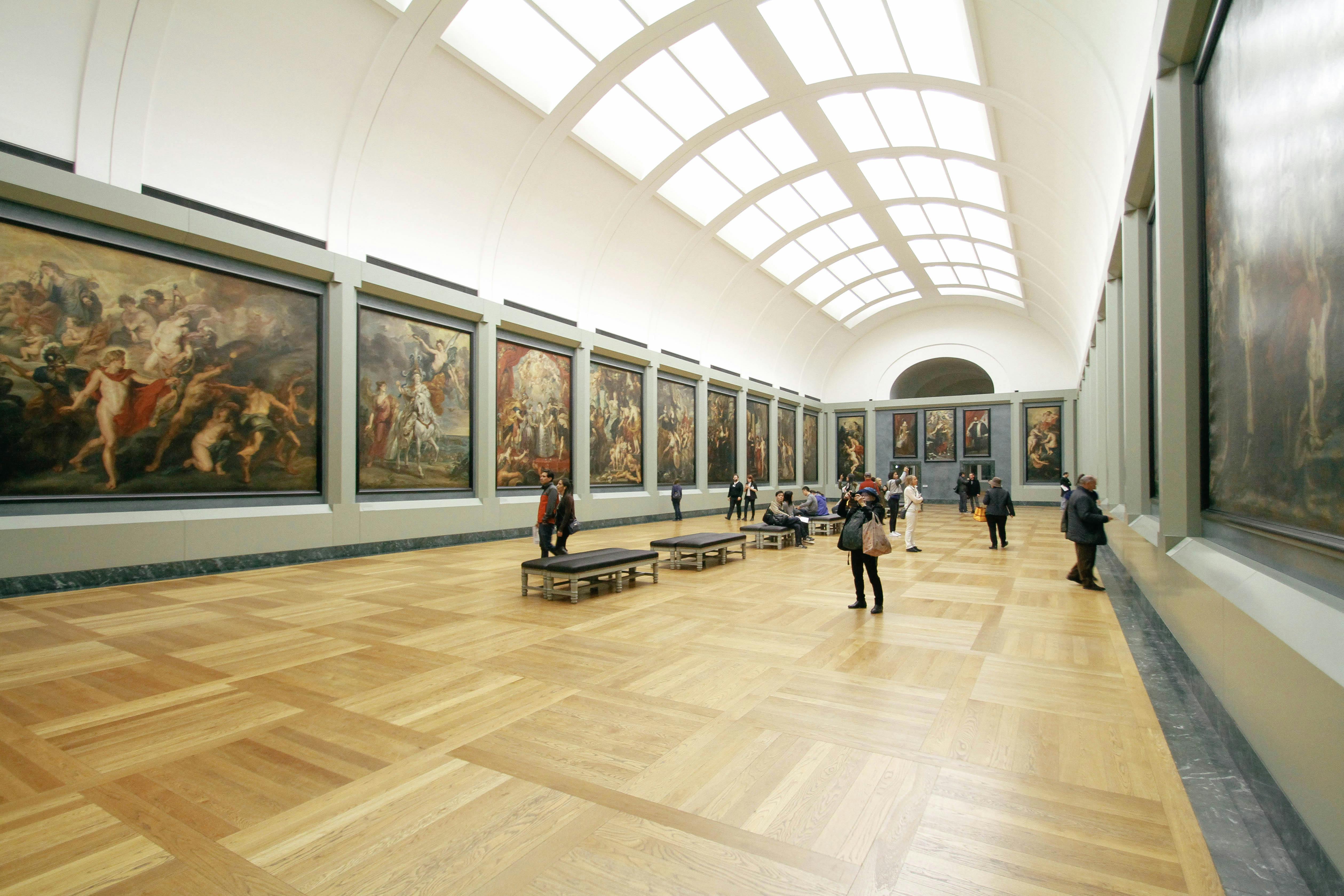

How to Start Appreciating Art (Even If You “Don’t Get It”)
Inspiration
·5 min read

How to Start Appreciating Art (Even If You “Don’t Get It”)

Art can be confusing, especially modern pieces, but understanding isn’t exclusive to experts. Personal experience and gut reactions are valid. Observing closely and asking questions enhances appreciation. Patience and curiosity allow deeper connections. Building a vocabulary helps articulate thoughts. Engaging with art regularly fosters understanding, emphasizing emotions over strict interpretations.

What Makes Art “Good”? Understanding Taste, Skill, and Meaning
Art
·5 min read

What Makes Art “Good”? Understanding Taste, Skill, and Meaning

Art evaluation involves understanding skill, meaning, and personal taste. Skill reflects an artist's technique and execution, while meaning encompasses the narrative and emotions expressed. Taste is influenced by personal experiences and culture. Good art emerges when skill meets intention, prompting deeper appreciation and connection beyond surface-level judgments.

Modern Art versus Contemporary Art: What sets them apart?
Art
·8 min read

Modern Art versus Contemporary Art: What sets them apart?

Modern Art (1860-1970) was shaped by societal upheaval, emphasizing experimentation and personal expression, often breaking with traditional forms. Conversely, Contemporary Art (1970-present) focuses on current issues and diverse mediums, prioritizing concepts over aesthetics. Understanding these distinctions enhances art appreciation, revealing broader themes in artistic evolution across time.

Popular Art Styles and How To Recognize Them
Technique
·7 min read

Popular Art Styles and How To Recognize Them

Recognizing artwork begins by identifying familiar patterns and styles through visual clues, such as color, line, and shape. This process fosters confidence and understanding. The piece emphasizes observation over memorization, guiding viewers through various art movements like Realism, Impressionism, and others, encouraging deeper engagement with art’s essence beyond labels.

The Essential Art Toolkit: Mastering Visual Elements
Technique
·11 min read

The Essential Art Toolkit: Mastering Visual Elements

The post explains that misunderstanding art often stems from uncertainty about how to engage with it. It introduces key art elements-line, shape, form, color, value, texture, and space-that artists use intentionally. By examining these elements, viewers can deepen their appreciation and understanding of art, transforming their perspective on visual experiences.

How to Look at Art for Beginners: Understanding Any Artwork
Technique
·6 min read

How to Look at Art for Beginners: Understanding Any Artwork

Art appreciation involves a personal, slow engagement rather than quick judgments. By taking time to observe, describe visual elements, and feel emotional responses, individuals can uncover deeper meanings. Context enhances understanding but isn’t essential. The key is to keep looking, notice details, and allow interpretations to remain open-ended.