Technique

7 articles

How to Critique Art Without Sounding Pretentious
Technique·5 min read

How to Critique Art Without Sounding Pretentious

Engaging with art can feel daunting, yet everyone can share thoughts without expertise. Observing details, using descriptive language, and framing feedback as personal experiences are essential. Curiosity fosters discussion, and balancing one’s observations helps clarity. Regular practice improves confidence and expression, making art more accessible and meaningful to all.

How Art Communicates Emotion Without Words
Technique·8 min read

How Art Communicates Emotion Without Words

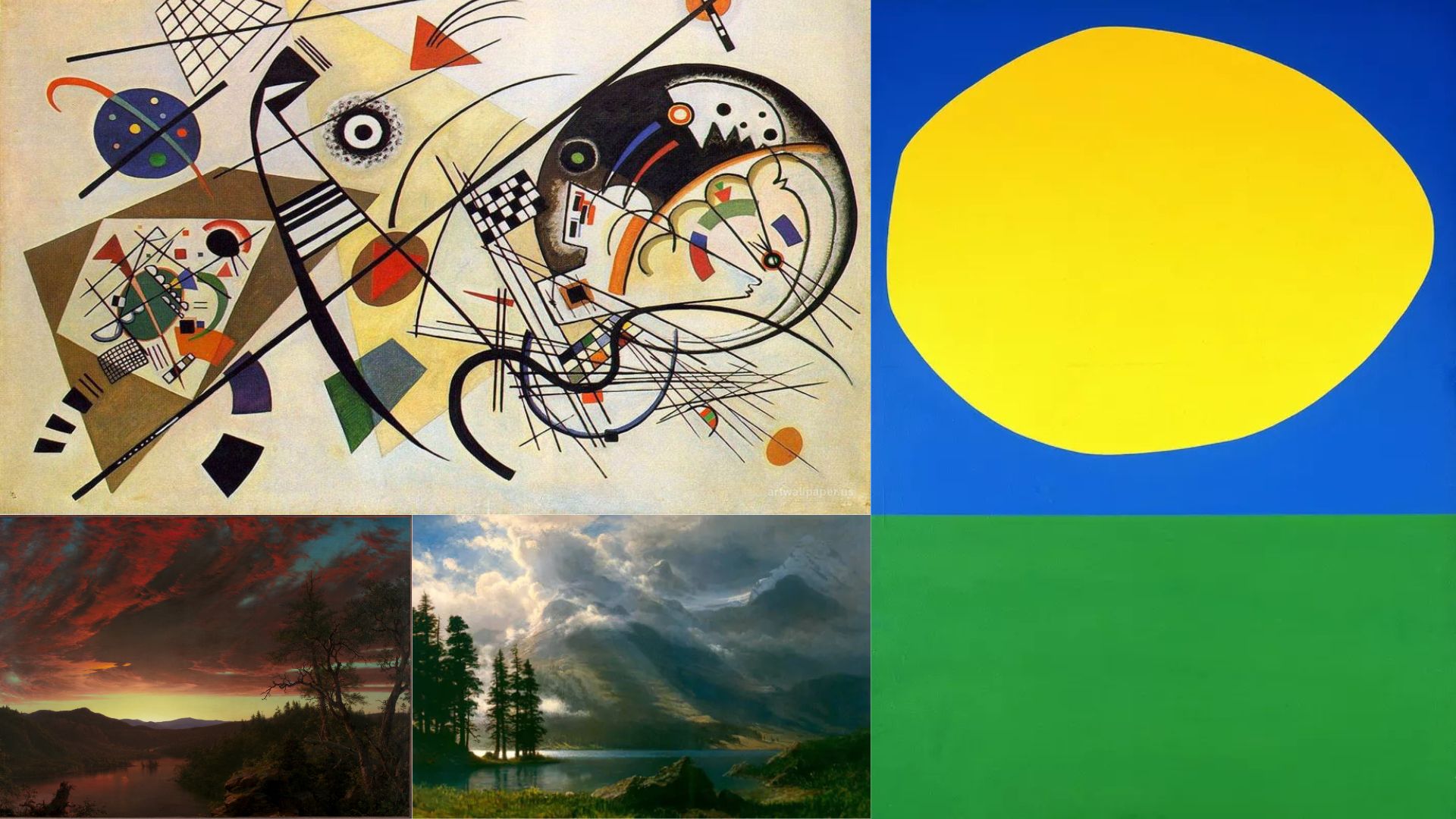
Art evokes emotions through colors, lines, shapes, and composition, conveying meaning without words. Warm colors inspire energy, while cool tones suggest calmness. Textures and contrasts influence feelings, and size alters perceptions. Engaging with art involves intuitive responses, allowing personal interpretations to emerge and revealing the silent exchanges between viewer and artwork.

Inside the Artist’s Mind: How the Creative Process Really Works
Technique·6 min read

Inside the Artist’s Mind: How the Creative Process Really Works

Creating art involves choices, practice, and the willingness to make mistakes. Artists often ponder "what if?" to explore ideas, leading to original works. Observing closely reveals details others might miss, and creativity flourishes through trial and error. Artistic thinking can enhance everyday life, promoting curiosity and attention to detail.

Popular Art Styles and How To Recognize Them
Technique·7 min read

Popular Art Styles and How To Recognize Them

Recognizing artwork begins by identifying familiar patterns and styles through visual clues, such as color, line, and shape. This process fosters confidence and understanding. The piece emphasizes observation over memorization, guiding viewers through various art movements like Realism, Impressionism, and others, encouraging deeper engagement with art’s essence beyond labels.

Mastering Art Descriptions: A 4-Step Guide
Technique·7 min read

Mastering Art Descriptions: A 4-Step Guide

The content discusses overcoming the fear of expressing thoughts about art through a structured, four-step framework. It emphasizes observing details, reflecting on feelings, and allowing interpretations to develop naturally. By focusing on clarity and simplicity, anyone can become confident in discussing art, transforming initial hesitation into meaningful expression.

The Essential Art Toolkit: Mastering Visual Elements
Technique·11 min read

The Essential Art Toolkit: Mastering Visual Elements

The post explains that misunderstanding art often stems from uncertainty about how to engage with it. It introduces key art elements-line, shape, form, color, value, texture, and space-that artists use intentionally. By examining these elements, viewers can deepen their appreciation and understanding of art, transforming their perspective on visual experiences.

How to Look at Art for Beginners: Understanding Any Artwork
Technique·6 min read

How to Look at Art for Beginners: Understanding Any Artwork

Art appreciation involves a personal, slow engagement rather than quick judgments. By taking time to observe, describe visual elements, and feel emotional responses, individuals can uncover deeper meanings. Context enhances understanding but isn’t essential. The key is to keep looking, notice details, and allow interpretations to remain open-ended.