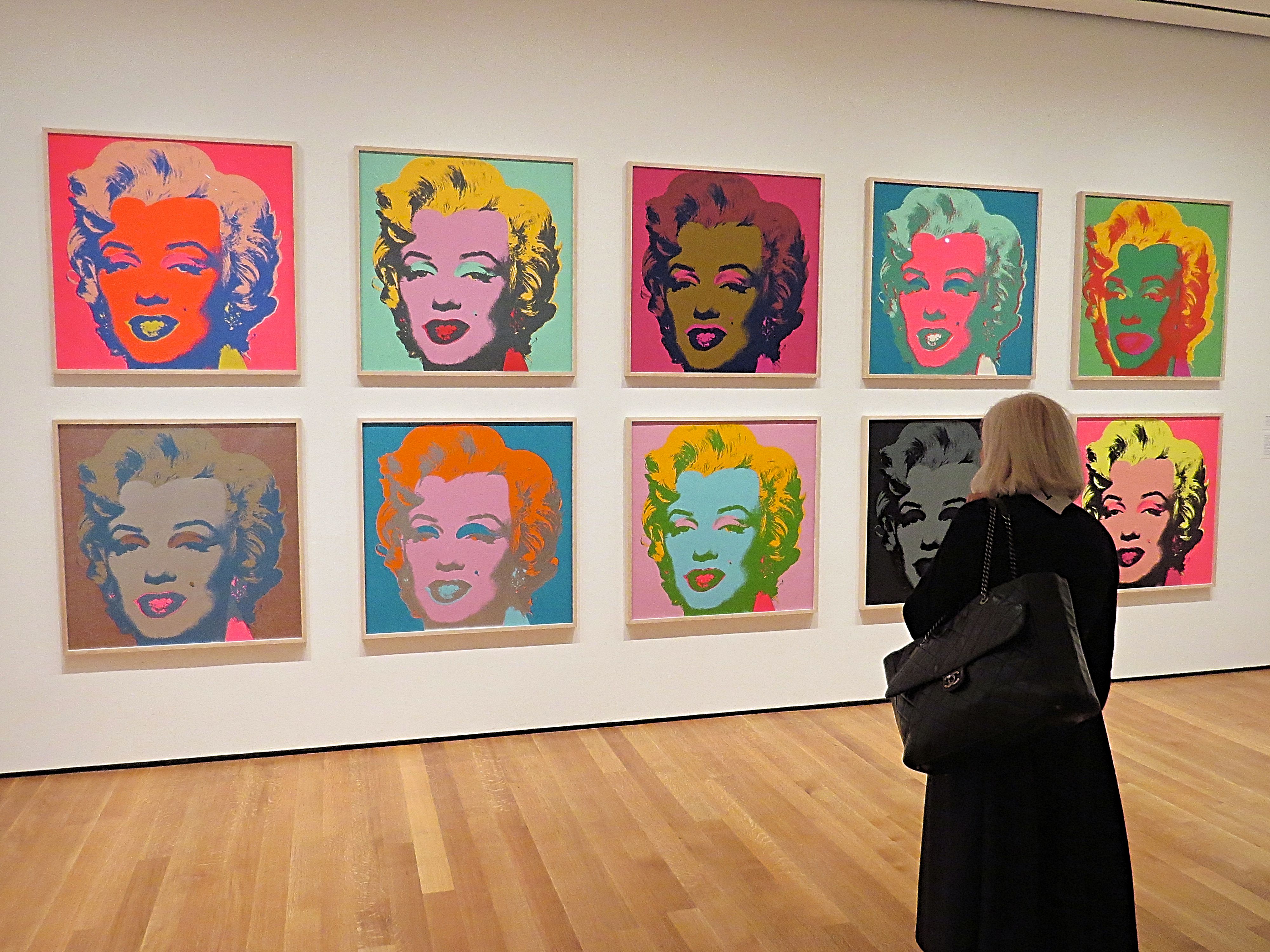
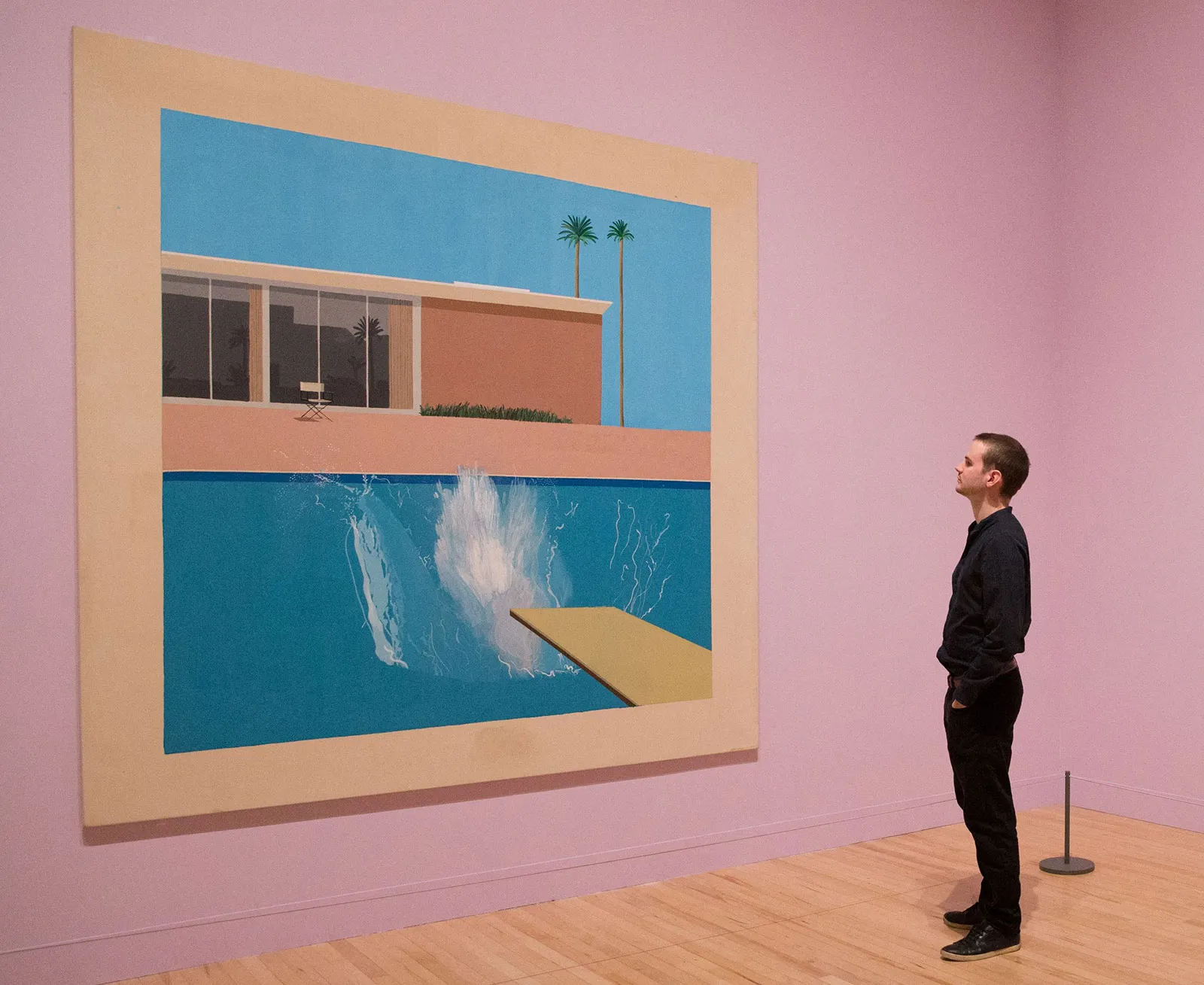
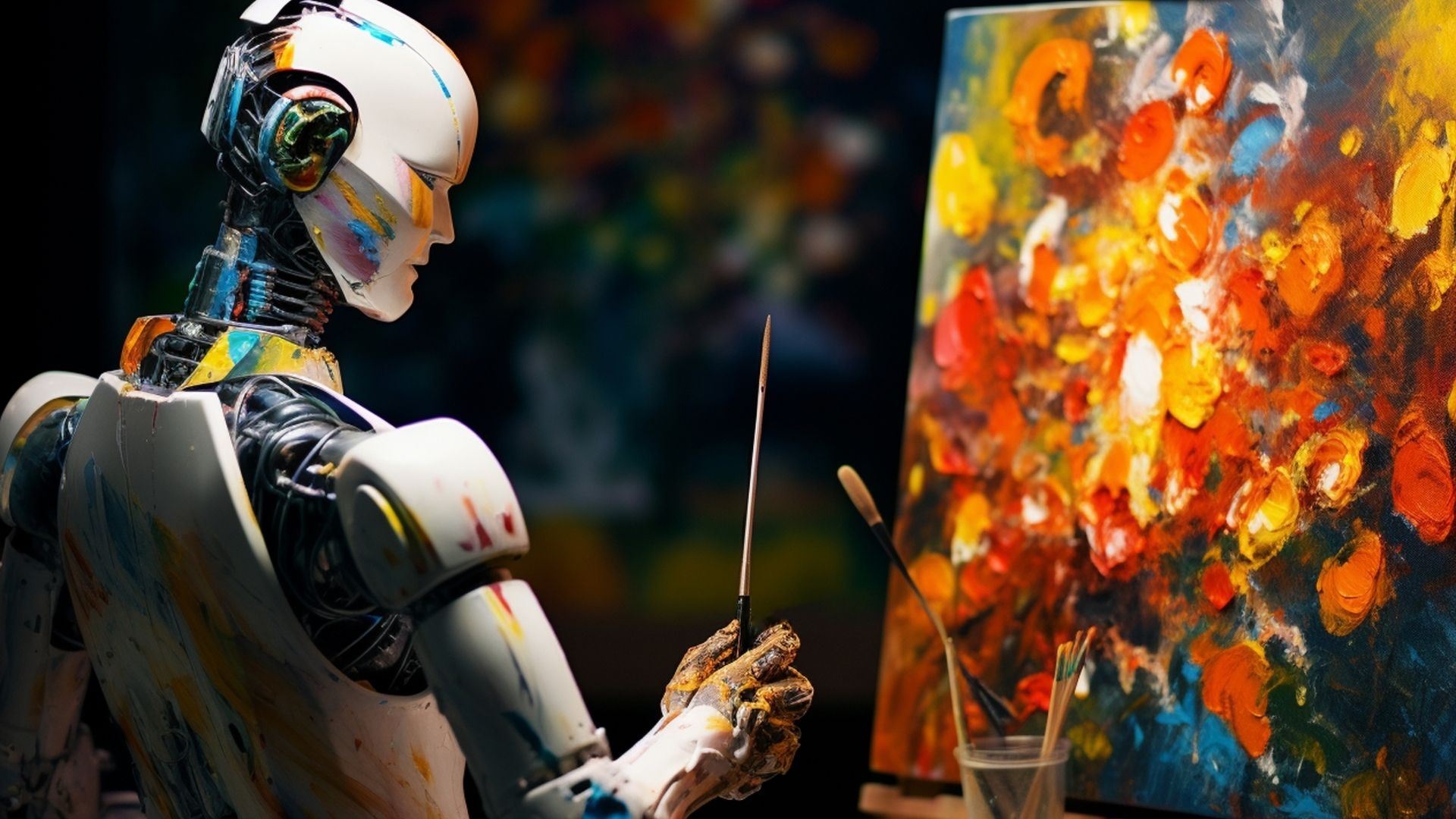
Picture a world where pixels paint dreams—digital art now shapes how we see creativity. Not just tech meets vision, but a shift in how stories take form. Imagine brushes that never touch canvas, yet color still flows wild. Some pieces live on screens, others wrap around rooms you walk into. Even ownership gets rewritten, thanks to new ways of tracking value online. This isn’t replacing old methods—it’s building beside them, louder, faster, different. What counts as art? The question keeps changing.

A split-screen image: Traditional Painting vs. Digital Art
Picture this: a journey through pixels and paint. This guide digs into digital art—what it means, where it came from. Think early experiments meeting modern screens. Methods shift fast—some rely on code, others mimic brushstrokes. Software evolves, hardware follows close behind. Names like Hockney and Lichtenstein pop up, though newer creators push boundaries further. Movements form online, spread without galleries. Culture absorbs it quietly—ads, games, memes. It shapes how we see creativity now. Not just niche—it’s everywhere.
Understanding Digital Art?
What makes something digital art? It's any artwork shaped by tech—either made with tools like computers or shown through them. Think pieces built inside software, drawn on screens, or experiences you walk into at a gallery. Some change as they run, guided by code that shifts their form slowly. These works might live online, in headsets, or as moving visuals on walls.
What matters most? Digital art goes beyond software such as Photoshop or tools like tablets—it's shaped by how tech blends into making and finishing the work. Not every piece stays on screen; some show up printed, projected, or even hung on walls. Yet others live only where pixels thrive.
Fueled by its flexibility, digital art stands apart—where vision meets code in quiet collaboration.
A Brief History of Digital Art
Far earlier than most assume, digital art started taking shape. Back in the 1960s, creative minds teamed up with tech pioneers—curiosity driving both. Machines weren’t just tools; they became part of the process. What emerged was unexpected: images born from code and vision.
Early Beginnings
A screen drawing tool came into being during the sixties, built around programs such as Sketchpad. Artists found new ways to create using light pens connected to early computers. Digital pictures began here, shaped by hands guiding glowing lines across glass.
Back then, some creators just wouldn’t settle—each new piece stretched what art could be. Folks like Andy Warhol played around with early tech—take the Amiga machine—to make visuals using pixels instead of paint. Art began taking new shapes when pioneers mixed fresh tools with bold ideas. These creators shaped what others would build on later.

Andy Warhol using the Commodore Amiga in 1985
Emergence of Digital Tools
When home machines grew stronger through the 90s and early 2000s, making pictures on screens took off. Tools including Adobe Photoshop, Illustrator, programs for building shapes in three dimensions, then later touch-sensitive apps like Procreate turned into go-to choices.
Floating through galleries by the 2010s, digital creations were no longer just still pictures but lived inside moving loops, responsive spaces, even rooms you could step into. While pixels once sat quietly on screens, they now shifted with motion, sound, touch—breathing like something almost alive.
Types and Techniques in Digital Art
Far from a single idea, digital art spreads wide through countless methods, each shaped by today's creators. Styles shift unpredictably, pulled in different directions by personal vision and available tools.
Digital Painting and Drawing: Tablets become the canvas when creators open apps such as Photoshop or Procreate. Mistakes vanish with a click. Layers stack like invisible sheets, each holding separate parts without muddying the rest.
Three Dimensional (3D) Art: With software such as Blender, Maya, or Cinema 4D, creators build characters and worlds seen often in movies, games, even VR spaces.
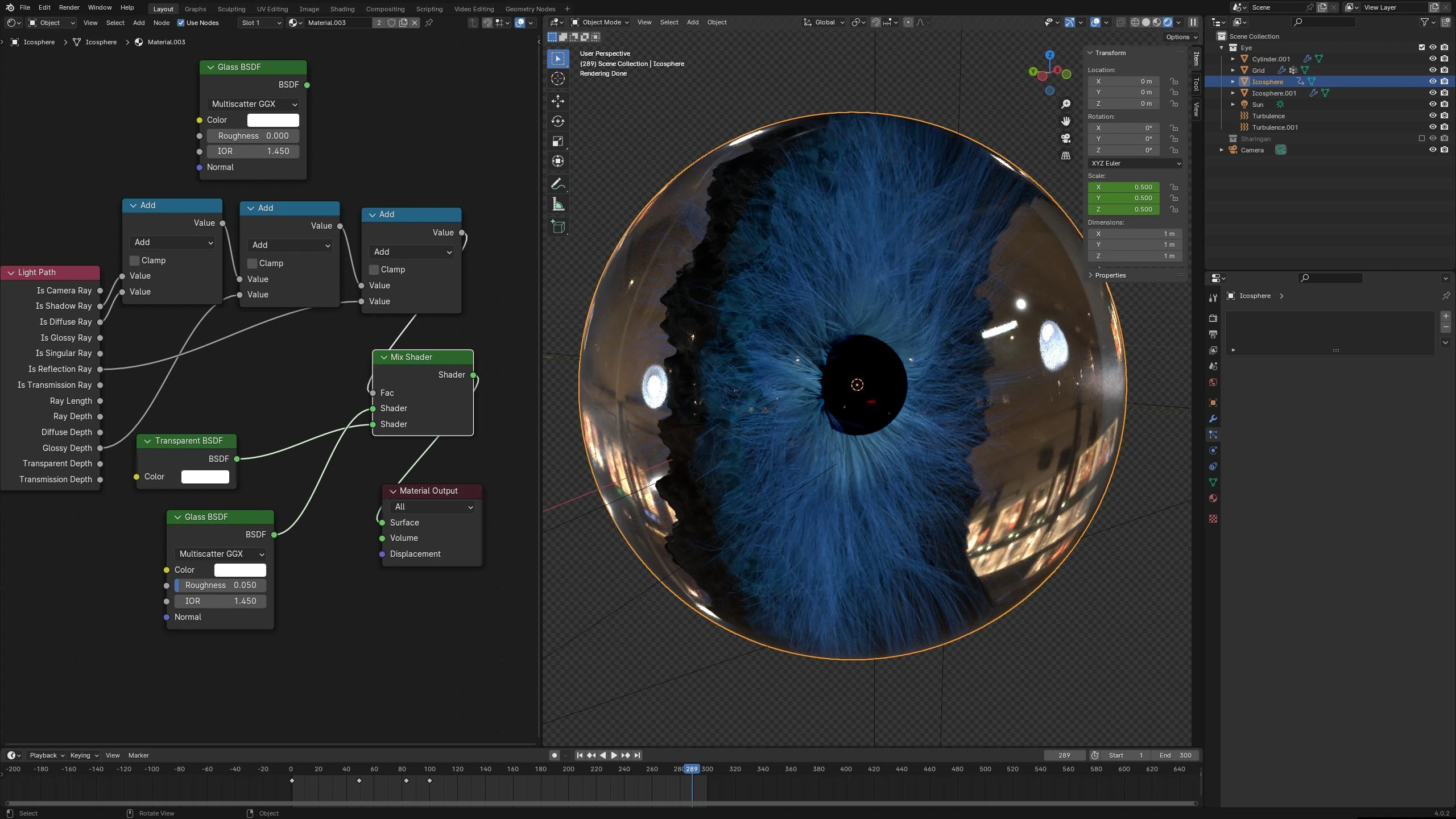
A 3D eye cornea modelled IN Blender, Image Source: Hitokage Production
Generative and Algorithmic Art: Visuals shaped by lines of code that shift over time. Not every viewing shows the same image—sometimes it alters right before your eyes.
Interactive Immersive Installations: A world unfolds when people move through it—teamLab artists shape spaces that shift with every step, touch, or glance. Light spills across walls only when someone comes near.
Collage and Photomanipulation: Pictures mix with patterns when software helps creators shape scenes anew. These layers form worlds built from pieces of what is seen plus imagined fragments.
Blockchain and NFT Art: Digital art stepped into the spotlight through NFTs—unique tokens on a blockchain that prove ownership. Beeple’s massive collage piece, Everydays, fetched millions at Christie’s, showing how artists might finally get paid differently.
Why Digital Art Matters Now
Out here, tools shaped by code let creators stretch beyond old limits. This evolution is driven by:
More Ways to Create: Visuals grow through rules, shifting over time in layers of light.
Accessibility and Democratization: Free programs open doors, letting more people test ideas without tight budgets holding them back.
Linking With Modern Life: Digital art is deeply embedded in contemporary media:
Video game art and cinematic visual effects.
Social media and online community creativity.
Virtual worlds and metaverse experiences.
Key People Shaping Digital Art
Beeple (Mike Winkelmann): His sale at Christie’s hit 69 million dollars, making NFTs impossible to ignore overnight.
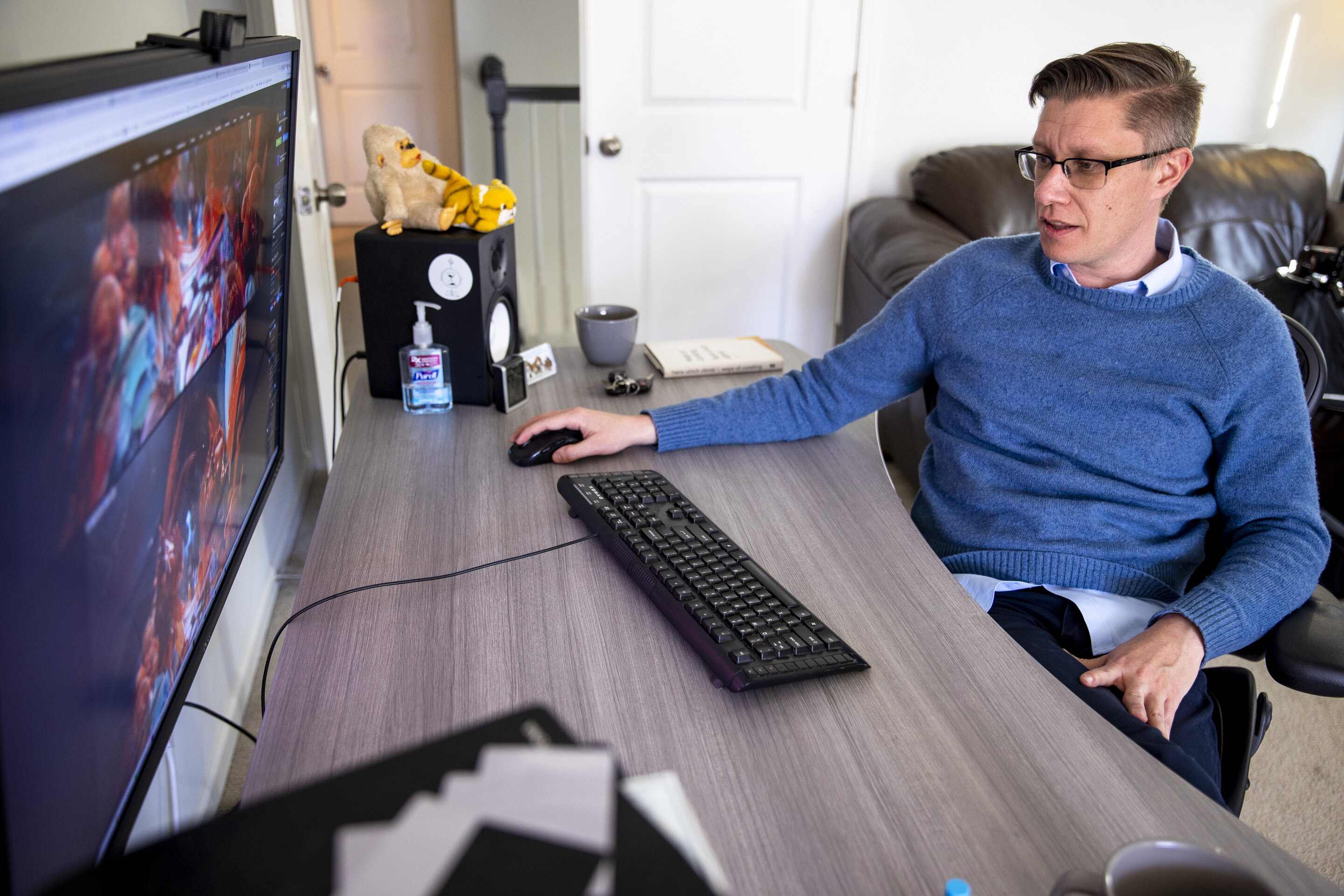
Beeple (Mike Winkelmann), in his Home Studio, Image Source: Tech Explore
Miguel Chevalier: A pioneer of virtual and digital art since the 80s. He builds spaces you step into—rooms where light and motion shape experience.
Osinachi: A Nigerian creator using word processors to shape visuals; the first African digital artist to be auctioned by Christie’s.
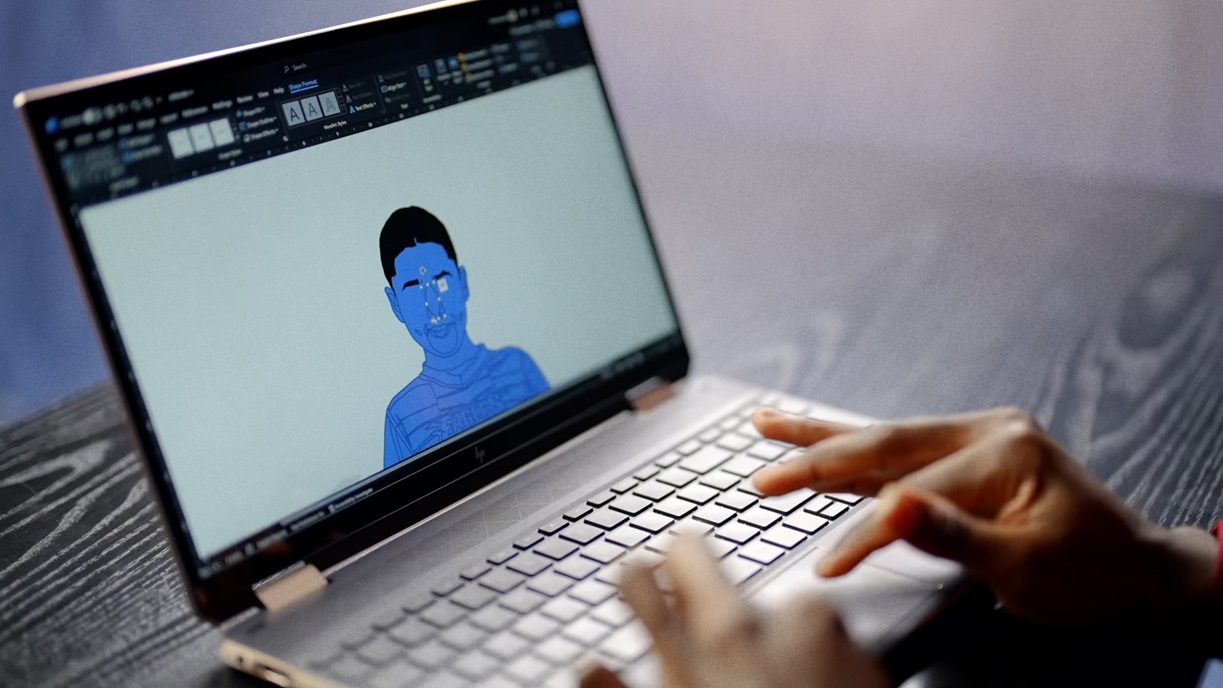
Osinachi working in Microsoft Word, image Surce: Christies
Victoria Vesna: One part scientist, one part storyteller, she builds clickable spaces and installations using data like paint.
The Debate and The Future
Even though more people are accepting it, digital art still faces doubt from those who think these creations miss "real" craftsmanship. However, making digital art means knowing how tools work and thinking creatively.
Emerging Trends:
Augmented Reality (AR) and Virtual Reality (VR) art experiences.
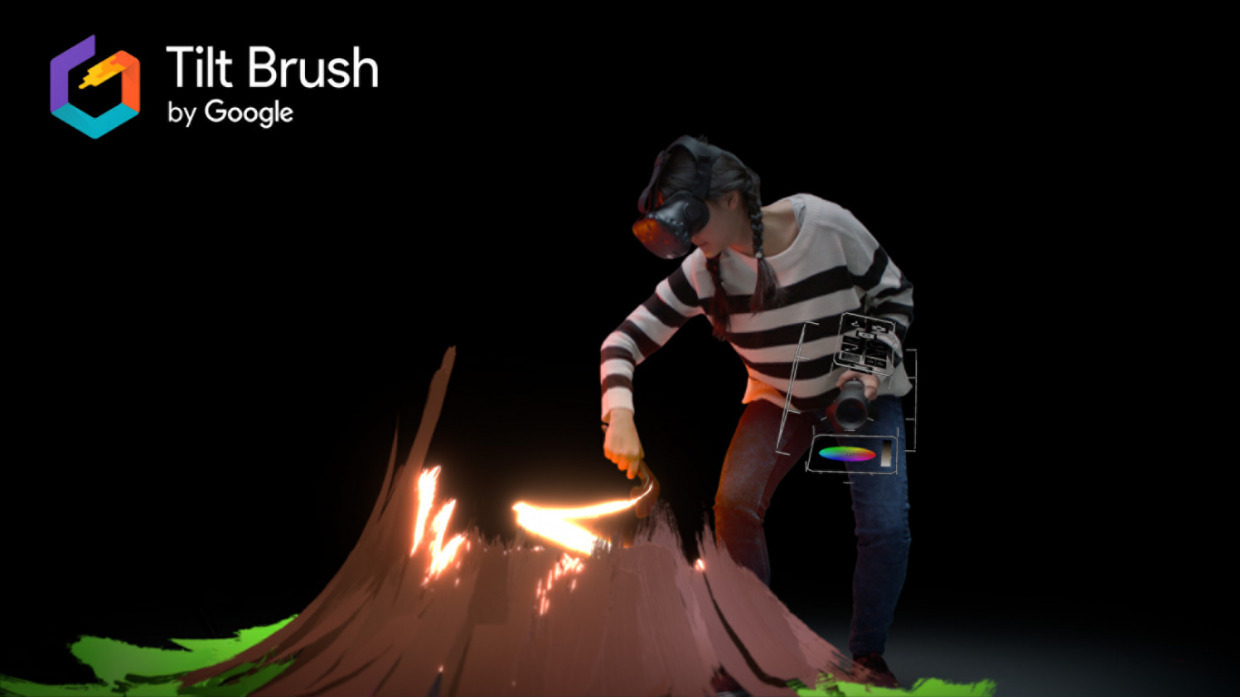
A person wearing a VR headset while painting in 3D space using the "Tilt Brush" app by Google, Image Souce: Google Open Source Blog
AI-assisted creative tools.
Interactive artworks that respond to viewer behavior.
Conclusion
Art made with computers now stands right alongside traditional forms. Using tech tools lets artists try things paint and canvas never allowed. Back when computers were just starting out in the 1960s, people began testing how they could make images using code; today, we see complex virtual experiences.
Right now, digital creations are already shaping how we see art. What used to feel futuristic is simply part of today.